Why Are Crawl Spaces Vulnerable to Pests?
It might seem counterintuitive, but your crawl space, especially if it's unsealed or vented, offers the perfect habitat for a variety of pests. It's often dark, damp, and undisturbed – precisely what many insects and rodents are looking for in a shelter. Here are some key reasons why your crawl space might be an unwitting host:
- Moisture and Humidity: This is perhaps the biggest draw. High humidity levels create a breeding ground for insects like cockroaches, termites, and silverfish. The moisture can also lead to mold and mildew growth, which, while not a direct pest, can attract certain insects and also contribute to wood rot, weakening your home's structure.
- Easy Access Points: Vents, cracks, and unsealed entry points provide open invitations for pests to enter your home. Rodents like mice and rats can squeeze through surprisingly small openings, while insects can find their way in through almost any gap.
- Shelter from Elements and Predators: The crawl space offers a protected environment, shielding pests from harsh weather conditions and natural predators. It's a safe haven where they can breed and multiply without significant threats.
- Food Sources: While not always obvious, pests can find food in a crawl space. This might include decaying organic matter, wood, or even stored items that have fallen or been left behind. Termites, in particular, are drawn to wood and moisture.
- Consistent Temperatures: Crawl spaces tend to maintain more stable temperatures than the outdoors, making them appealing during extreme heat or cold. This consistency allows pests to thrive year-round.
Understanding these attractants is the first step in addressing the issue and creating a less hospitable environment for pests beneath your home.
The Problem with Vented Crawl Spaces
Many older homes in Greenville, Anderson, and Cornelia have vented crawl spaces. The idea behind these vents was to promote airflow and reduce moisture. However, in our humid climate, these vents often do more harm than good. They allow humid outdoor air to enter, condense, and actually increase moisture levels, creating the very conditions that pests love.
Furthermore, they are essentially open doors for pests, making it easy for them to come and go as they please. While well-intentioned, this design often backfires in practice, contributing to both pest problems and potential structural issues within your home.
The Solution: Crawl Space Encapsulation
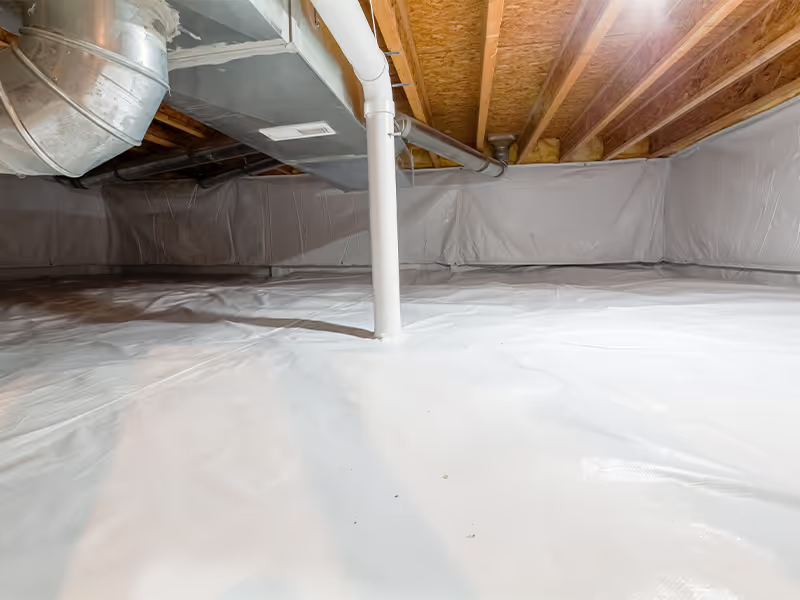
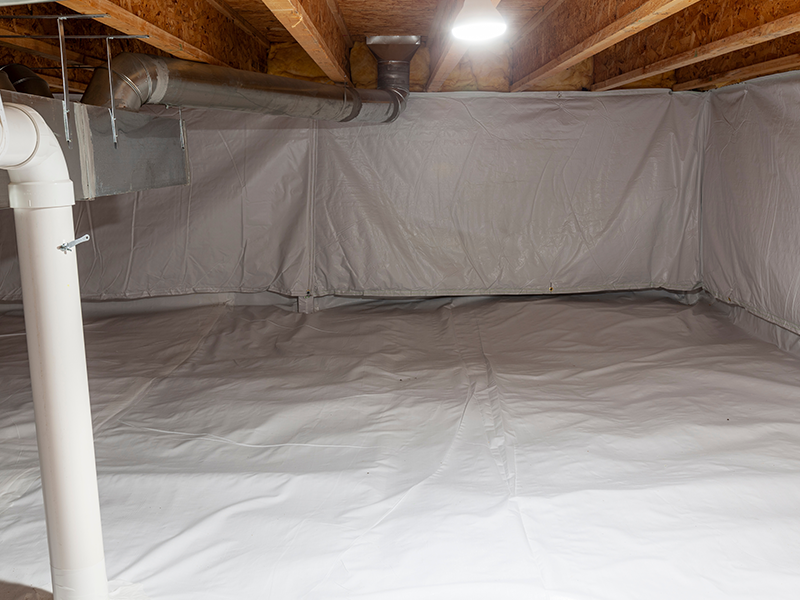
Crawl space encapsulation is a highly effective method for transforming your crawl space from a pest haven into a protected, dry environment. This process involves several key steps that work together to create a sealed and insulated space. Here's how crawl space encapsulation makes a difference:
- Vapor Barrier Installation: A heavy-duty, reinforced polyethylene liner is installed across the entire crawl space floor and up the walls. This barrier effectively blocks ground moisture from entering the space.
- Sealing Vents and Openings: All existing crawl space vents are sealed, preventing outside air and pests from entering. Any other gaps or openings are also carefully sealed.
- Dehumidification: A specialized crawl space dehumidifier is often installed to actively remove any remaining moisture from the air, maintaining optimal humidity levels.
- Insulation: Insulation can be added to the crawl space walls or ceiling, further regulating temperature and reducing energy costs for your home.
- Pest Exclusion: By sealing off entry points and creating an unfavorable environment, encapsulation significantly reduces the likelihood of pest infestations.
By creating a dry, sealed, and controlled environment, crawl space encapsulation addresses the root causes of pest attraction, making your home a less appealing target for unwelcome visitors. It’s a long-term solution that offers multiple benefits beyond just pest control.
Beyond Pest Control: Additional Benefits of Encapsulation
While pest control is a primary motivation for many homeowners considering crawl space encapsulation, the benefits extend much further. This investment in your home's foundation can significantly improve various aspects of your living environment. Consider these additional advantages:
- Improved Indoor Air Quality: A damp crawl space can contribute to mold, mildew, and musty odors that can permeate your home's living areas. Encapsulation helps to mitigate these issues, leading to cleaner, healthier air inside your home.
- Enhanced Energy Efficiency: By sealing and insulating your crawl space, you can prevent heat loss in the winter and heat gain in the summer. This can lead to a more stable indoor temperature and potentially lower your energy bills.
- Structural Protection: Excessive moisture in a crawl space can lead to wood rot, weakening floor joists and other structural components of your home. Encapsulation protects these elements from moisture damage, preserving your home's integrity.
- Reduced Odors: Musty odors from a damp crawl space can be unpleasant and persistent. Encapsulation eliminates the source of these odors, making your home smell fresher.
- Increased Storage Space: A dry, clean crawl space can potentially be used for storage, freeing up space elsewhere in your home.
Encapsulation is not just about keeping pests out; it's about creating a healthier, more energy-efficient, and structurally sound home for you and your family in the Upstate South Carolina and North Georgia areas.
Take Control of Your Crawl Space Today
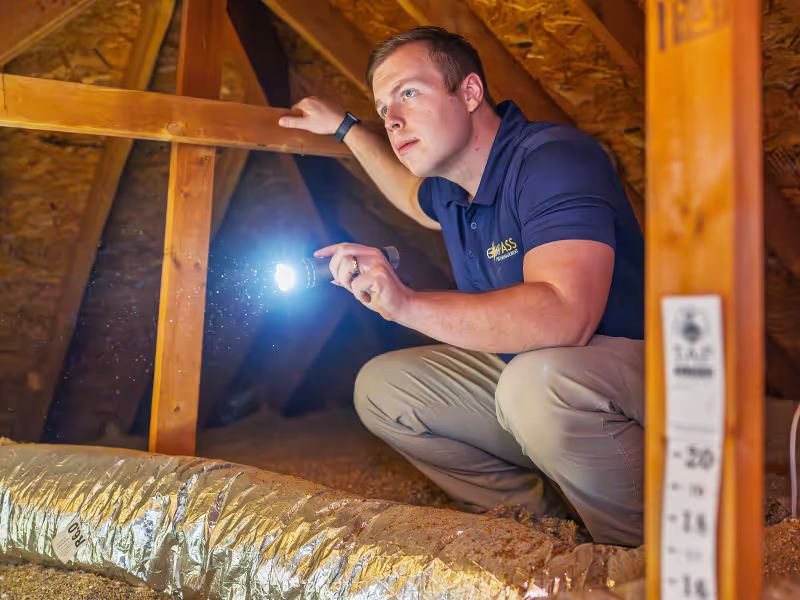
A properly sealed and maintained crawl space can dramatically reduce pest problems and moisture damage in your home. Don’t wait for pests to cause issues that may cost you more to fix. Reach out to Compass Pest Management for a professional evaluation and effective solutions. Our team is ready to help you protect your home.
Contact us through our online contact form or call (864) 633-2025 to schedule your crawl space inspection or pest control service.