Mosquitoes are one of the most common warm-weather pests homeowners face in Upstate South Carolina and Northeast Georgia. While their bites are usually just irritating, heavy mosquito activity can quickly make patios, decks, and backyards uncomfortable during spring and summer.
Unlike structural pests, mosquitoes don’t damage your home — but they do rely on standing water around your property to reproduce. Because they develop quickly in warm conditions, mosquito populations can increase rapidly after rain, irrigation, or humid weather.
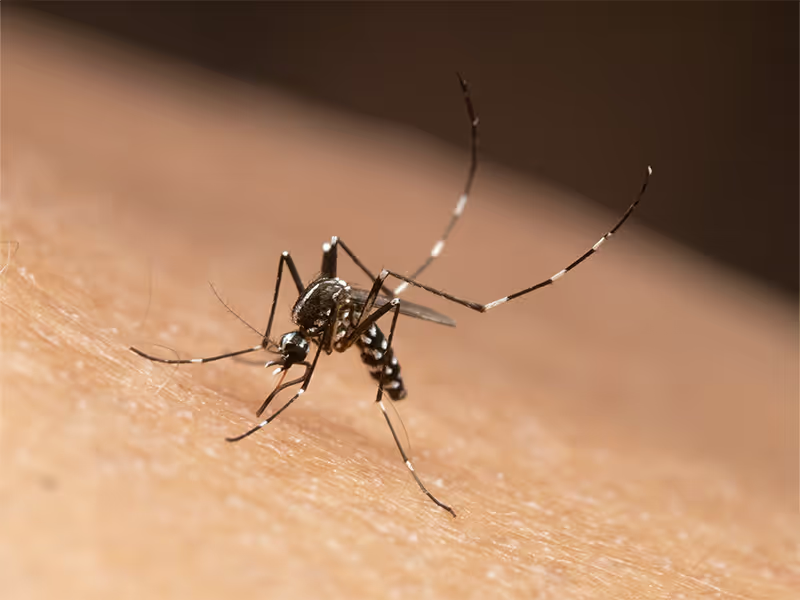
Several mosquito species are common throughout Upstate South Carolina and Northeast Georgia, and their appearance can vary slightly by species. The most frequently encountered include the Asian tiger mosquito (Aedes albopictus), which is black with distinctive white striping and active during the day; the Southern house mosquito (Culex quinquefasciatus), which is light brown and most active at dawn and dusk; and various floodwater mosquitoes (Aedes species) that emerge quickly after heavy rainfall. While coloration and activity patterns may differ, most mosquitoes share similar physical characteristics.
Quick ID
Mosquito larvae are found in standing water and move with a distinctive wriggling motion near the surface.
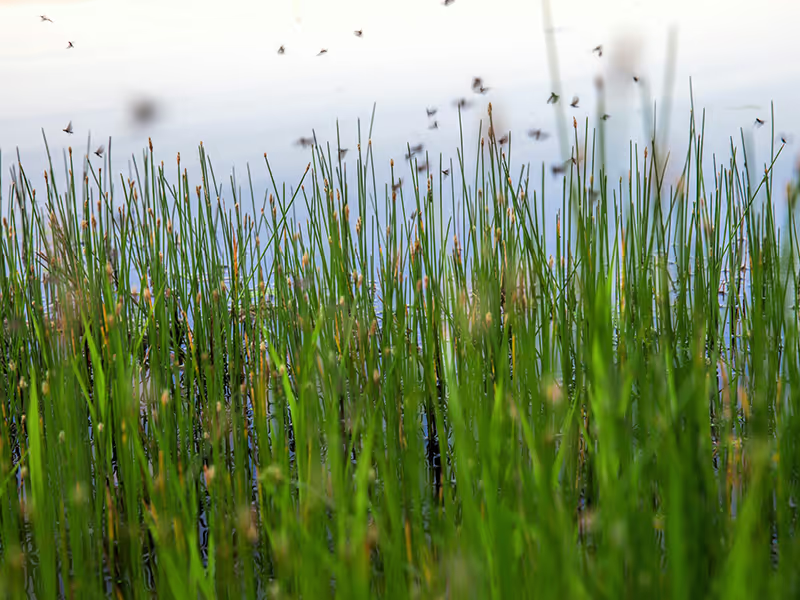
Mosquitoes rely on standing water to complete their life cycle.
In warm conditions, mosquitoes can complete this cycle in as little as 7–10 days.
Adult mosquitoes typically rest during the day in shaded, humid areas and become more active when temperatures cool.
Mosquitoes need standing water to reproduce. Even small amounts can support breeding.
Common areas around homes include:
Adult mosquitoes often rest in:
Mosquitoes are drawn to:
Homes near wooded areas, ponds, creeks, or poor drainage typically experience heavier mosquito pressure.
Most mosquito bites cause itchy welts that resolve on their own. However, mosquitoes in Upstate South Carolina and Northeast Georgia are known carriers of certain diseases, including West Nile virus, Eastern Equine Encephalitis (EEE), and La Crosse encephalitis. While cases are relatively uncommon, transmission is possible during peak mosquito season.
Mosquitoes also spread heartworm to dogs, which is a significant concern for pet owners in our region.
Reducing mosquito populations around your home helps protect both comfort and health throughout the warmer months.
Mosquitoes fly from breeding areas and can travel from neighboring properties. They may enter homes through open doors, torn screens, or small gaps, but they typically remain outdoors near shaded resting areas.
Homeowners can take steps to reduce mosquito pressure by:
Store-bought sprays and foggers often provide only short-term relief because breeding sites remain untreated and mosquitoes can quickly return from surrounding areas.
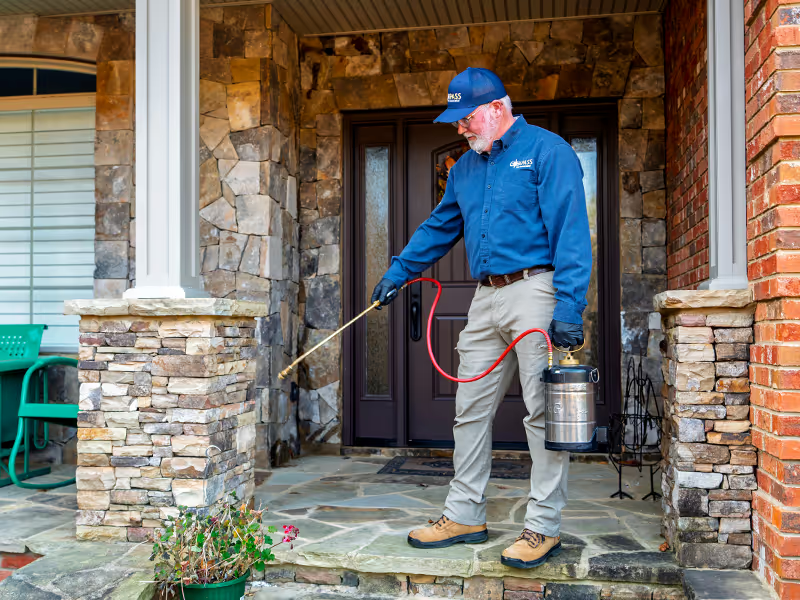
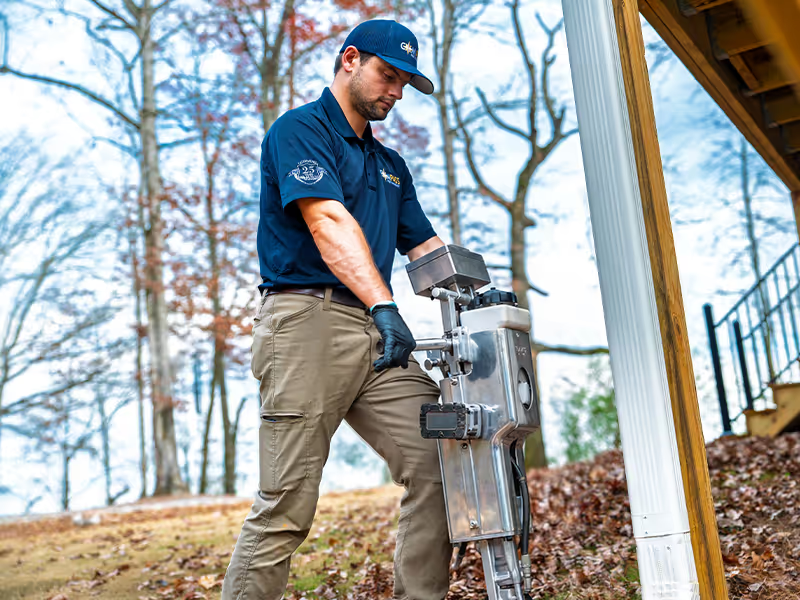
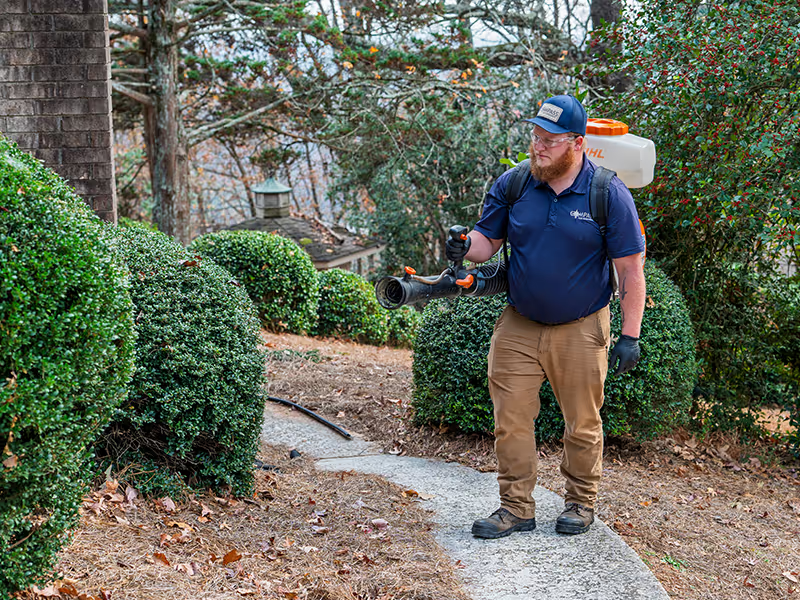
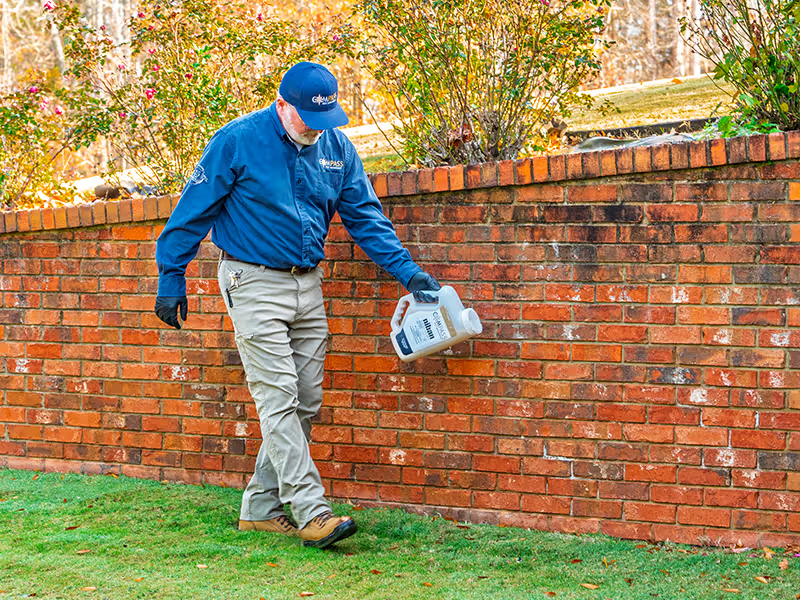
Professional mosquito treatments target both adult mosquitoes and breeding areas for more consistent control.
Mosquito control works best when started early in the season. Because mosquitoes reproduce quickly and can travel from neighboring properties, eliminating visible adults is rarely enough. Effective mosquito control requires targeting both breeding areas and adult resting sites throughout the yard.
Compass Pest Management provides seasonal mosquito control services throughout Upstate South Carolina and Northeast Georgia. From April through October, our monthly treatments drastically reduce active mosquito populations so you can enjoy your outdoor spaces with fewer interruptions.
If mosquitoes are taking over your yard, contact Compass Pest Management for season-long protection from these biting pests!

Dale G has offered his expertise on a number of matters for our home: pest control, moisture control, moisture remediation, and insulation. I always leave the conversation feeling much more knowledgeable and having options. Dale makes us excited to contract Compass.
Anthony R.
Greenville, SC

Professional and friendly service! We are new to the area and happy we selected Compass for our pest control needs.
April Z.
Anderson, SC

I’ve been using Compass for over 5 years now for pest control and mosquito control and they do a great job. They are on time and always very professional. They are very accommodating if I ever needed anything else done like an ant problem in my kitchen.
Penny F.
Cornelia, GA



Helpful Tips & Info