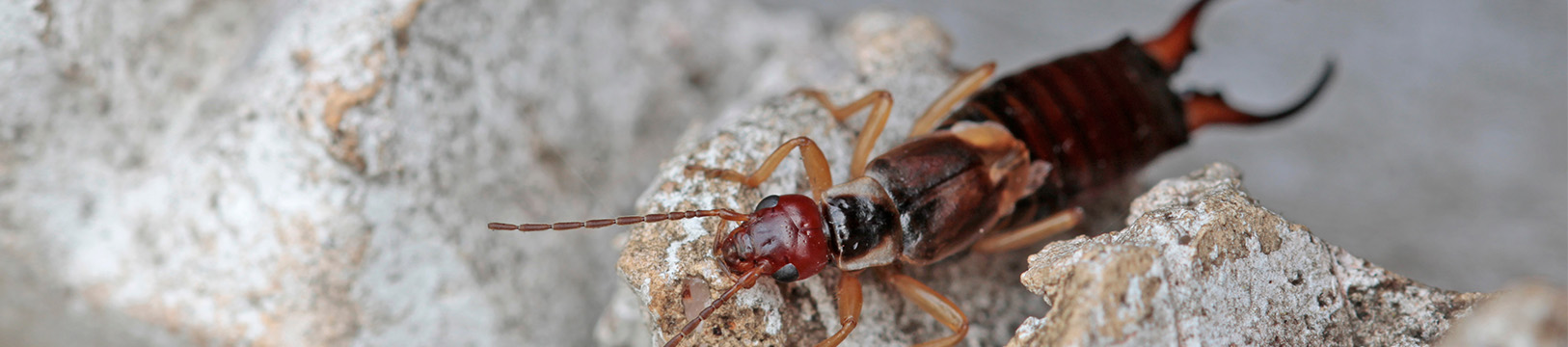
Earwigs are moisture-loving pests that often appear around homes in South Carolina and Georgia, particularly during spring and summer. They are not dangerous, but their pincers and sudden indoor appearances can make them a frustrating nuisance for homeowners.
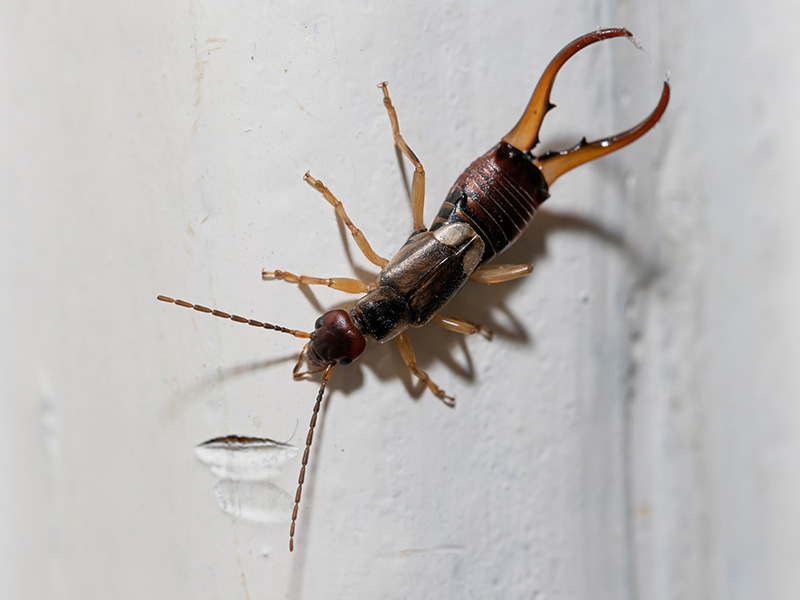
Earwig activity usually increases in spring as temperatures warm and young earwigs begin developing. Populations are highest in summer, when warm nights and damp hiding spots encourage greater movement around foundations, mulch beds, patios, and crawl spaces. Indoor sightings often increase after heavy rain, overwatering, or stretches of hot, dry weather that push earwigs closer to cooler, damper areas around the home.
Quick ID
Around homes in Upstate South Carolina and Northeast Georgia, earwigs are often found in damp, shaded areas such as pine straw, mulch beds, landscape stones, potted plants, retaining walls, firewood, garages, sheds, and storage areas near ground level.
Indoors, earwigs head for the dampest areas they can find: bathrooms, laundry rooms, under kitchen sinks, and basements or crawl spaces.
Most earwig problems are noticed through direct sightings rather than subtle clues:
Earwigs are not dangerous. They don't transmit diseases, they don't infest food, and they don't cause structural damage. The pincers can deliver a light pinch if an earwig is picked up or pressed against the skin, but they are not venomous and usually do not break the skin.
The main issue with earwigs is the nuisance factor. Finding them indoors—especially in large numbers—is unpleasant, and they can damage garden plants and ornamental flowers. For homeowners with vegetable gardens or landscaping they've invested in, earwig feeding can be frustrating.
Earwigs aren't specifically looking for your home—they're looking for moisture. Several features common to properties across the region create ideal conditions:
When daytime temperatures spike or outdoor hiding spots dry out, earwigs often move toward damp areas near the foundation. From there, small gaps under doors, around crawl space vents, or near utility lines can give them a way inside.
Here are a few ways to make your home less attractive to earwigs:
Even with those steps, earwigs can still find their way inside through tiny gaps around foundations, doors, crawl space vents, and utility penetrations. Professional pest control is the best way to treat active earwig problems and help prevent new infestations from developing.
Earwigs are drawn to moisture, so bathrooms can be attractive when they find a way inside. Repeated bathroom sightings may point to outdoor activity near the foundation, crawl space openings, plumbing penetrations, or gaps around exterior doors.
Earwigs are nocturnal. They spend the day hidden in tight, dark spaces and come out after sunset to feed. If you're seeing them during the day, you've either disturbed a hiding spot or the population is large enough that some are being pushed into less ideal areas.
Rarely. Earwig females typically lay eggs in small burrows in soil during late winter or early spring. Indoor egg-laying would require consistently moist, undisturbed soil-like conditions—something most homes don't provide. Earwigs found indoors are almost always wanderers from outdoor populations.
They can. Earwigs feed on soft plant tissue, flower petals, and tender seedlings. Damage typically looks like irregular holes and ragged edges on leaves and petals. Established plants usually handle it fine, but young seedlings and ornamental flowers can take noticeable damage.
If you’re finding earwigs in or around your home, contact Compass Pest Management.
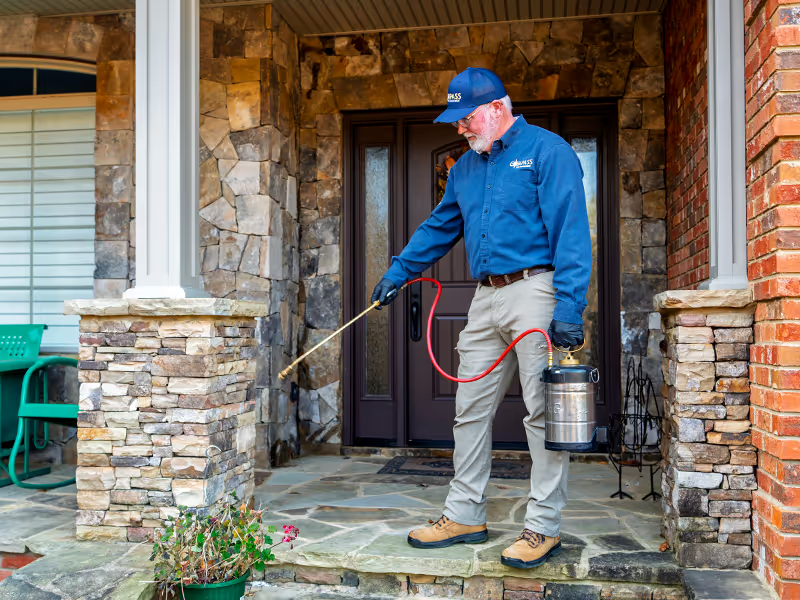
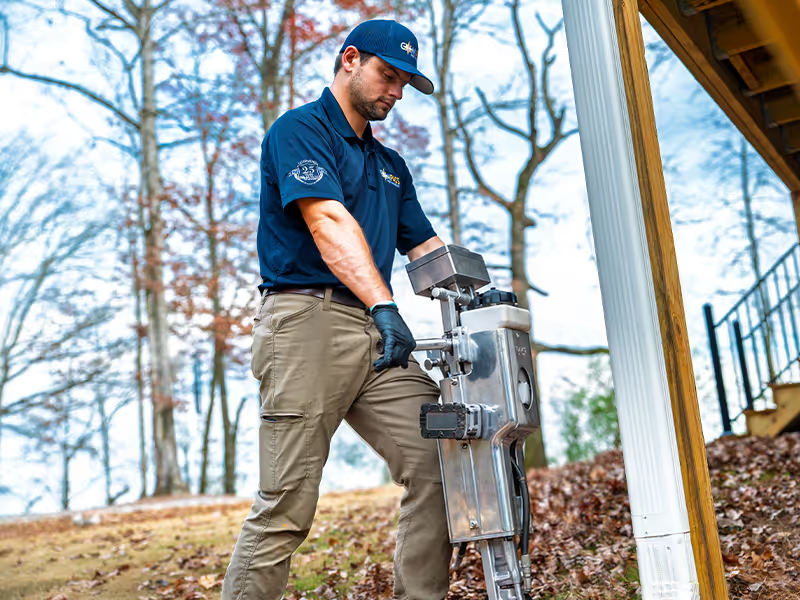
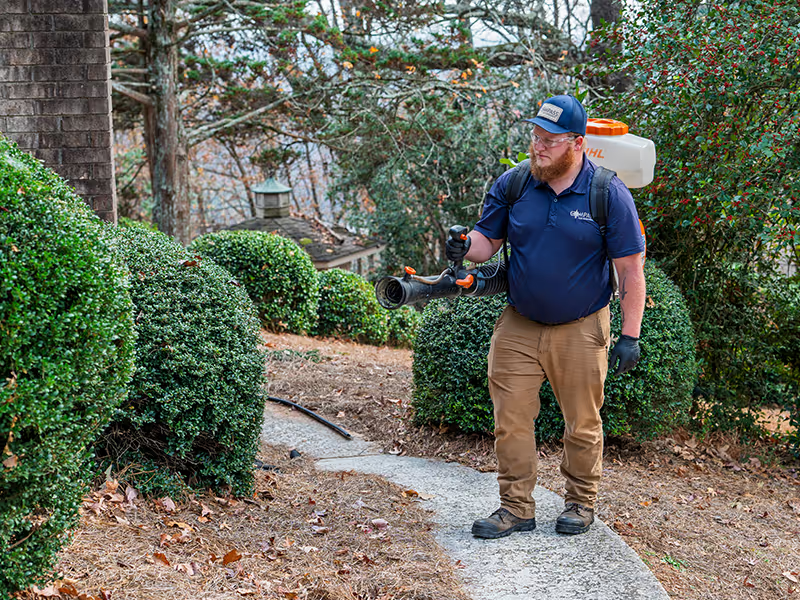
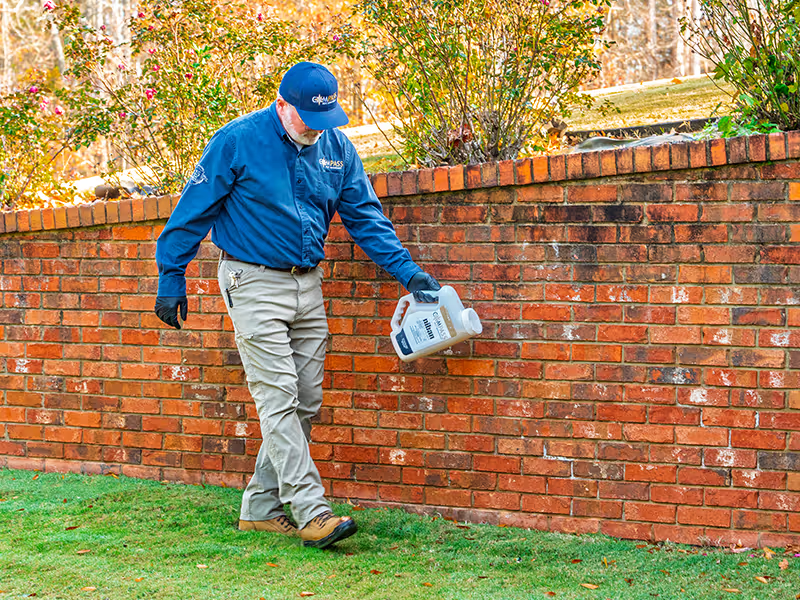
Our local, family-owned pest control company provides earwig treatment and ongoing residential pest control for homes throughout Upstate South Carolina and Northeast Georgia. Our technicians inspect areas where earwigs and other pests hide and enter, treat active pest problems, and provide ongoing service to help reduce future infestations around the home.
Earwigs are covered under our home pest control plans, which include year-round, guaranteed pest control service.
Request your free quote today or call to schedule an inspection.

Dale G has offered his expertise on a number of matters for our home: pest control, moisture control, moisture remediation, and insulation. I always leave the conversation feeling much more knowledgeable and having options. Dale makes us excited to contract Compass.
Anthony R.
Greenville, SC

Professional and friendly service! We are new to the area and happy we selected Compass for our pest control needs.
April Z.
Anderson, SC

I’ve been using Compass for over 5 years now for pest control and mosquito control and they do a great job. They are on time and always very professional. They are very accommodating if I ever needed anything else done like an ant problem in my kitchen.
Penny F.
Cornelia, GA



Helpful Tips & Info