
Why Little Black Ants Show Up
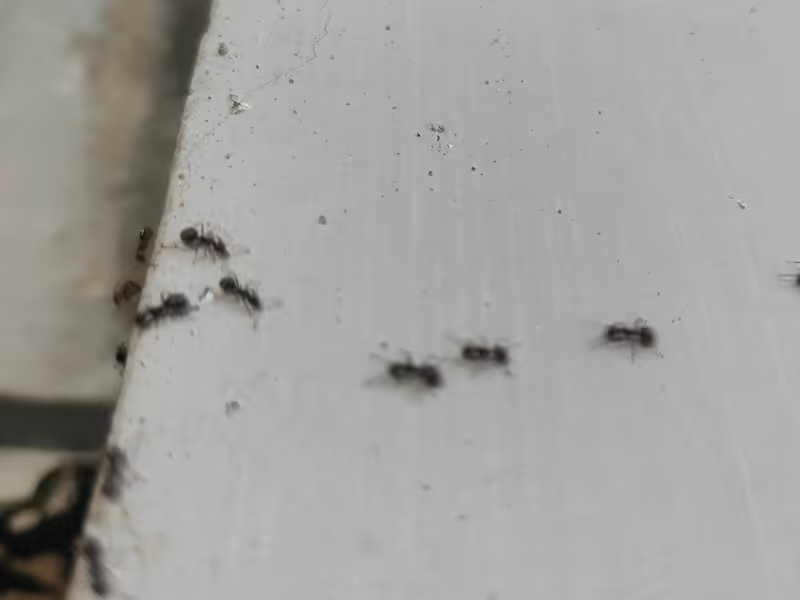
Little black ants are always searching for food. Once one finds something, it leaves a scent trail behind. The rest of the colony follows that trail right into your home.
We see this all the time—what starts as a few ants on the counter can turn into a steady trail within a day or two once they lock onto a food source.
They’re usually after crumbs on counters or floors, sweet spills like juice or soda, pantry items that aren’t sealed, pet food left out, and trash that isn’t tightly closed. It doesn’t take much. Even a small spill can turn into a steady stream of ants.
How They’re Getting Inside
Most homes already have everything ants need to get in—you just don’t see it. They slip through small cracks in the foundation, gaps around doors and windows, and tiny openings where utility lines enter the home. Even minor gaps in siding or trim can be enough.
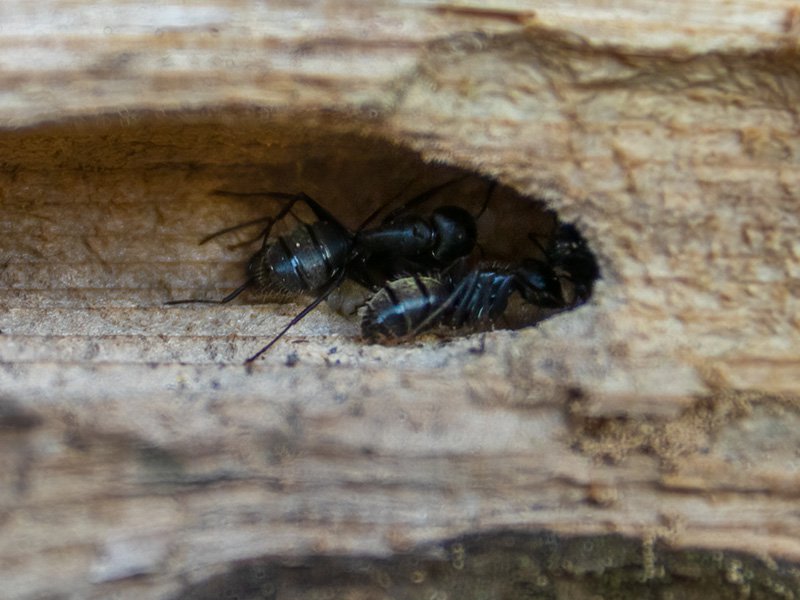
Once inside, ants tend to follow edges like baseboards, pipes, and walls as they search for food. If conditions are right, they may even settle in and nest inside wall voids or near areas with moisture.
Why DIY Fixes Don’t Hold Up
Most homeowners try sprays or store-bought bait first. It makes sense. The problem is, those options rarely solve the full issue.
Sprays kill the ants you see, not the colony. Repellents can push ants into new areas of the home. Many baits don’t fully eliminate the queen. So things seem better for a few days, then the ants are right back.
To actually fix the problem, you have to eliminate the colony and stop new ants from getting in.
What Helps Keep Little Black Ants Away (and What Doesn’t)
Keeping a clean home absolutely helps reduce activity. Wiping down counters, storing food in sealed containers, taking trash out regularly, and cleaning up spills right away all make your home less attractive to ants. Trimming back vegetation touching the house can help as well.
But if ants are already inside, cleaning alone won’t solve it. It helps reduce the draw, but it doesn’t remove the source of the problem.
How Compass Pest Management Gets Rid of Little Black Ants
At Compass Pest Management, we understand the frustration of dealing with little black ants. That’s why we offer year-round residential pest control to eliminate them and keep them out.
Our technicians find where they’re coming from, eliminate the colony, and stop new ants from getting back inside.
Start With a Thorough Inspection
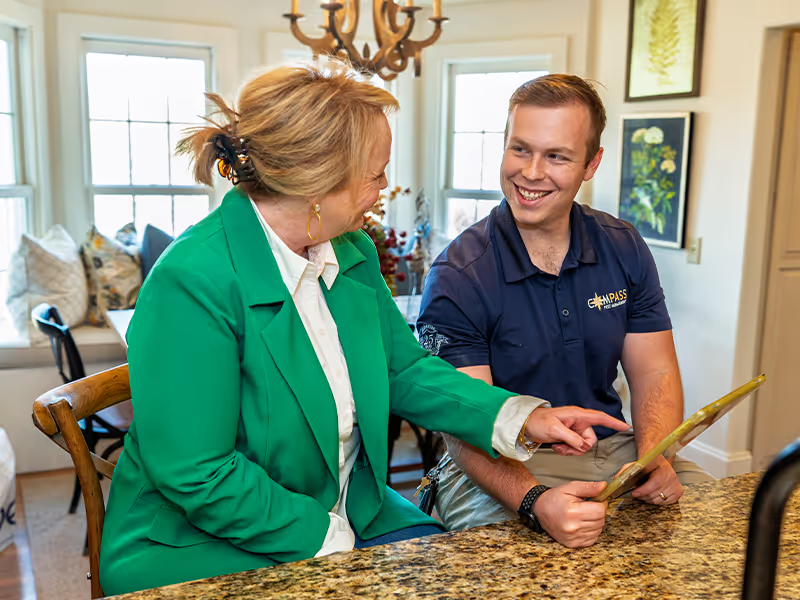
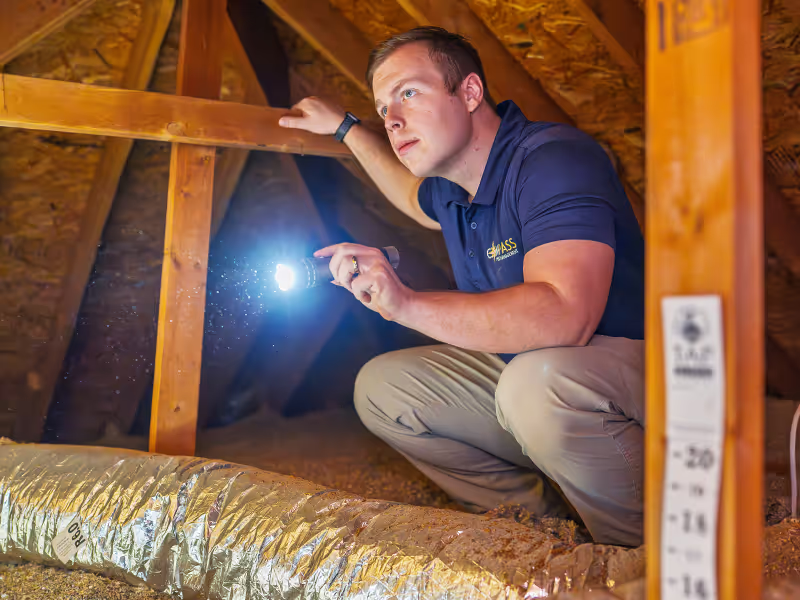
We take a close look at your home—inside and out—to find entry points, activity areas, and what’s attracting the ants. From there, we’ll walk you through what we found and what needs to be done—so you know exactly what to expect before we get started.
Target the Colony
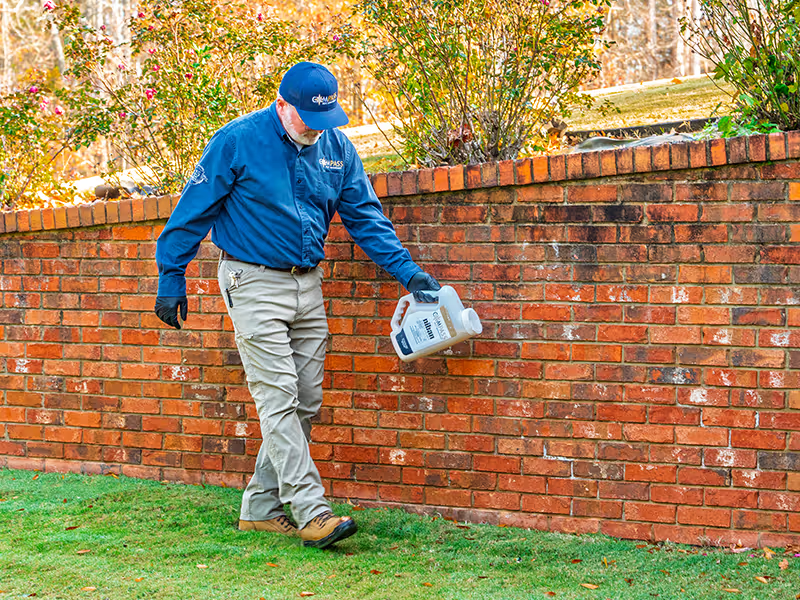
Our treatments are designed to eliminate the source of the problem, not just the visible trail.
Build a Protective Barrier
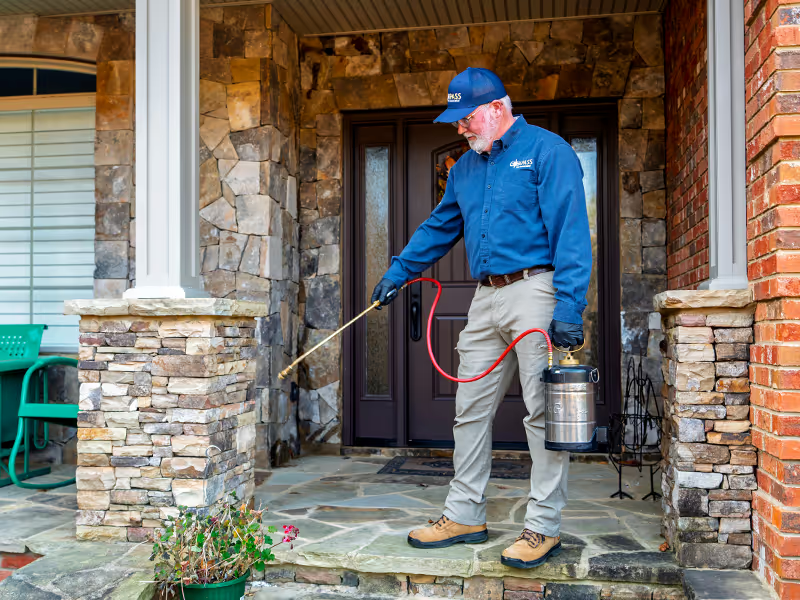
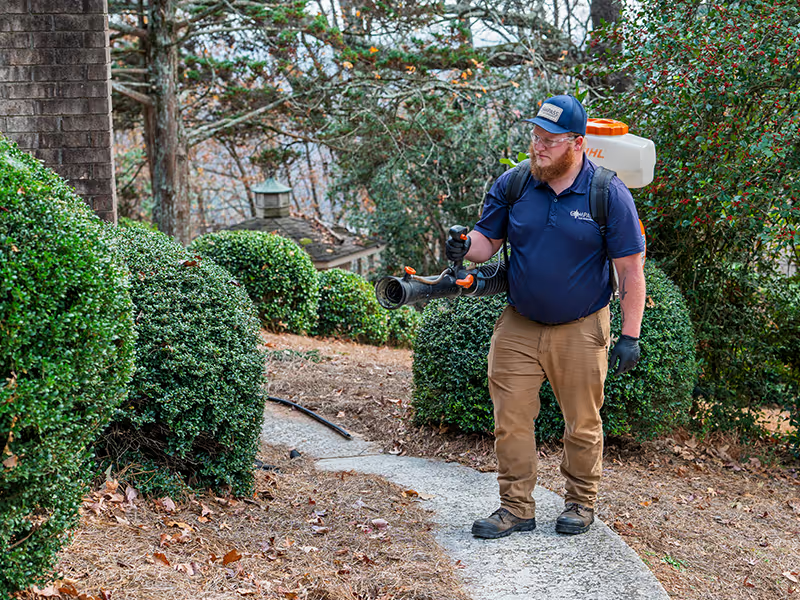
We treat around your home to help stop ants before they make it inside.
Ongoing Pest Treatments
With routine service, we maintain a protective barrier around your home so ants don’t have a chance to come back.
Simple, Reliable Protection for Your Home
Little black ants are covered under all of Compass Pest Management’s residential plans, so you’re not paying extra every time they show up.
Homeowners across Upstate South Carolina and Northeast Georgia trust Compass because we keep things simple and consistent. We’re a local, family-owned company that’s been serving the area since 1995, and we’ve protected more than 10,000 homes. With branches in Greenville, SC, and Cornelia, GA, help is always close by—and in many cases, same-day service is available.
Every plan is built around prevention, routine service, and quick response if something shows up. And with a 100% satisfaction guarantee, you’re not left dealing with pest problems on your own.
Little Black Ant FAQ
Are little black ants the same as sugar ants?
Sometimes. “Sugar ants” is a common nickname people use for several small ants that are attracted to sweets. In our region, it often refers to little black ants or odorous house ants, which are both common around homes.
Why do I suddenly have ants in my kitchen?
Ants are constantly searching for food. Once one finds a source, it leaves a scent trail that others follow. That’s why they seem to appear all at once.
Do little black ants live inside walls?
They can. While many colonies start outside, little black ants may nest in wall voids, behind baseboards, or near moisture if conditions are right.
Will ants go away on their own?
Not usually. If they’ve found a steady food source, they’ll keep coming back, and the colony will continue to grow.
Seeing Ants in Your Home? We Can Help
Little black ants don’t go away on their own. And the longer they’re inside, the more established the colony becomes.
If you’re seeing ants in your kitchen, pantry, or bathroom, it’s time to take care of the problem.
Don’t let ants take over your home—call Compass Pest Management today, or fill out our contact form to get started, and we’ll be in touch shortly.
Originally published July 18, 2024, as “Conquer the Tiny Invaders: Defending Your Home Against Little Black Ants.” Updated to reflect current information and improved guidance.
if(window.strchfSettings === undefined) window.strchfSettings = {};
window.strchfSettings.stats = {url: "https://compass-pest-management.storychief.io/little-black-ants-in-kitchen?id=576758410&type=26",title: "Little Black Ants in Your Kitchen? Here’s What’s Really Going On",siteId: "23661",id: ""};
(function(d, s, id) {
var js, sjs = d.getElementsByTagName(s)[0];
if (d.getElementById(id)) {window.strchf.update(); return;}
js = d.createElement(s); js.id = id;
js.src = "https://d37oebn0w9ir6a.cloudfront.net/scripts/v0/strchf.js";
js.async = true;
sjs.parentNode.insertBefore(js, sjs);
}(document, 'script', 'storychief-jssdk'))