What a Termite Inspection Is (and What It Isn’t)
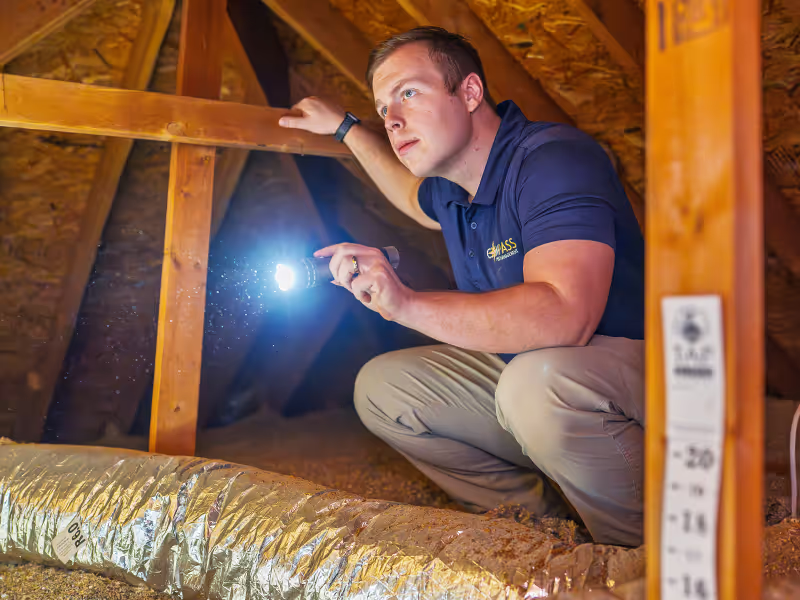
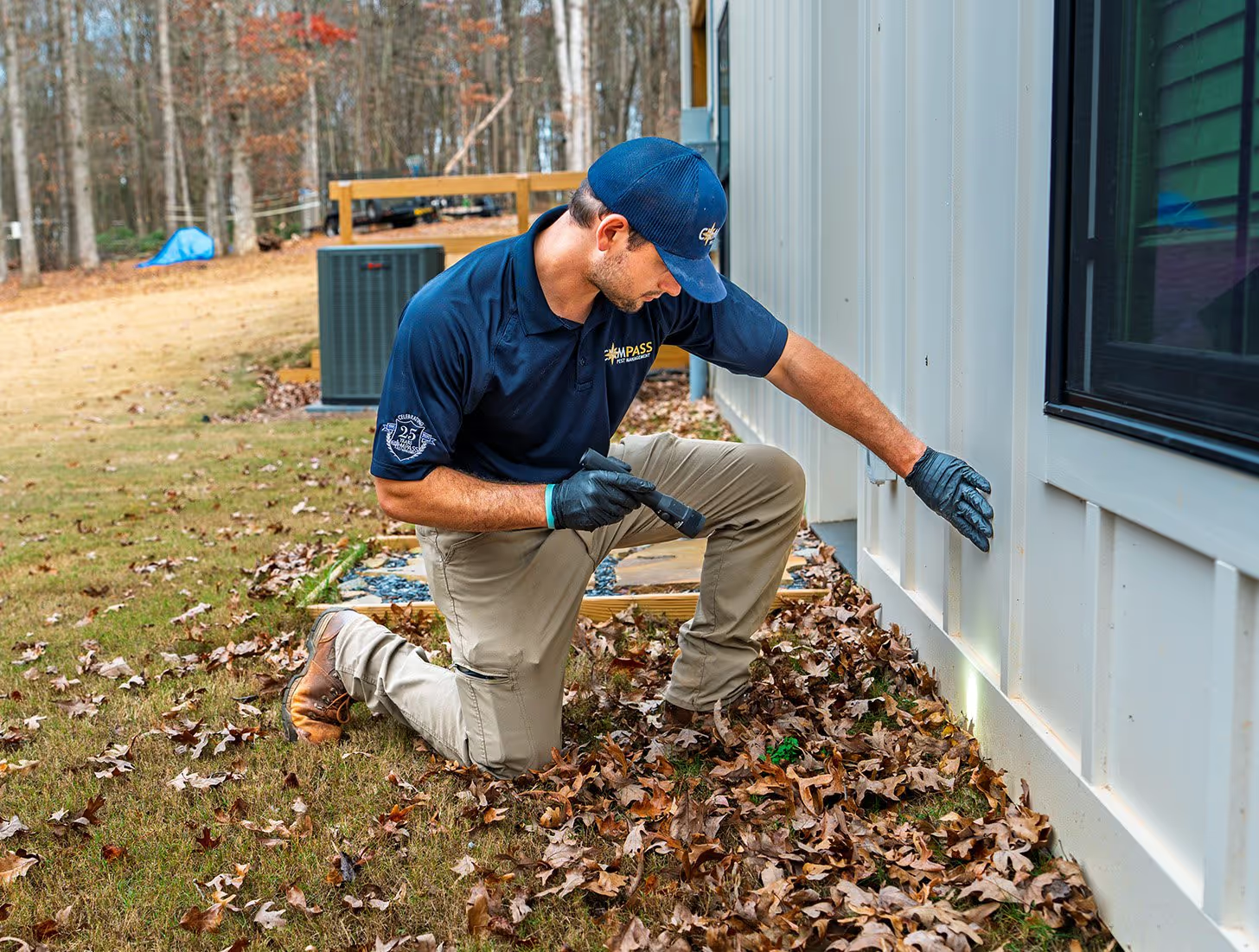
A termite inspection is a systematic, trained search for:
- Evidence of active termites
- Evidence of previous termite activity or damage
- Conditions that make termites more likely (especially moisture and wood-to-soil contact)
What it isn’t:
- It’s not a “scan” through walls.
- It’s not a permanent guarantee that termites can’t be present somewhere hidden.
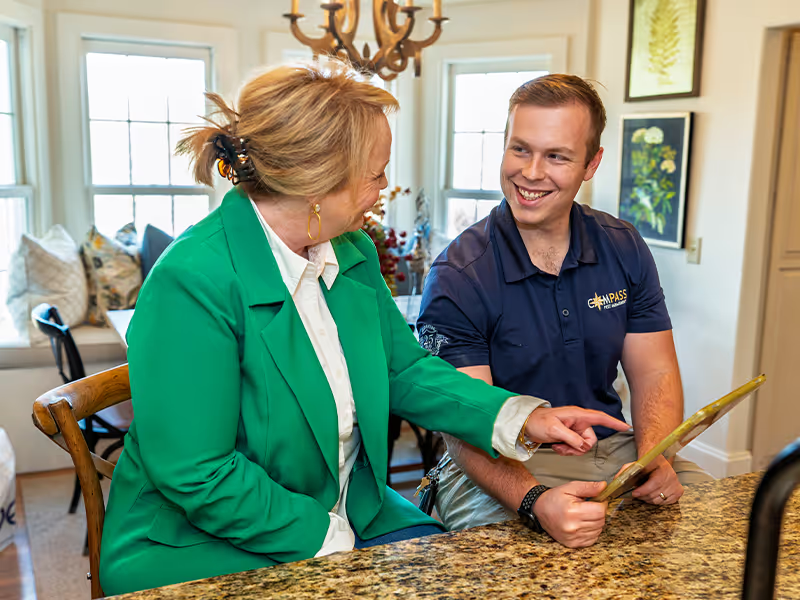
- It’s usually a visual inspection of readily accessible areas, plus notes and photos when helpful.
Why Subterranean Termites Are the Main Concern in Greenville
This article focuses on subterranean termites, because they’re the most common structural termite threat for most Greenville homeowners.
Clemson’s Home & Garden Information Center explains that subterranean termites:
- Live in the soil
- Need moisture
- Often build earthen shelter tubes (mud tubes) to travel while staying protected
That’s why inspections in our area pay close attention to foundations, crawl spaces, and any place wood meets the ground.
For a simple explanation of how termites get in and why they’re hard to spot early, you may also like: Understanding termites: risks, signs & prevention tips.
What Inspectors Look for During a Termite Inspection
A good termite inspection looks for three buckets:
- Evidence of activity (are termites here now?)
- Evidence of damage (have they been here long enough to harm the structure?)
- Risk conditions (what might invite them next?)
Visible Signs of Subterranean Termite Activity
Common things an inspector looks for include:
- Mud tubes on foundation walls, piers, brick, block, or crawl space walls
- Live termites (when an accessible area allows a direct view)
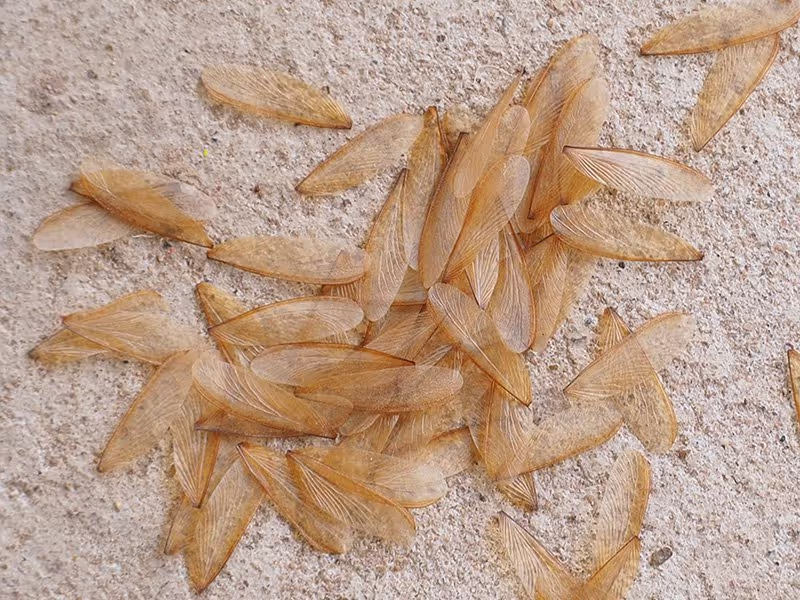
- Swarm evidence, including discarded wings near windows, doors, or light sources
Seeing a few wings doesn’t automatically mean “active infestation,” but it’s a strong enough red flag to schedule an inspection soon.
If you’re not sure whether what you found is termite wings or flying ants, this quick guide helps: Distinguishing ants from termites.
Evidence of Termite Damage
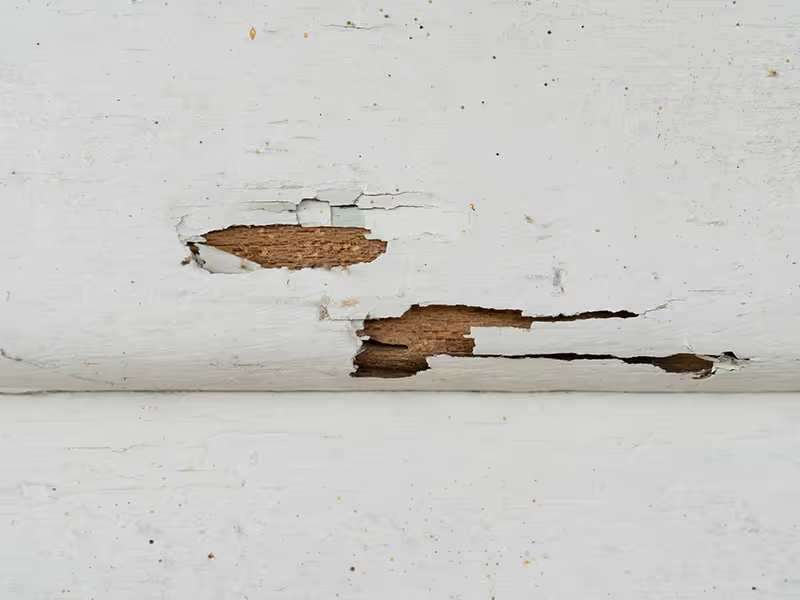
Subterranean termites often eat wood from the inside out, which means damage can be present even when the surface looks fine.
Inspectors may check for:
- Wood that sounds hollow when tapped
- Damaged sills, joists, subflooring, and other crawl space framing
- Soft spots where a tool probe reveals compromised wood
If you want a homeowner-friendly checklist of warning signs, see: How to identify termite damage and prevent infestations.
Conditions That Make Termites More Likely
Even when no active termites are visible, inspections often document termite-friendly conditions, such as:
- Wood-to-soil contact (deck posts, steps, siding too close to grade)
- Poor drainage and standing water near the foundation
- Chronic crawl space humidity
- Cellulose debris in a crawl space (wood scraps, cardboard)
Because moisture is such a driver in the Upstate, crawl space issues deserve special attention. If you suspect dampness, start here: Is your crawl space attracting pests?.
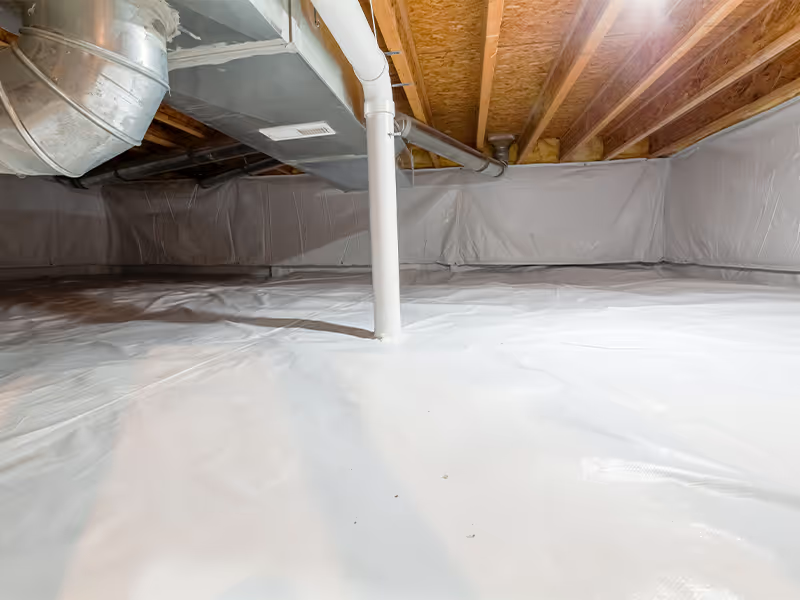
And if you’re considering a longer-term fix, you can explore: Crawl space encapsulation.
Why Timing Matters
Subterranean termites don’t stop on their own. As long as moisture and wood are available, they continue feeding — often without visible signs inside the home.
In many cases, termite damage isn’t covered by homeowners insurance. Repairs to structural wood like sill plates, joists, or subflooring are typically paid out of pocket. Catching activity early can mean simpler treatment and less extensive repair.
An inspection gives you clarity:
- No termites? You gain peace of mind
- Early activity? Treatment is usually more straightforward
- Risk conditions? You can correct them before they attract a colony
For many Greenville homeowners, confirming things early is far less costly — and far less stressful — than waiting until damage becomes obvious.
If you’ve noticed warning signs, don’t wait — schedule your Greenville termite inspection here.
When to Schedule a Termite Inspection
Most Greenville homeowners schedule a termite inspection in one of these situations.
When You See Warning Signs
Schedule promptly if you notice:
- Mud tubes on foundation or inside a crawl space
- Soft, hollow, or damaged wood
- Swarmers or discarded wings (especially repeating seasonally)
- A crawl space that stays damp or smells musty
As Preventive Maintenance
Even if everything looks fine, periodic inspections make sense for many Upstate homes, especially if you have:
- A crawl space
- A wooded lot line
- Known drainage issues
- A history of termites in the neighborhood
If you’re building a “peace of mind” routine for your home, you might also like: The importance of regular pest inspections.
What Happens If the Inspection Finds Subterranean Termites?
If active subterranean termites are confirmed, the next step is a professional plan to eliminate the colony and protect the structure.
You can see how Compass approaches termite protection here: Termite control in Greenville.
Our Treatment Standard for Subterranean Termites: Termidor® HP II
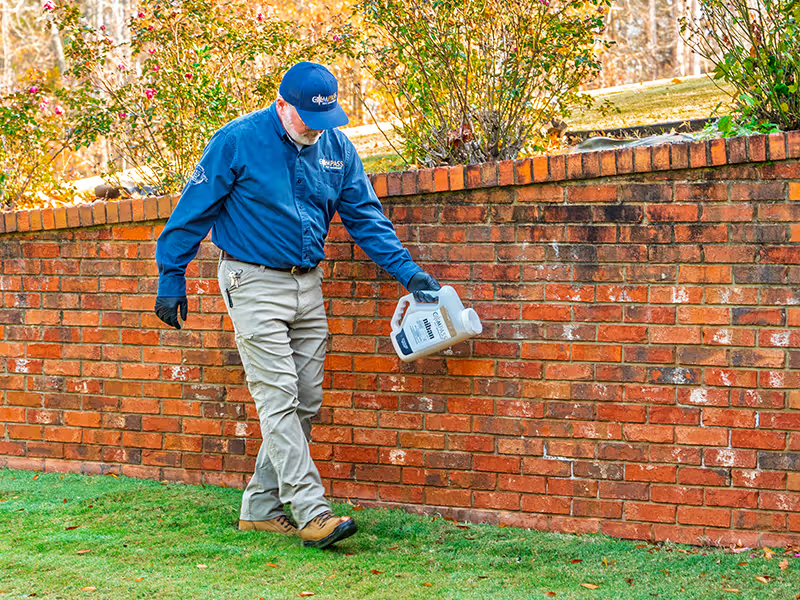
If termites are found, the goal isn’t to “spray what you can see.” The goal is to treat where termites live and travel.
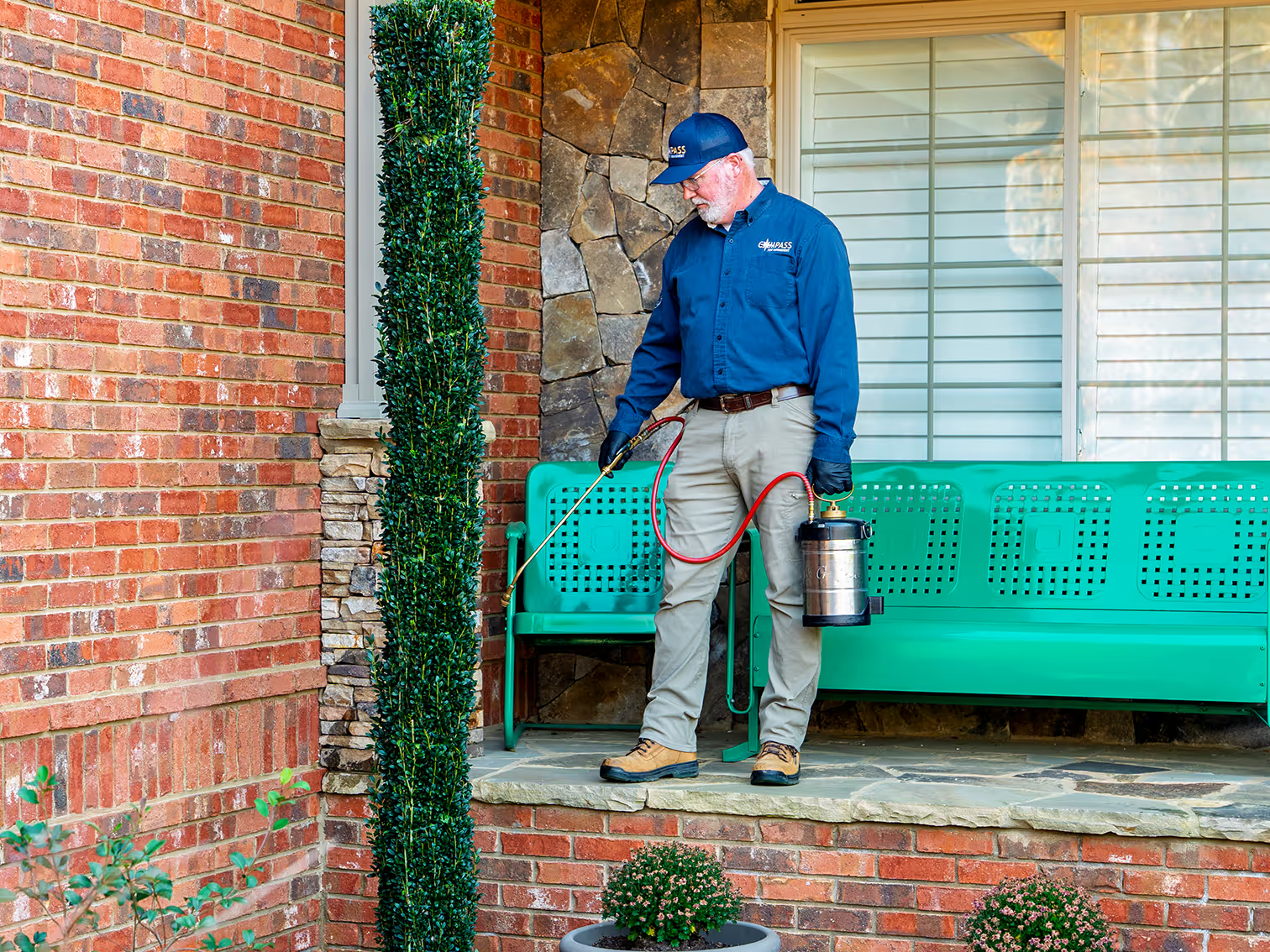
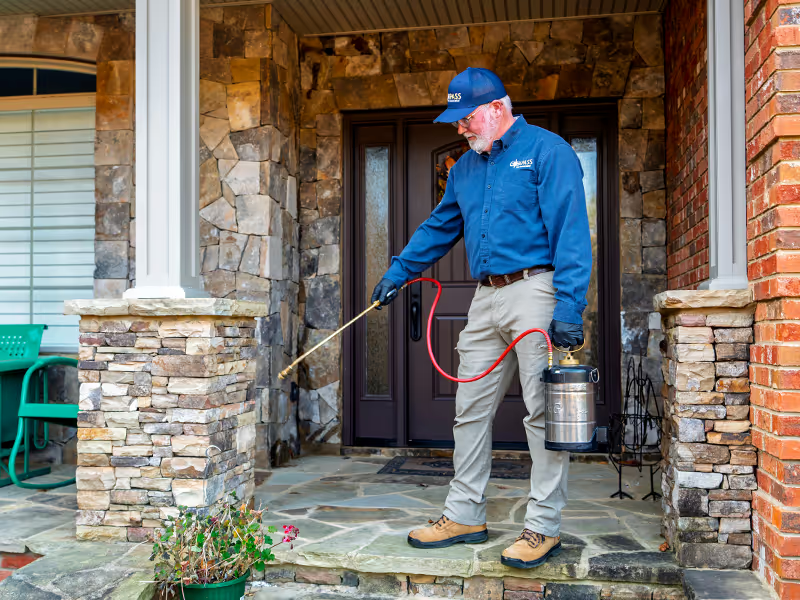
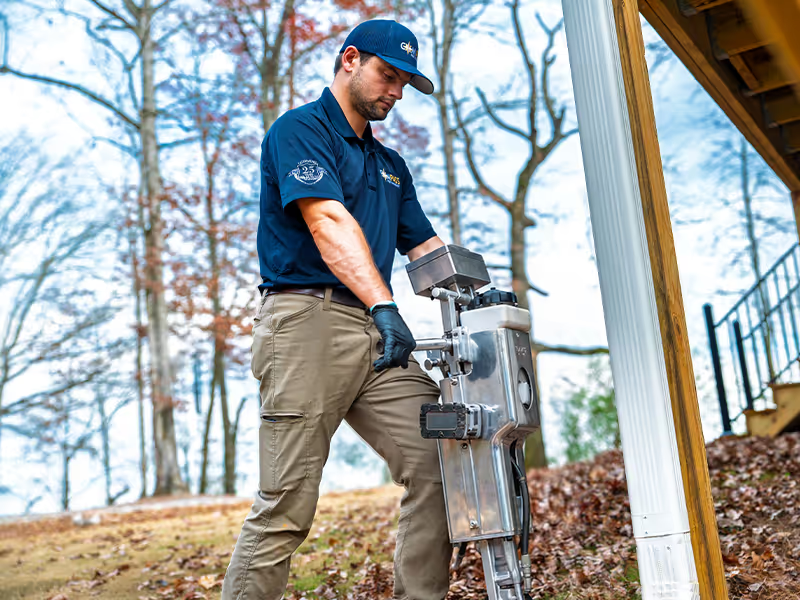
With Termidor® HP II, a trained technician applies a professional liquid treatment into the soil around key parts of the structure to create a continuous treatment zone. Subterranean termites can’t detect it (it’s non-repellent), so they move through the treated area during normal foraging.
As termites travel through that zone, they pick up the active ingredient and can spread it through contact within the colony. This is why a correctly applied Termidor® HP II treatment is designed to do more than just knock down visible termites — it’s intended to address the colony and help protect the home moving forward.
How to Prepare for Your Termite Inspection Appointment
A few quick steps make the inspection more efficient (and help you get better answers faster):
- Make sure the inspector can access the crawl space entrance
- Move stored items away from foundation walls (garage/basement areas)
- Trim heavy vegetation touching the house where possible
- Write down where you’ve seen wings, mud-like trails, or moisture
Frequently Asked Questions
Is a termite inspection the same as a home inspection?
No. A termite inspection is different from a home inspection. A home inspection evaluates multiple systems (roof, HVAC, plumbing), while a termite inspection focuses specifically on wood-destroying organisms and termite risk conditions.
If I don’t see termites, am I in the clear?
Not necessarily. Subterranean termites can remain hidden in soil, behind walls, or inside wood. That’s why inspections look for risk factors and subtle signs — not just live insects.
Can I treat subterranean termites myself?
Subterranean termite control is specialized. To work reliably, treatment needs the right materials, the right equipment, and professional application that creates a continuous zone of protection. Professional treatment is the most dependable path.
Don’t Guess About Termites. Get Clear Answers.
If you’ve seen warning signs — or just want to protect your investment — a professional termite inspection from licensed and insured specialists gives you clarity.
- No scare tactics
- No pressure
- Just an honest evaluation of your home
Schedule your Greenville termite inspection today.
Want to learn more about the company behind the service? Visit About Compass Pest Management