First, What a “Termite Swarm” Actually Is
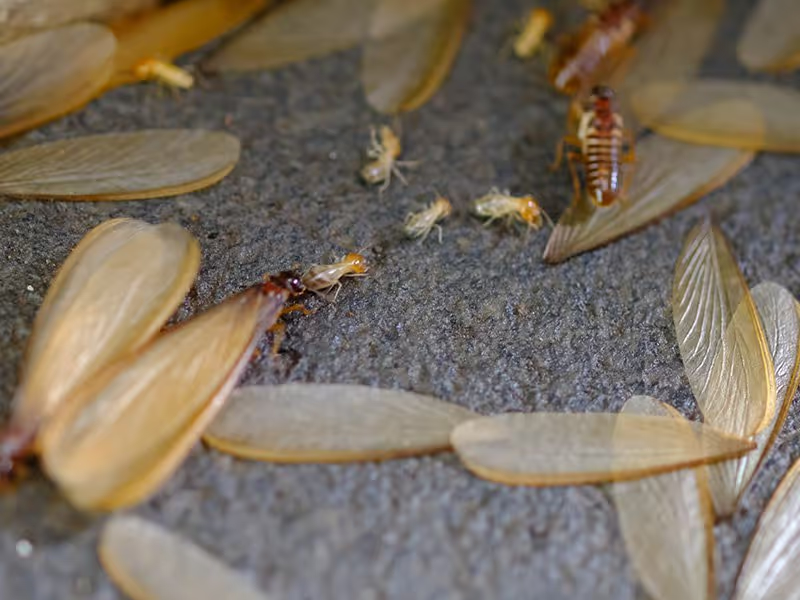
A swarm is when a mature subterranean termite colony releases winged reproductive termites (often called “swarmers” or “alates”). Their job is to leave the colony, pair up, and start a new one.
Two important things to know:
- A swarm doesn’t “cause” the damage—it’s a sign a colony is strong enough to reproduce.
- The wings you find are often discarded after a swarmer lands.
For a broader overview of termite biology and behavior, see our article on Understanding Termites.
When Subterranean Termites Swarm in Georgia
In Georgia, subterranean termite swarms most commonly happen when weather conditions hit a sweet spot:
- Warmer daytime temperatures
- Higher humidity
- Often after rain
Many Georgia swarms show up in late winter through spring, with peak activity often in February through April (timing shifts based on local weather patterns).
If you’d like a science-based reference, the University of Georgia notes that swarmers commonly appear in late winter/early spring in Georgia. You can read more on UGA’s Field Report site: Preventing termites in Georgia homes (UGA CAES Field Report).
Why You Might See Wings Inside (Even If You Didn’t See Flying Insects)
Homeowners often miss the actual swarm and only notice the aftermath.
You may find wings:
- Near windows or sliding glass doors
- Around light fixtures
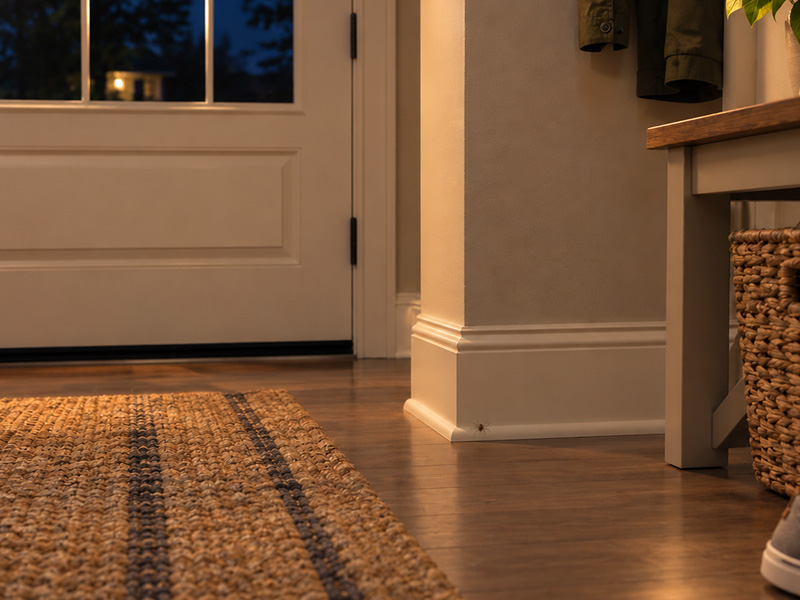
- On the floor near the baseboards
- In spider webs (they’re easy prey)
Subterranean termite swarmers are attracted to light, and indoor conditions can confuse them.
What to Do If You See Termite Wings in Your House (Step-by-Step)
If you find discarded wings, the goal is to confirm what you’re seeing and get a professional inspection quickly.
Don’t Spray and Don’t Disturb Evidence
It’s tempting to grab a can of bug spray or start ripping into drywall.
Instead:
- Leave the area as-is (as much as possible)
- Avoid cleaning everything up until you document it
Reason: you want a technician to see exactly where activity showed up.
Take Clear Photos and Collect a Sample
- Photograph wings next to a coin for size reference
- If possible, tape a few wings (or a dead swarmer) to an index card
Check the Most Likely “Clues” Nearby
Subterranean termites typically need moisture and soil access. Look for:
- Mud tubes on foundation walls, piers, crawl space walls, or inside the garage
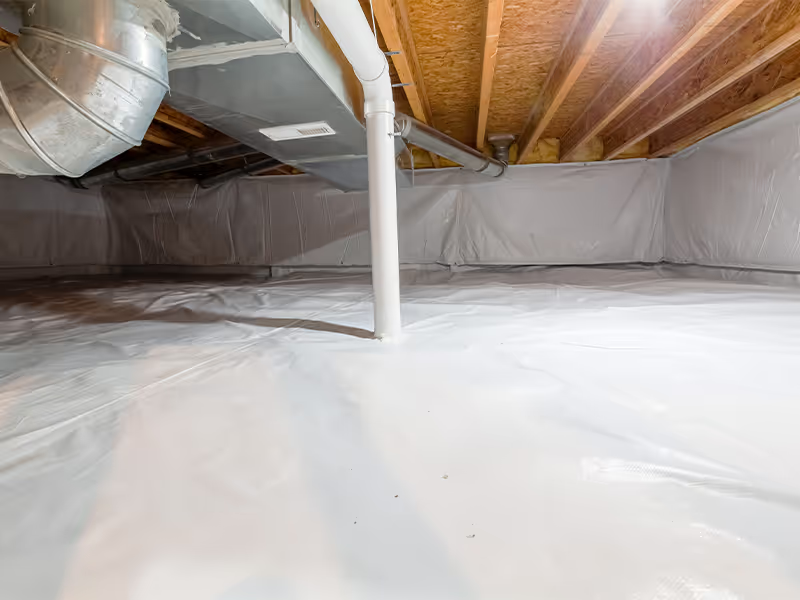
- Damp areas in crawl spaces
- Wood that sounds hollow when tapped
If your home has a crawl space, also read: Is Your Crawl Space Attracting Pests? Moisture management matters for termites.
Rule Out Flying Ants (Quick Check)
Wings in the house can also come from flying ants. A fast way to tell:
- Termite wings are usually equal in length and longer than the body
- Termites have a thicker, straighter-looking body
For an in-depth comparison, use our guide: Distinguishing Ants From Termites.
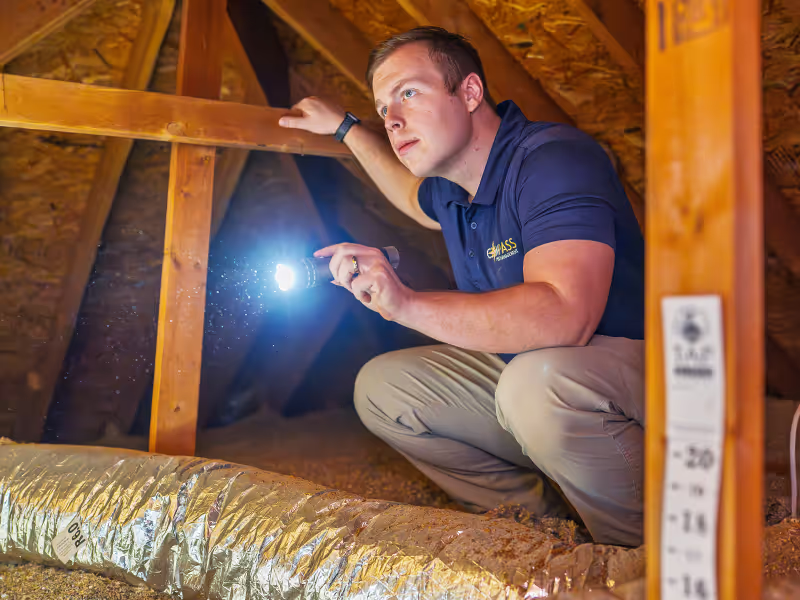
Schedule a Professional Termite Inspection
Seeing wings can mean:
- A colony is nearby (possibly outside)
- A colony is in the structure
- A swarm entered from outside and died off
An inspection is how you move from “guessing” to “knowing.” If you’re in Northeast Georgia, you can start with our local office page for service availability: Cornelia, GA pest and termite control.
What Not to Do (Common Mistakes That Cost Homeowners Time)
- Don’t rely on DIY sprays as a “treatment” for subterranean termites
- Don’t assume wings are “just a seasonal bug” and ignore them
- Don’t seal up mud tubes before inspection (it can hide activity)
Because Eastern subterranean termites work quietly behind walls and below floors, early confirmation matters.
How We Treat Subterranean Termites
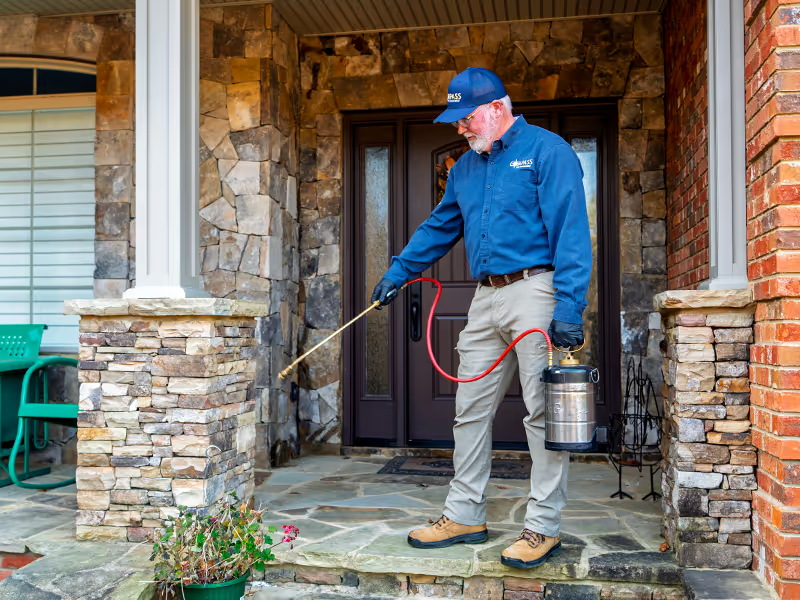
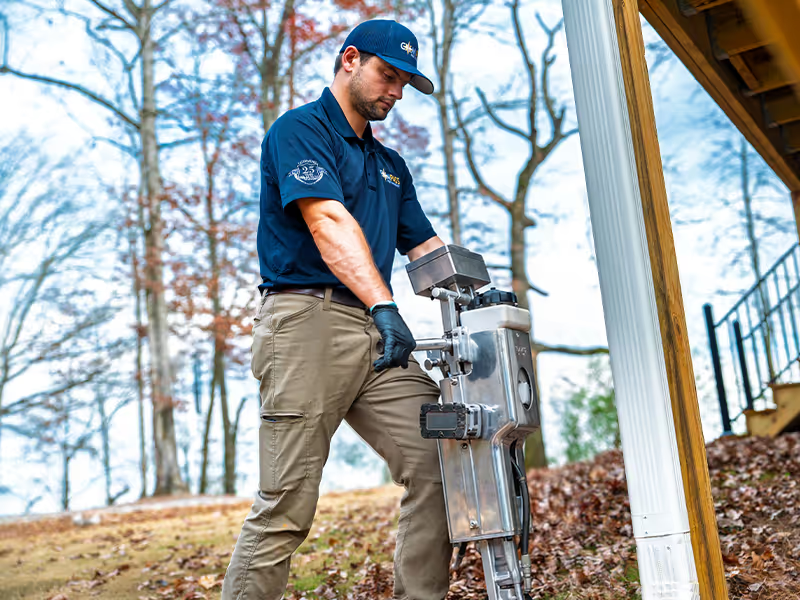
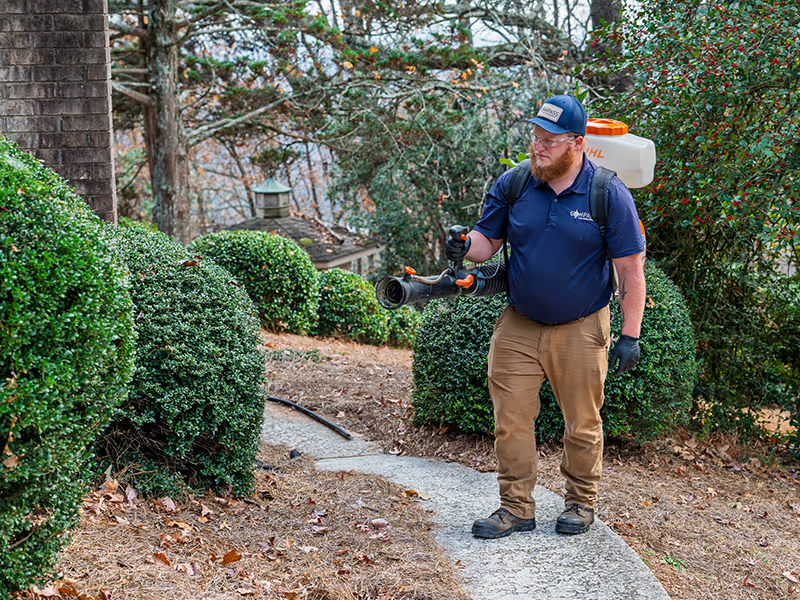
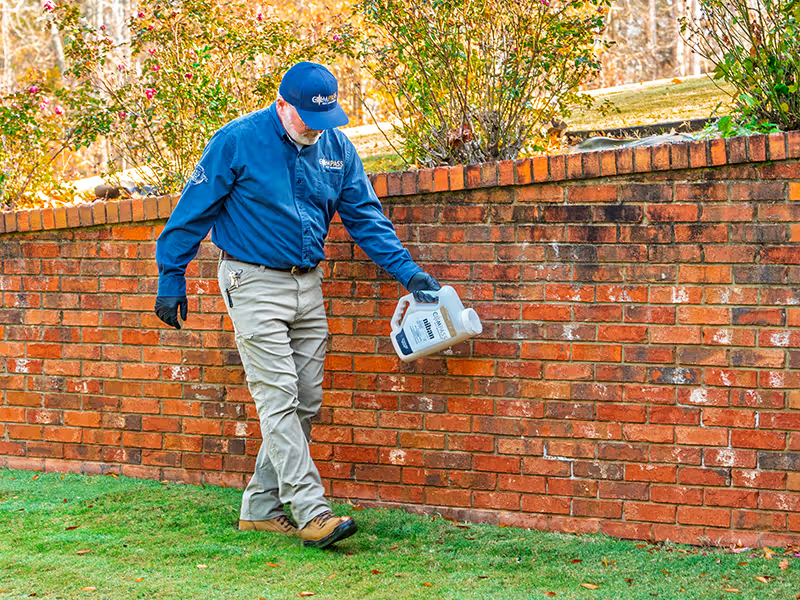
When subterranean termite activity is confirmed, Compass Pest Management uses professional-grade Termidor® treatment to create a protective zone where termites travel. Because it is non-repellent, termites move through treated areas and share exposure within the colony—helping eliminate the problem at its source rather than just killing the termites you see.
Termidor must be applied according to label instructions and local regulations, which is why professional application is essential.
Frequently Asked Questions About Termite Swarms in Georgia
Does a Swarm Mean My House Has Termites?
Not always, but it does mean termites are active in the area. Wings inside the home are worth treating as a serious warning sign until a professional inspection proves otherwise.
How Long Do Termite Swarms Last?
Many swarms are short-lived (often minutes). The wings you find may show up afterward and stick around until cleaned.
I Only Found Wings Near One Window. Is That Better?
It can be, but it doesn’t rule out a nearby colony. The inspection is what determines whether the swarm entered from outside or originated from within the structure.
Next Step: Protect Your Home From Termites
If you’ve found wings, schedule a professional termite inspection as soon as possible to confirm what’s happening. The sooner you know what’s going on, the quick you can protect your home with the right treatment.
For more termite information, you can also view our termite identification guide or check out our resource: Termites in Georgia: A Homeowner’s Guide.
And if you’d like to see what other homeowners say about working with us, visit our customer reviews.