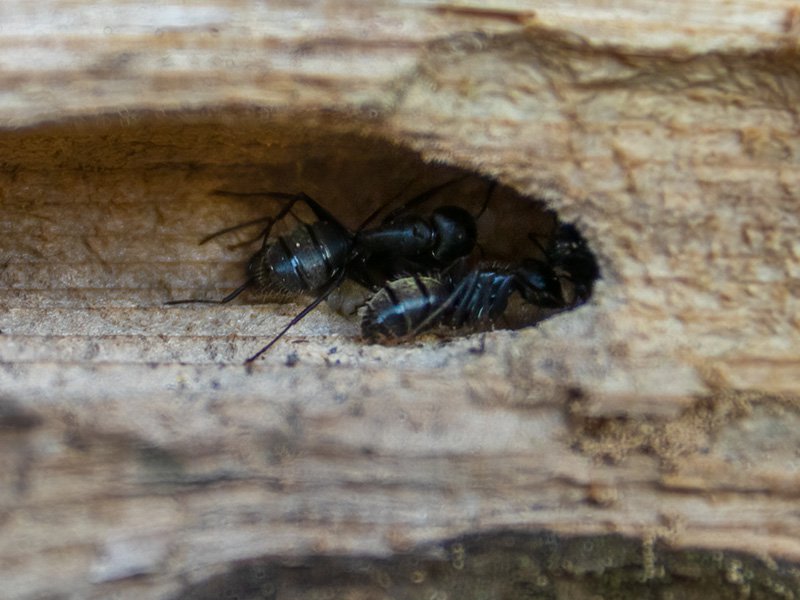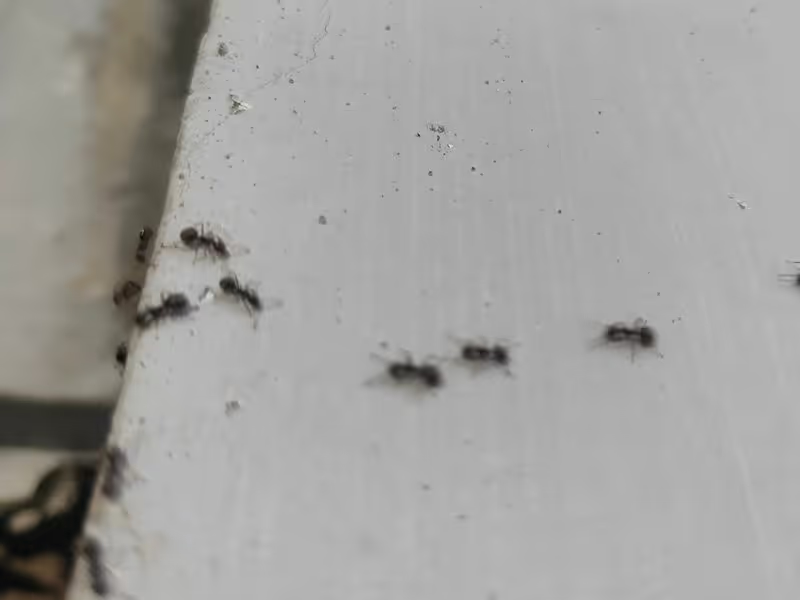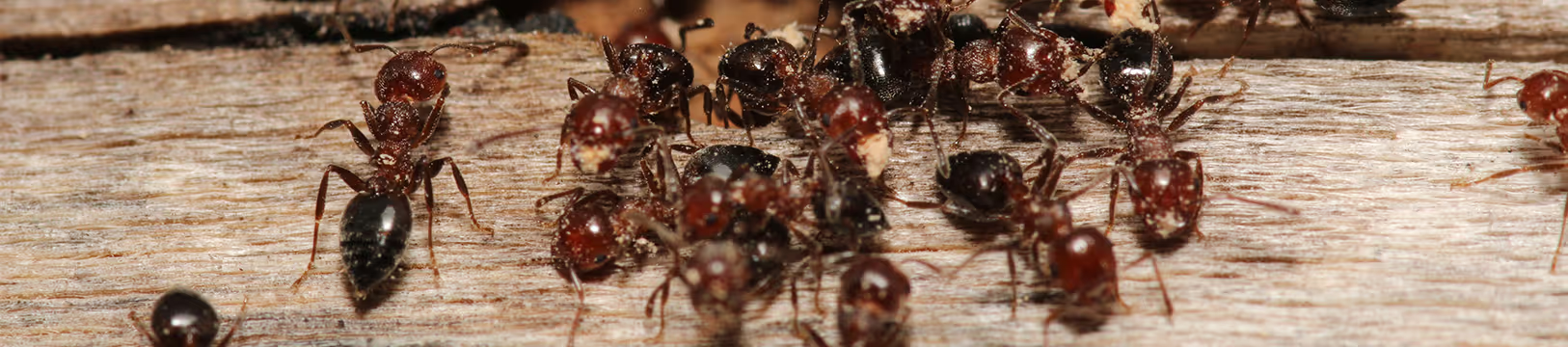
Carpenter ants are one of the most serious ant problems homeowners face in Upstate South Carolina and Northeast Georgia. Unlike smaller ants, which are mostly a nuisance, carpenter ants can cause real property damage by hollowing out wood to build nests.
These ants don’t eat wood, but they carve out galleries inside it. That means a carpenter ant infestation is often a sign of moisture damage or wood rot somewhere in or around the home. Because the nests can be hidden inside walls or crawl spaces, carpenter ant activity is often discovered later than other ant problems.
Carpenter ants are most noticeable during spring and early summer when winged swarmers appear. But in South Carolina and Georgia, they can remain active much of the year, especially inside homes where temperatures are stable.
You’re more likely to notice them when:
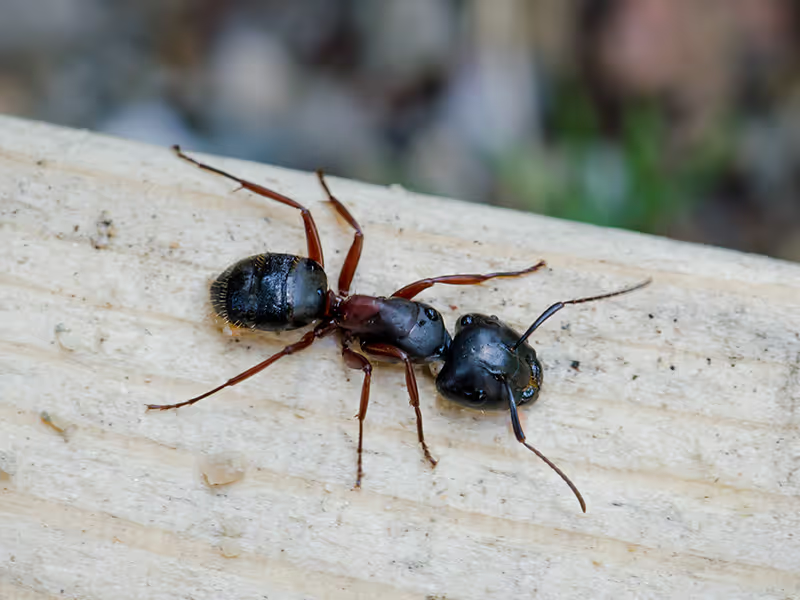
Carpenter ants are among the largest ants you’ll see inside a home.
Quick ID:
Carpenter ants are larger than most household ants and move more slowly than smaller species. If you see large ants inside your home, especially near wood or moisture, it’s worth investigating.
Carpenter ants are often confused with termites because both are found near wood. Although they both damage wood, they behave differently — and the way you handle them is different too.
Carpenter ants
Termites
If you’re seeing insects near wood or in walls, it’s essential to know which one you’re dealing with — because the treatment approach is different.
Carpenter ants don’t eat wood, but they carve out galleries inside it. They prefer wood that is damp, damaged, or softened.
Common nesting areas include:
They can also nest in wood piles, tree stumps, or dead wood near the foundation. These outdoor nests can serve as a staging area for colonies to move closer to the home.
Carpenter ants often reveal themselves through signs that homeowners may not immediately recognize.
Common signs include:
If you notice any of these signs, it’s a strong indicator of carpenter ant activity.
The following conditions often attract carpenter ants to homes:
The most common trigger for carpenter ant infestations is moisture. Even small leaks can create the perfect nesting environment.
Carpenter ants don’t pose a direct health risk, but they can cause serious property damage over time. Because they excavate wood to create galleries, they can weaken structural supports, leading to costly repairs.
Carpenter ant activity is also often a sign of hidden moisture damage, which can lead to mold and rot if left unchecked.
Carpenter ants typically enter homes from the outside and establish nests in damp wood. Common entry points include:
Once inside, carpenter ants can establish satellite colonies in wall voids, making them difficult to eliminate without professional treatment.
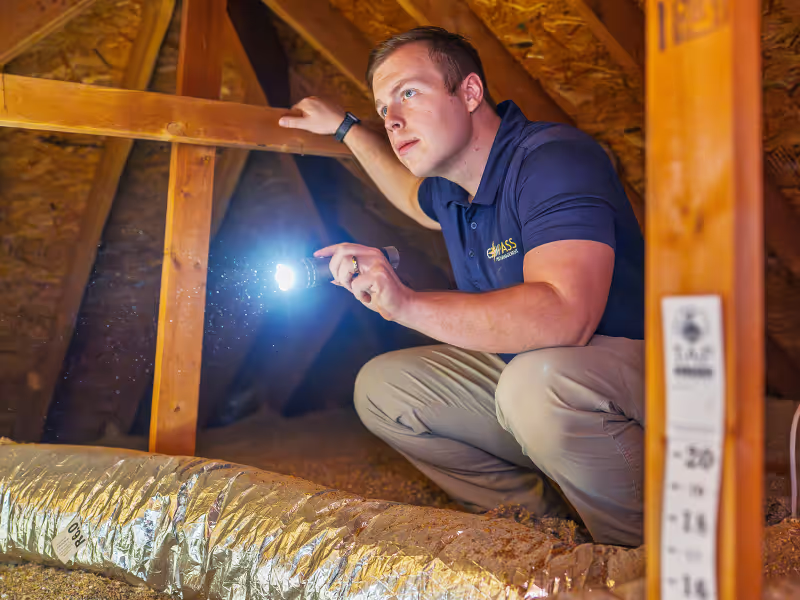
If you spot carpenter ants inside your home, treat it like a red flag. The ants you see are usually foragers, and the actual nest is often nearby—sometimes inside the walls or in damp wood. Scheduling a pest control inspection is the best way to move forward.
Why DIY often fails:
Carpenter ants can nest deep inside wood, and sprays often only kill the ants you see. Without finding and treating the nest, the colony will continue to grow and spread.
Prevention is about moisture control and removing wood contact.
Most effective prevention tips:
Carpenter ant infestations are not to be ignored. If you suspect carpenter ants in your home, a professional inspection is the best way to confirm their presence.
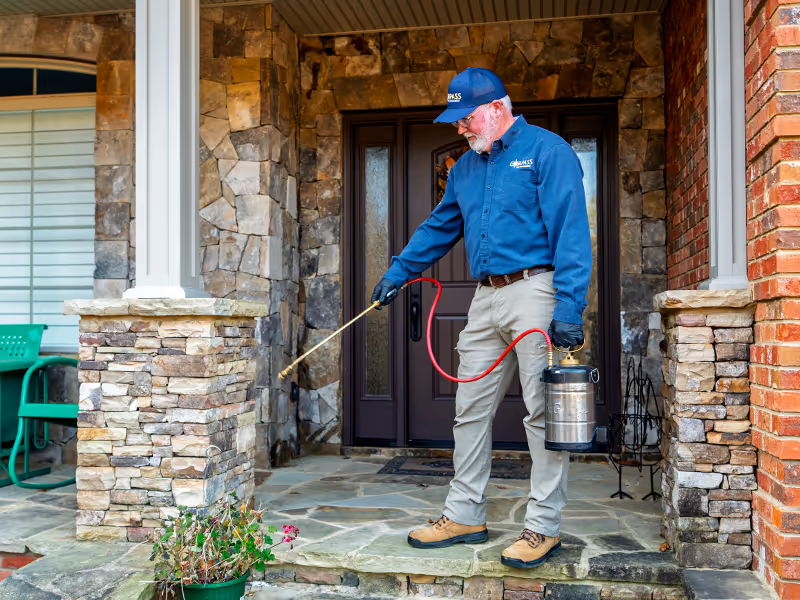
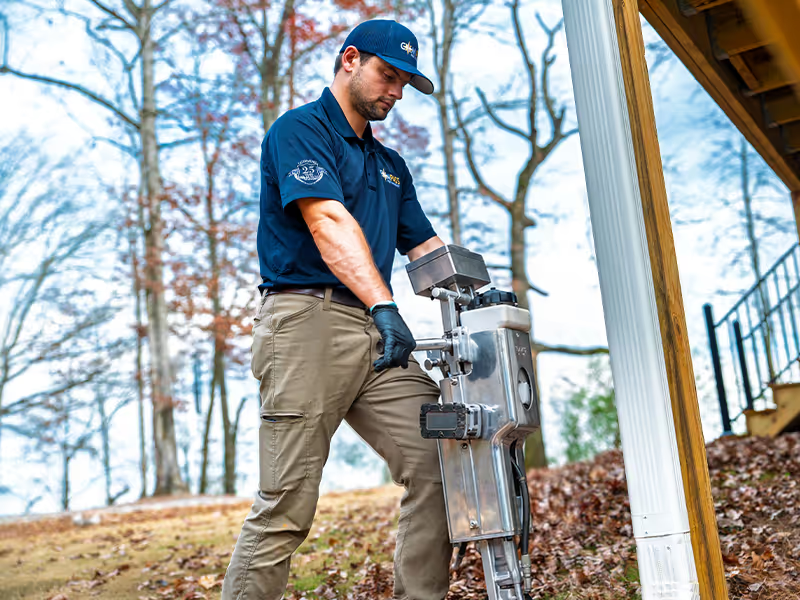
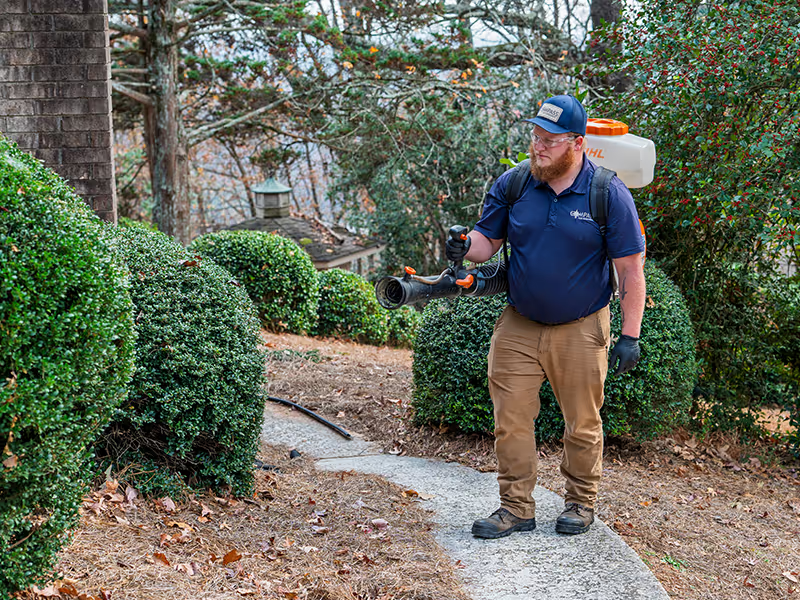
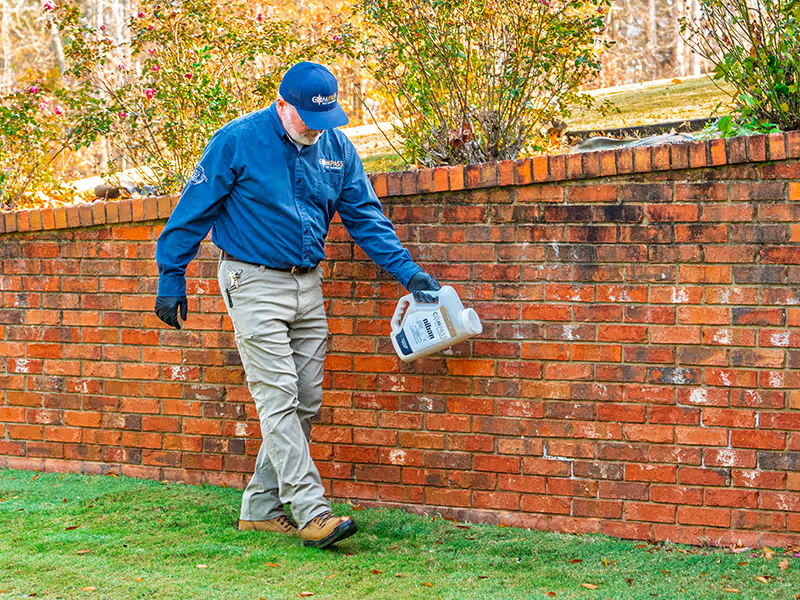
Compass Pest Management offers local carpenter ant control services in Greenville, Upstate South Carolina, and Northeast Georgia. Our approach includes:
If you’re seeing large ants inside your home, schedule an inspection with Compass Pest Management today.

Dale G has offered his expertise on a number of matters for our home: pest control, moisture control, moisture remediation, and insulation. I always leave the conversation feeling much more knowledgeable and having options. Dale makes us excited to contract Compass.
Anthony R.
Greenville, SC

Professional and friendly service! We are new to the area and happy we selected Compass for our pest control needs.
April Z.
Anderson, SC

I’ve been using Compass for over 5 years now for pest control and mosquito control and they do a great job. They are on time and always very professional. They are very accommodating if I ever needed anything else done like an ant problem in my kitchen.
Penny F.
Cornelia, GA



Helpful Tips & Info