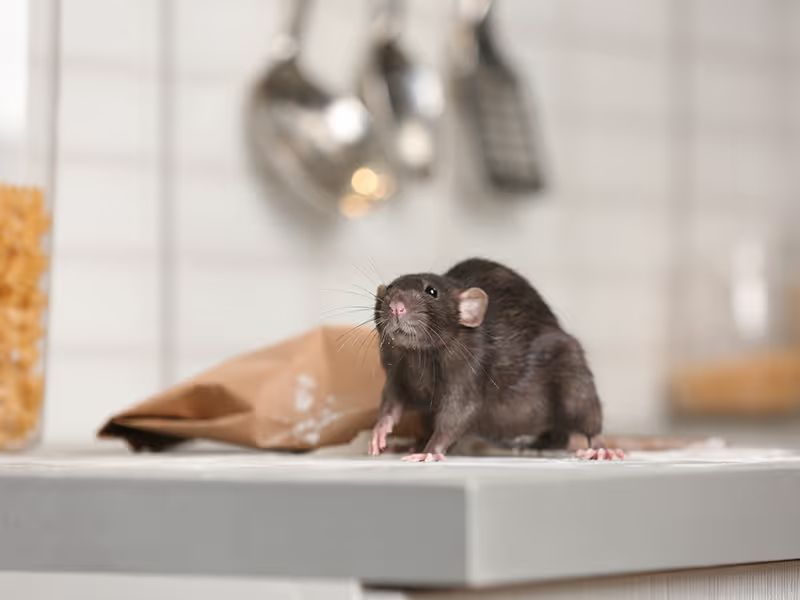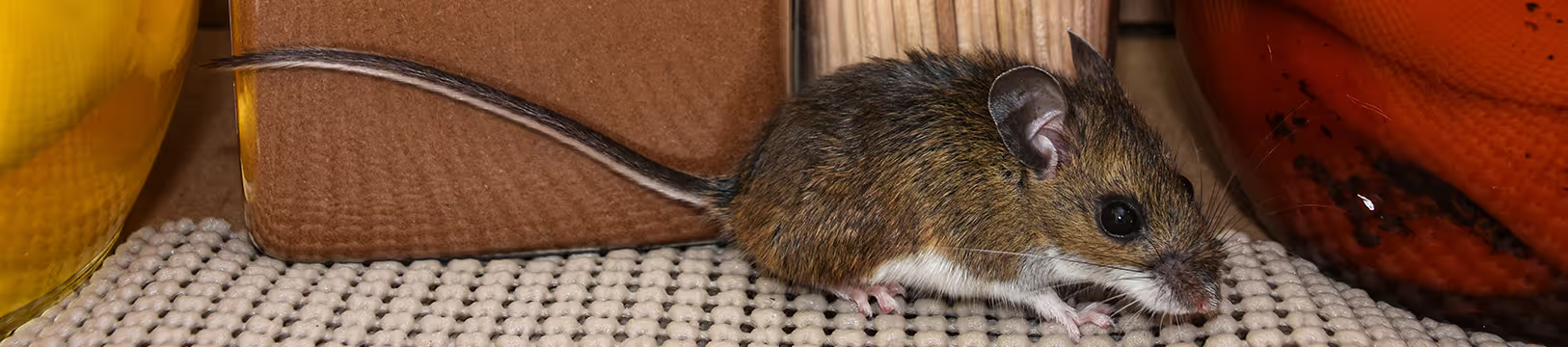
Mice are among the most common rodents that homeowners in South Carolina and Georgia encounter. They’re small, fast, and can squeeze through tiny gaps, which makes them expert home invaders. While they may seem harmless, mice can contaminate food, damage insulation, and spread bacteria. If you’re seeing droppings, hearing scratching inside walls, or noticing chewed items, you may have a mouse problem. The good news is that early action can prevent a small issue from turning into a full-blown infestation.
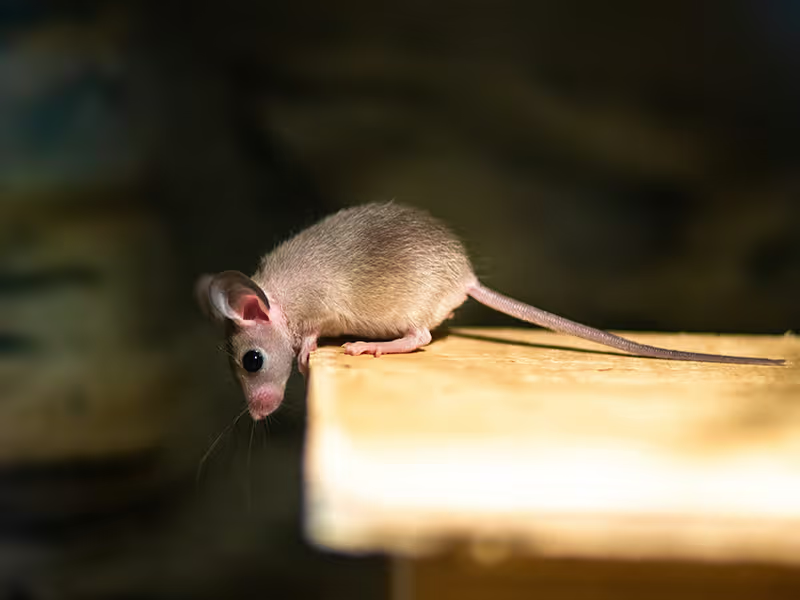
Mice don’t truly hibernate; their activity levels change based on temperature, food availability, and shelter. In South Carolina and Georgia, mice are most noticeable when conditions outside become less favorable, prompting them to move indoors.
Mice are constantly looking for food and safe places to nest, so they often show up in homes when the weather drives them indoors.
Quick ID
Although mice are nocturnal and often avoid detection at the start of an infestation, they will leave clues you can spot around the house.
Common signs include:
Mice may be small, but they can cause serious problems once inside a home.
Common risks include:
If you spot mice or see signs of activity, the best move is to act fast and call a professional.
Why DIY doesn’t work
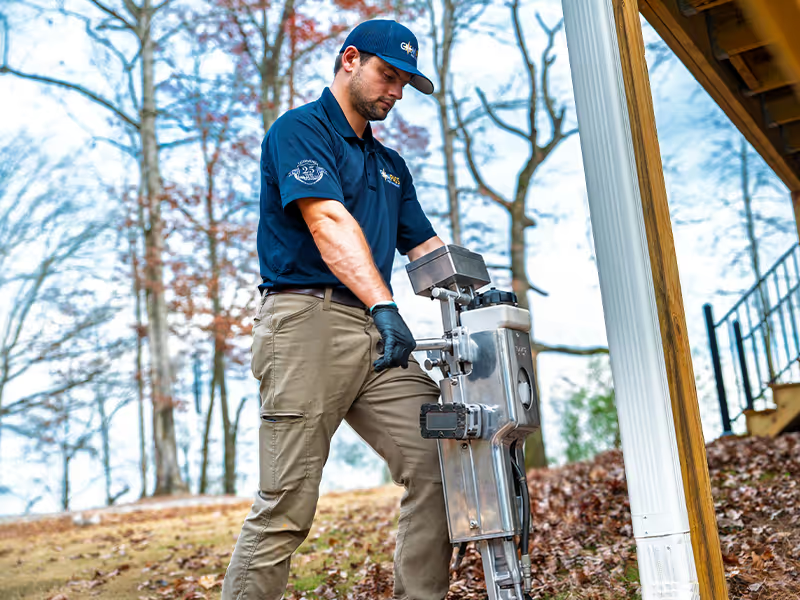
Mice often nest in walls, attics, and other hidden areas. DIY methods may catch a few, but they won’t eliminate the colony or stop new mice from entering. The most effective solution is a professional inspection, targeted treatment, and sealing entry points.
To keep mice from taking over your home, we recommend implementing the following pest prevention tips:
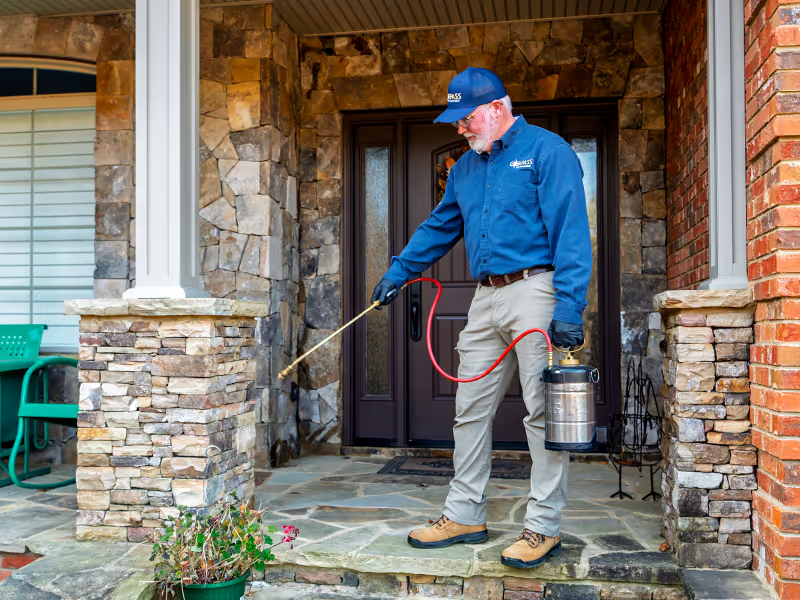
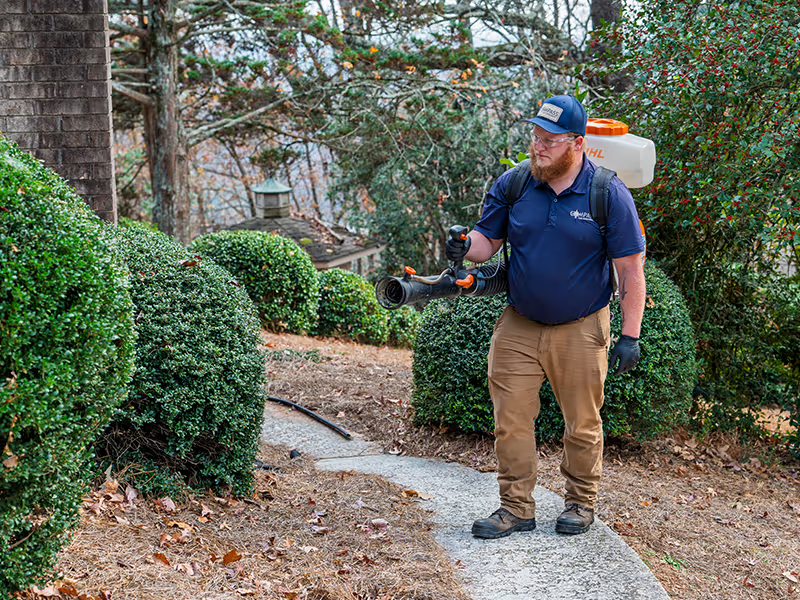
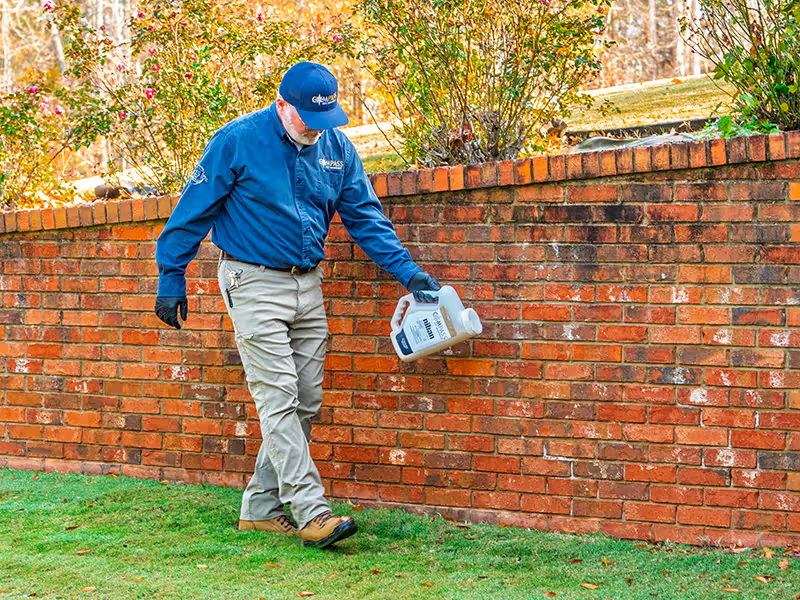
If you’re finding multiple droppings, hearing frequent noises, or noticing chewed wiring or insulation, it’s time to call a professional. Compass Pest Management offers ongoing home pest control plans that target mice, rats, and other house-infesting pests.
Serving Upstate South Carolina and Northeast Georgia since 1995, our locally owned and family-operated pest control company is here to help homeowners protect their families and homes from nuisance and destructive rodents!

Dale G has offered his expertise on a number of matters for our home: pest control, moisture control, moisture remediation, and insulation. I always leave the conversation feeling much more knowledgeable and having options. Dale makes us excited to contract Compass.
Anthony R.
Greenville, SC

Professional and friendly service! We are new to the area and happy we selected Compass for our pest control needs.
April Z.
Anderson, SC

I’ve been using Compass for over 5 years now for pest control and mosquito control and they do a great job. They are on time and always very professional. They are very accommodating if I ever needed anything else done like an ant problem in my kitchen.
Penny F.
Cornelia, GA



Helpful Tips & Info