It's Not "Rodent Season" Yet, So What's Going On?
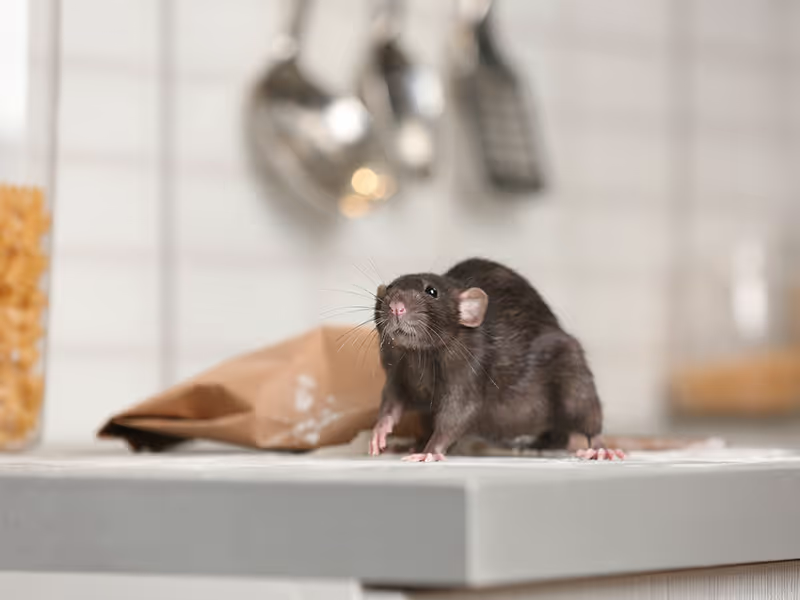
Rodent problems have a reputation for being seasonal, and there's some truth to that. Mice and rats do tend to seek shelter as temperatures drop in the fall. But that reputation can also lead people to let their guard down during the summer, and that's exactly when problems can quietly take hold.
The National Pest Management Association has pushed back on the idea that pest activity follows a predictable calendar. As Dr. Jim Fredericks, NPMA's Senior Vice President of Public Affairs, put it, "There's a common misconception that pest threats are predictably seasonal, but changing weather patterns have rewritten the rules. Pests are staying active longer." Rodents reproduce quickly in warm weather, so a small population in early summer can turn into a much bigger one by the time fall actually arrives.
The Real Driver: This Summer's Drought
Here's the piece that's specific to our area right now, and it's a big one. Upstate South Carolina and Northeast Georgia are in the middle of a serious drought. As of early July, roughly 83% of South Carolina is under active drought conditions, with much of that classified as severe to extreme. Fifteen South Carolina water systems have already put mandatory restrictions in place, and another 40, including Spartanburg Water, are asking customers to conserve voluntarily, with odd/even outdoor watering schedules now in effect. Georgia's drought footprint is smaller but still meaningful, with about a third of the state in active drought and roughly half classified as abnormally dry.
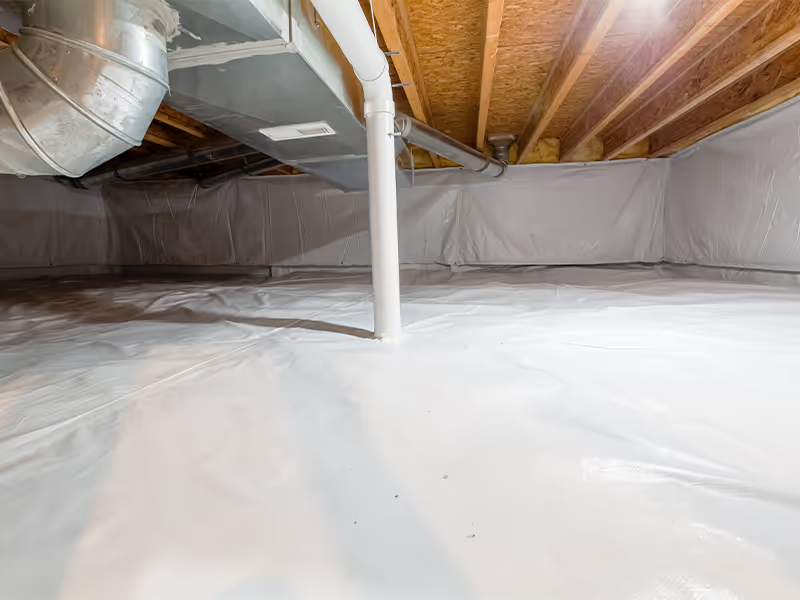
When natural water sources dry up, wildlife doesn't just disappear. It looks for the next closest option, and for mice and rats, that's often a house. A dripping outdoor spigot, a leaky AC condensate line, a pet's water bowl left out overnight, or even condensation collecting in a crawl space can be enough to draw rodents toward a home that would otherwise hold no interest for them. It's a pattern pest professionals see play out during dry stretches: as food and water get harder to find outside, rodents take more risks to get inside.
What This Could Mean for Fall
This is the part worth planning for. Forecasters expect an El Niño pattern to strengthen heading into fall, which historically brings wetter, cooler conditions to the Southeast, but usually not until mid-to-late fall at the earliest. Between now and then, the region is still expected to see below-normal rainfall and a quieter-than-usual hurricane season, both of which typically bring the Southeast a good share of its fall rain. That means the dry conditions that are pushing rodents toward homes right now could persist longer than usual.
Layer that on top of rodents' normal fall instinct to find warm shelter before winter, and you've got two separate pressures pointing in the same direction. Homes that already have rodents nesting from a dry summer, or that have gaps and access points rodents found during the drought, are likely to see that activity continue and grow once temperatures start to drop. The homes in the best position in November are the ones that dealt with the problem in July.
Signs You Might Already Have Company
Rodents are good at staying out of sight, so the signs are often more reliable than an actual sighting. Keep an eye out for:
- Small, dark droppings near baseboards, in pantries, or along garage walls
- Gnaw marks on food packaging, wood trim, or wiring
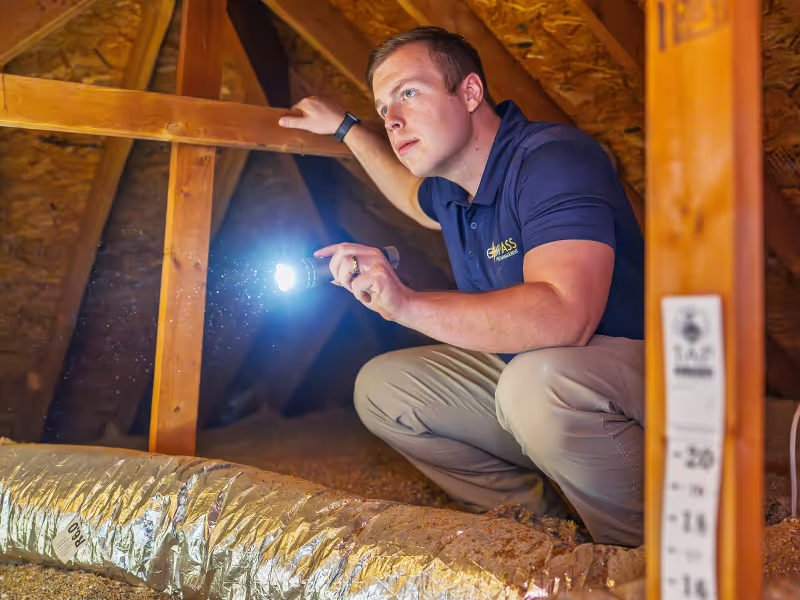
- Scratching or rustling sounds in walls, ceilings, or the attic, especially at night
- Greasy smudge marks along walls where rodents repeatedly travel the same path
- A pet that's suddenly fixated on a particular wall, cabinet, or corner
Any one of these is worth a closer look. A few together usually means it's time to call in a professional.
What to Do Now, Before Fall Makes It Worse
The good news is that most of what draws rodents toward a home during a dry summer is manageable. A few practical steps go a long way:
- Cut off water access. Fix dripping spigots and hoses, empty pet water bowls overnight, and check for condensation buildup around AC units. Address moisture issues in your crawl space, if present.
- Reduce food sources. Store pet food and birdseed in sealed containers, keep trash cans closed, and clean up fallen fruit or seed under trees and feeders.
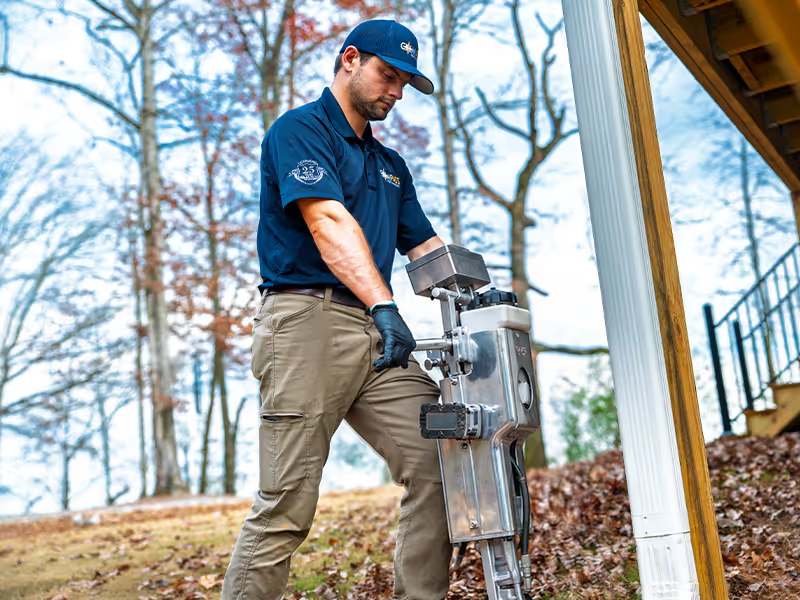
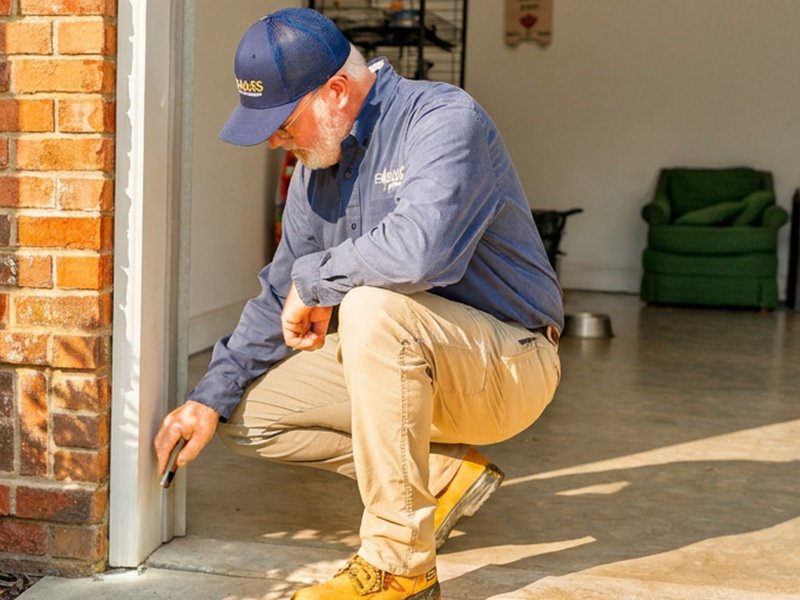
- Seal entry points. Rodents can squeeze through openings smaller than a quarter. Check around utility lines, vents, garage doors, and the foundation for gaps, and seal what you find. This kind of rodent exclusion work is one of the most effective long-term prevention tools available.
- Don't wait for a sighting. By the time you see a mouse in daylight, there's usually already a nest somewhere nearby.
If you're already hearing activity or seeing signs, a DIY trap here and there can help in the moment, but it rarely addresses where rodents are getting in or how many are already inside. That's where a professional rat exterminator or mice control service makes the difference, identifying entry points, treating the problem at its source, and setting up a plan to keep it from coming back.
How Compass Handles Rodent Control
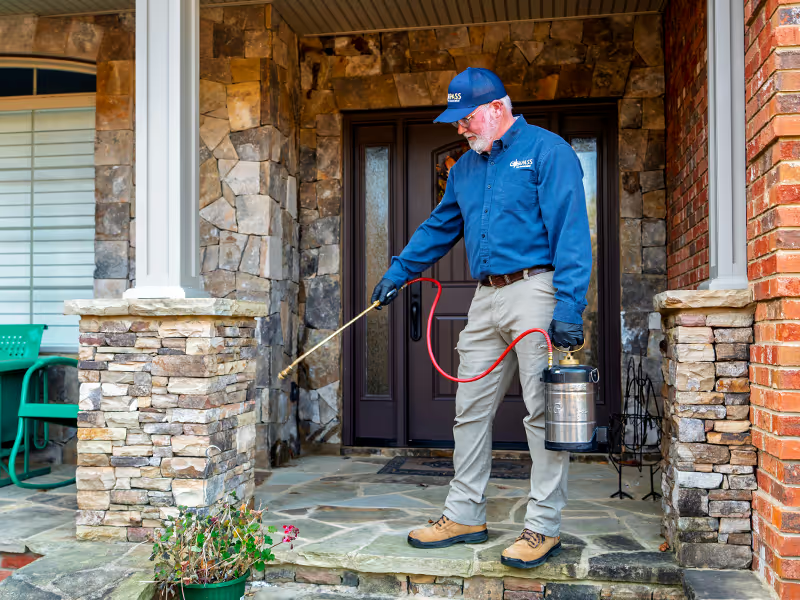
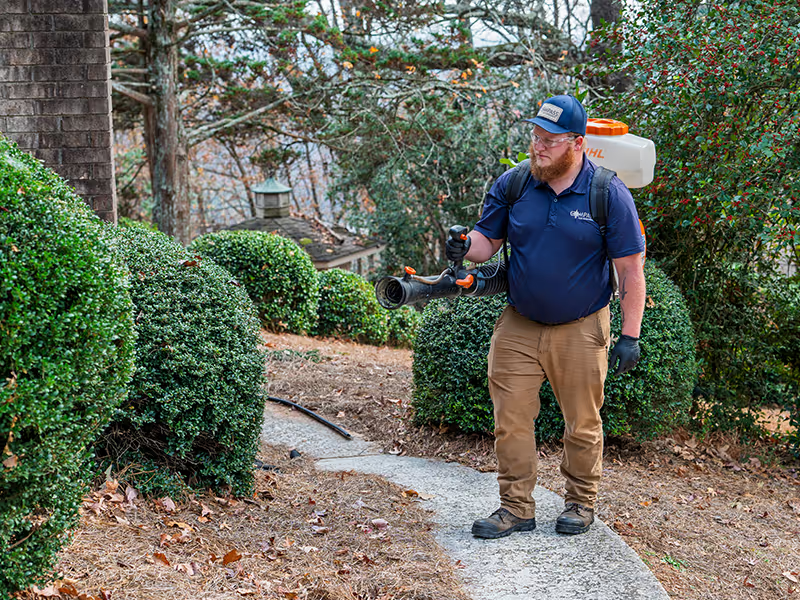
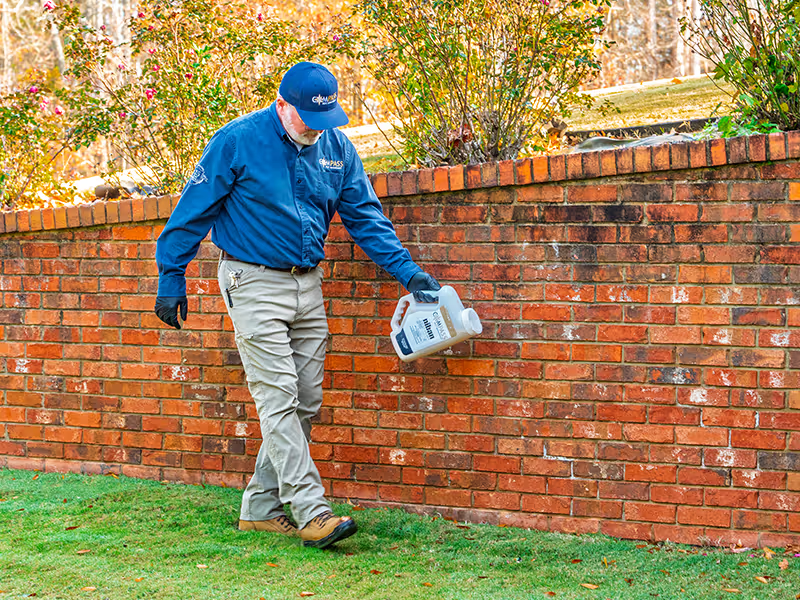
Every home pest control plan at Compass Pest Management, Basic, Advanced, and Elite, includes coverage for mice and rats alongside more than 20 other common household pests. Each plan starts with a thorough inspection and initial treatment, followed by scheduled service to maintain protection through every season, not just the ones people expect.
If rodent activity occurs between visits, indoor treatment is available as needed, and our 100% satisfaction guarantee means we'll return to address it at no extra cost.
Frequently Asked Questions
Does drought make rodents reproduce faster?
Not directly. Reproduction speed is driven by warmth and reliable food and water, not drought itself. But that's what makes drought dangerous: it pushes mice and rats indoors, where those natural checks disappear. A female mouse can have a litter every three weeks and up to 10 a year, so an unaddressed pair can become a real problem within months.
Will my rodent problem go away once it rains again?
Not on its own. Once rodents establish a nesting site indoors, they tend to stay, even after outdoor conditions improve, because a house still offers safer, more reliable shelter than the yard. Rain may reduce new activity from the outside, but it won't remove rodents that are already in.
How much does rodent control cost?
Rodent coverage is built into every Compass home pest control plan, starting at $39 a month for the Basic Plan, plus an initial treatment fee. Exact pricing depends on your home's size and layout, so a technician will walk through the details before any work begins.
Get Rodent Protection Started Today
We've served Upstate South Carolina and Northeast Georgia since 1995, with local offices in Greenville, Anderson, and Cornelia. Our technicians know the specific pressures homes in the region face because we've been treating them for three decades.
If you're noticing signs of rodent activity or just want to get ahead of mice and rats, same-day service is available. Getting on a plan now is a lot less work than dealing with an established rodent problem once the weather turns.
Request a free quote from Compass Pest Management or call our Georgia office at (706) 480-5102 or our South Carolina office at (864) 657-1391.