Roof rats (Rattus rattus), also called black rats or ship rats, are slender, agile rodents that are found in and around homes and other structures throughout Upstate South Carolina and Northeast Georgia.
Known for their climbing ability, these rats can travel along tree branches, fences, and rooflines. They often go unnoticed until homeowners hear movement overhead or discover evidence of activity in an attic.

Roof rats are active year-round in Upstate South Carolina and Northeast Georgia. Breeding may occur in any season when conditions are favorable, and rats can become more noticeable around homes during cooler months as they seek shelter in attics, wall voids, and other protected spaces.
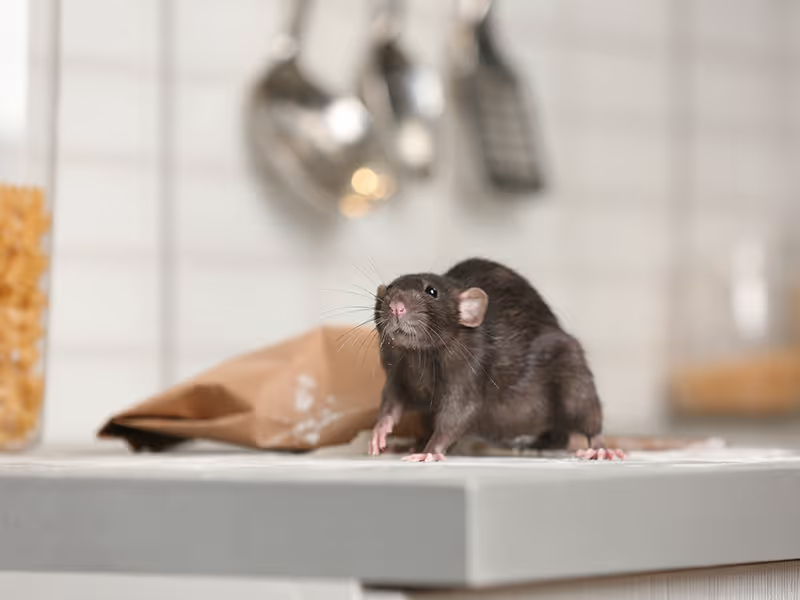
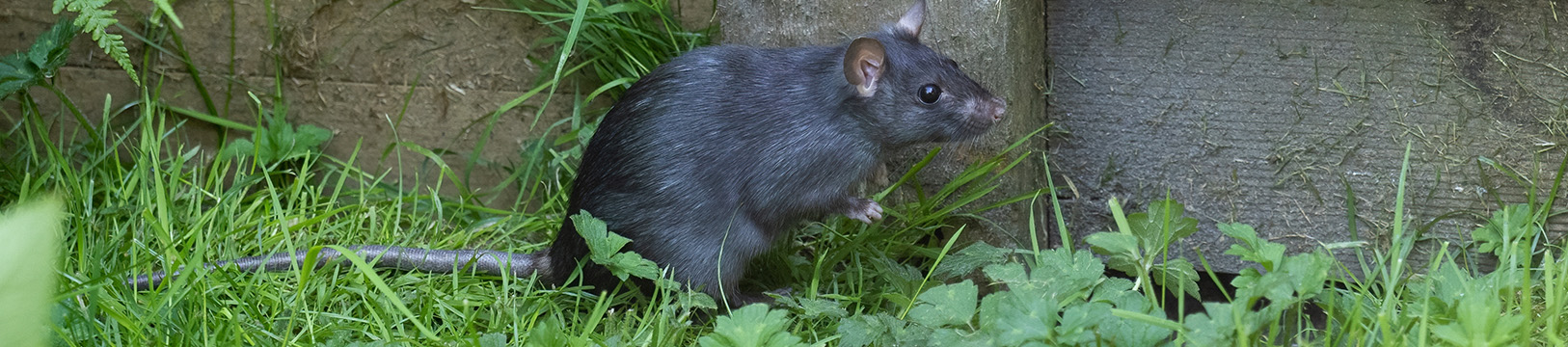
Roof rats are relatively slender, with pointed noses, prominent ears, and long tails. Their proportions are generally more useful for identification than fur color alone.
Quick ID
Although they're sometimes called black rats, roof rats aren't always black. Some have brown or grayish fur, making their body shape and tail length better identification clues.
Roof rats prefer sheltered locations above the ground, although they can also nest or forage at ground level.
Common nesting and hiding places include:
Roof rats may use tree limbs, fences, vines, or utility lines to approach a house. Openings around vents, soffits, and damaged exterior materials can provide access to hidden spaces inside.
Despite their name, roof rats don't always enter through the roof. They can also use openings elsewhere on the structure.
Roof rats are primarily active at night, so homeowners may notice evidence of their presence before seeing one.
Signs to watch for include:
These clues may suggest roof rats, but mice, squirrels, and other animals can leave similar evidence. The location of the activity and the physical characteristics of any rodents found can help distinguish them.
If you're noticing repeated movement overhead or finding fresh droppings, contact Compass Pest Management for help identifying the source.
Roof rats and Norway rats differ primarily in body proportions and typical nesting habits.
Roof rats are slimmer, with pointed noses and tails longer than their heads and bodies combined. Norway rats are generally stockier, with blunt noses and proportionally shorter tails.
While roof rats are more strongly associated with elevated spaces, Norway rats tend to favor burrows and ground-level areas. These preferences aren't absolute, so physical characteristics remain important when identifying the species.
Roof rats take advantage of properties that provide accessible food and shelter. Mature landscaping can also give them places to hide and routes for moving around a home.
Conditions that may encourage activity include:
Even well-maintained properties can experience roof rat activity, particularly when nearby vegetation or structures provide access.
Yes. Roof rats can damage electrical wiring, insulation, wood, and stored belongings through their gnawing and nesting activity.
When they establish themselves in attics or other enclosed spaces, their urine and droppings can contaminate insulation and surrounding materials. They may also carry disease-causing organisms and parasites, including fleas and mites.
Avoid sweeping or vacuuming dry rodent droppings, as this can release contaminated particles into the air. Significant accumulations in attics or other enclosed areas may require professional cleanup.
Roof rats can be challenging to eliminate on your own because they travel along elevated routes, nest in hard-to-reach spaces, and may avoid unfamiliar objects, including traps.
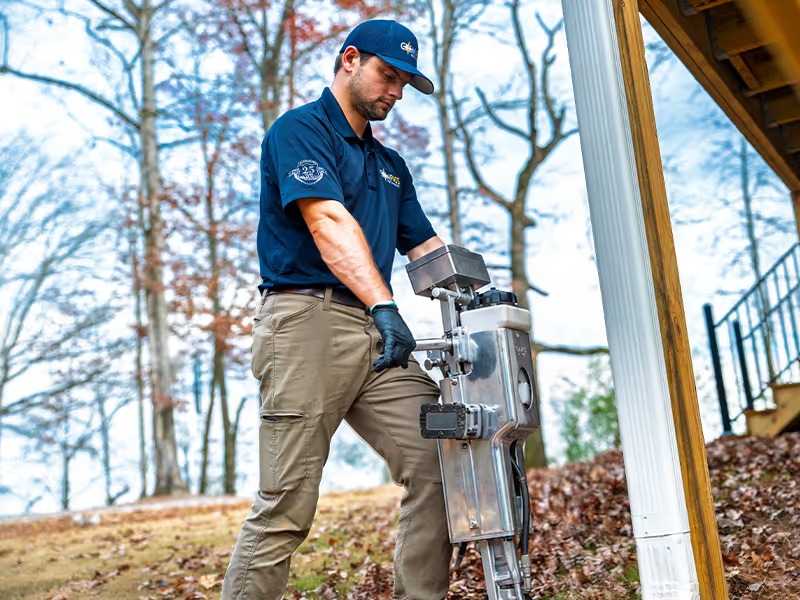
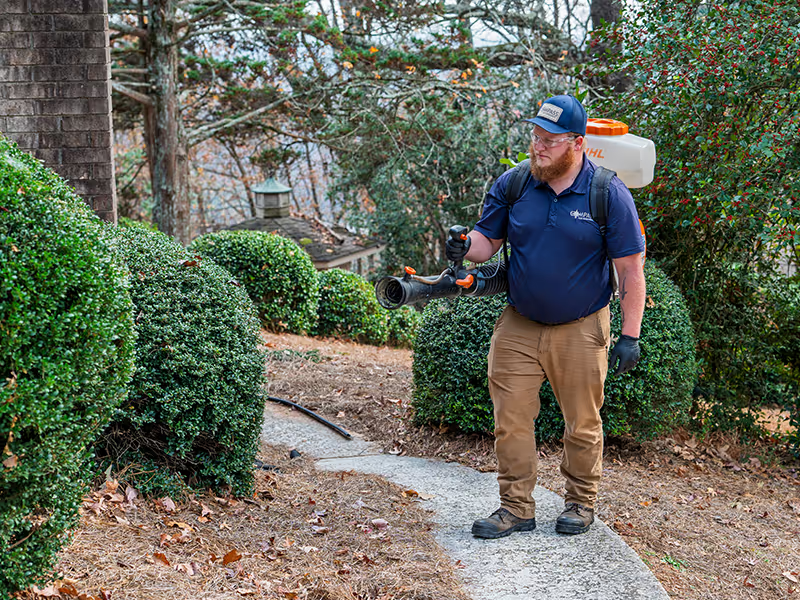
Catching one or two rats doesn't necessarily mean the problem is resolved. Others may remain hidden, and unnoticed openings can allow more to enter. Professional rodent control helps locate activity in difficult-to-access areas and address conditions that allow rats to occupy the home.
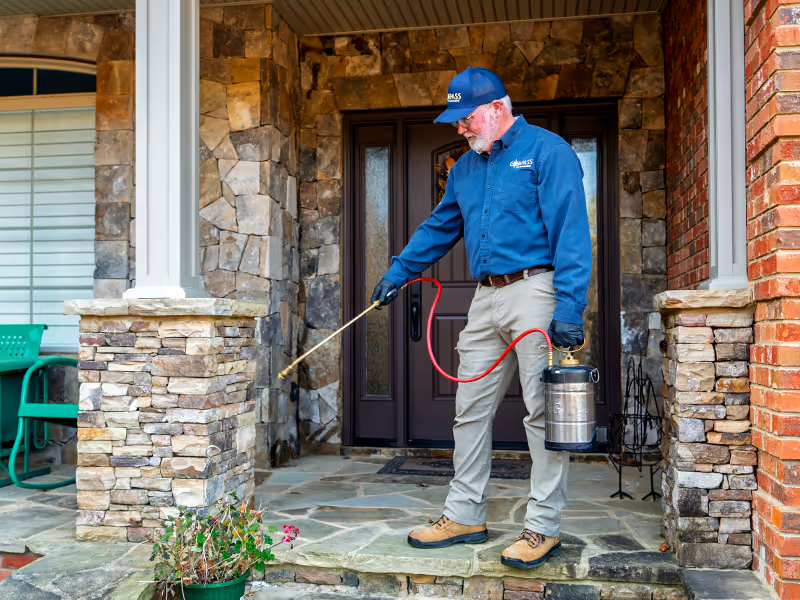
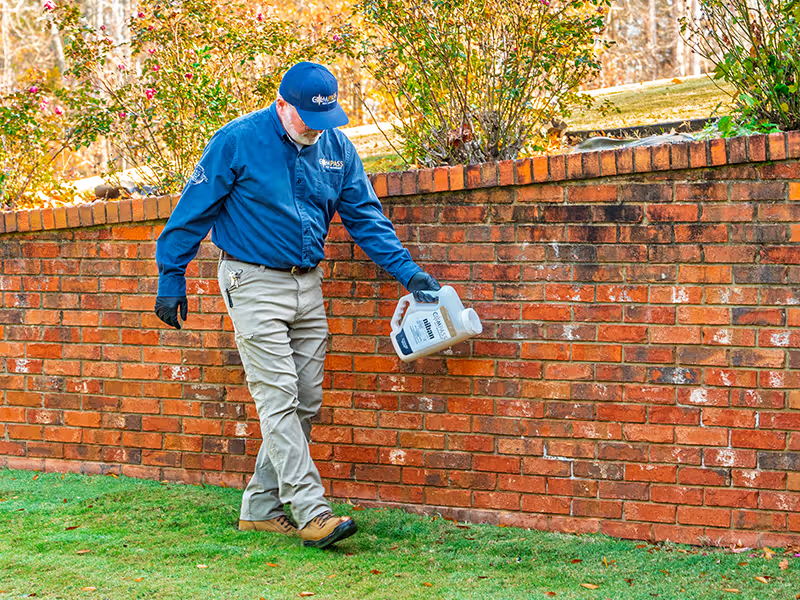
If you suspect roof rats have found their way into your home or business, Compass Pest Management can help.
Our home pest control plans include coverage for rats and mice, as well as many other common household pests. We also offer commercial pest control to protect facilities from rats.
Hearing noises overhead or finding signs of rats around your home? Contact us to request a free estimate.

Dale G has offered his expertise on a number of matters for our home: pest control, moisture control, moisture remediation, and insulation. I always leave the conversation feeling much more knowledgeable and having options. Dale makes us excited to contract Compass.
Anthony R.
Greenville, SC

Professional and friendly service! We are new to the area and happy we selected Compass for our pest control needs.
April Z.
Anderson, SC

I’ve been using Compass for over 5 years now for pest control and mosquito control and they do a great job. They are on time and always very professional. They are very accommodating if I ever needed anything else done like an ant problem in my kitchen.
Penny F.
Cornelia, GA



Helpful Tips & Info