Why Are Ants Coming Into My House in South Carolina & Georgia?
Ants don’t just wander inside by accident. There’s always a reason.
Food Is the #1 Driver
Ants are always searching for food. Even small crumbs, sticky spills, or pet food can attract them.
We see this every day in homes, especially in kitchens, pantries, and around trash areas.
Moisture & Weather Changes
Our climate plays a big role in ant activity.
After heavy rain, ants often move indoors to escape saturated soil. During hot, dry stretches, they come inside in search of water.
That’s why ant problems often seem to appear overnight.
Seasonal Activity
Ant activity shifts throughout the year:
- Spring: colonies grow and expand
- Summer: peak activity indoors and outdoors
- Fall: ants begin moving closer to structures
Warm weather can extend ant activity longer than expected.
Colonies Are Close to Your Home
Most infestations start just outside.
Colonies are often found:
- Along your foundation
- Under mulch or landscaping
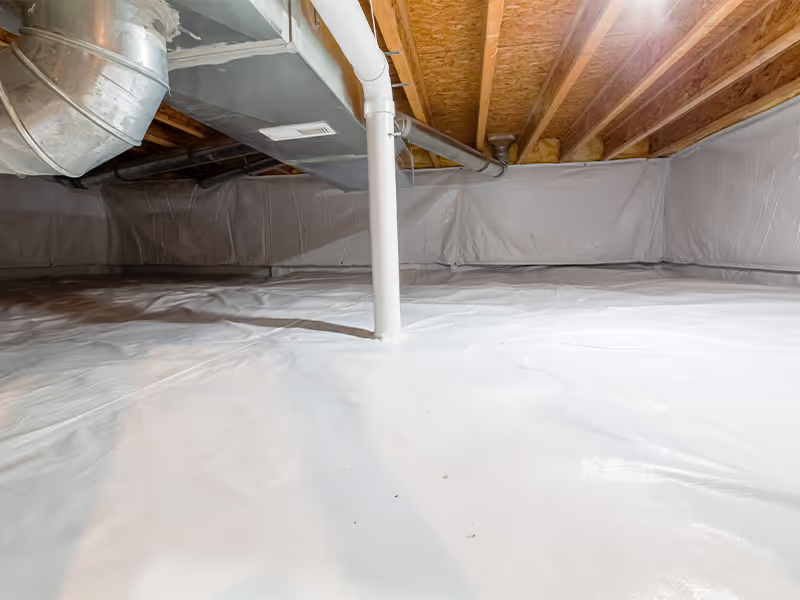
- Inside walls or crawl spaces
The ants you see are just foragers.
What Are the Most Common Ants in South Carolina & Georgia?
The most common ants in South Carolina and Georgia include carpenter ants, odorous house ants, fire ants, and little black ants.
Each behaves differently, which is why identifying the species matters.
Carpenter Ants
These are large ants often mistaken for termites.
They tunnel through wood—especially damp or damaged wood—which can lead to structural issues over time.
If you’re seeing large ants indoors, especially near moisture, it’s worth taking seriously.
Learn more about carpenter ants.
Odorous House Ants (Often Called Sugar Ants)
These are the most common indoor ants we see across South Carolina and Georgia.
They’re attracted to sweets and leave behind scent trails that quickly bring in more ants.
Many homeowners call these “sugar ants,” but that term isn’t a true species—it’s just a nickname for small ants that show up around food.
A key identifier: when crushed, odorous house ants give off a strong, unpleasant odor.
Learn more about odorous house ants.
Fire Ants
Fire ants are one of the most aggressive ant species we deal with in South Carolina and Georgia.
They build mounds in yards and can deliver painful stings when disturbed, making them a real concern for families and pets.
These ants thrive in warm, open areas like lawns, fields, and sunny landscapes.
Because fire ants are typically found outdoors, they often require a different treatment approach than indoor ants.
If you’re dealing with fire ant mounds in your yard, we offer targeted fire ant control services designed to eliminate colonies and reduce activity throughout the season.
Learn more about fire ant control.
Little Black Ants
Little black ants are another small species that may show up indoors, especially around food.
They are less common than odorous house ants in our area, but they behave similarly—forming trails and gathering quickly in kitchens and pantries.
Because they look similar to other small ants, they’re often grouped under the general term “sugar ants,” which can make identification tricky.
Acrobat Ants
Acrobat ants are less common but still show up in parts of South Carolina and Georgia.
They often nest in wood, especially where moisture damage is present, which can sometimes lead homeowners to confuse them with carpenter ants.
One unique trait: when disturbed, they may raise their abdomen over their head.
If you’re already seeing ant activity in or around your home, Compass Pest Management can help you accurately identify and eliminate the problem. Schedule an inspection.
Where Do Ants Usually Show Up in Your Home?
Ants don’t appear randomly. They follow patterns.
Here’s where we most often see them:
- Kitchens: countertops, cabinets, and pantries
- Bathrooms: around sinks and moisture sources
- Windows and doors: entry points from outside
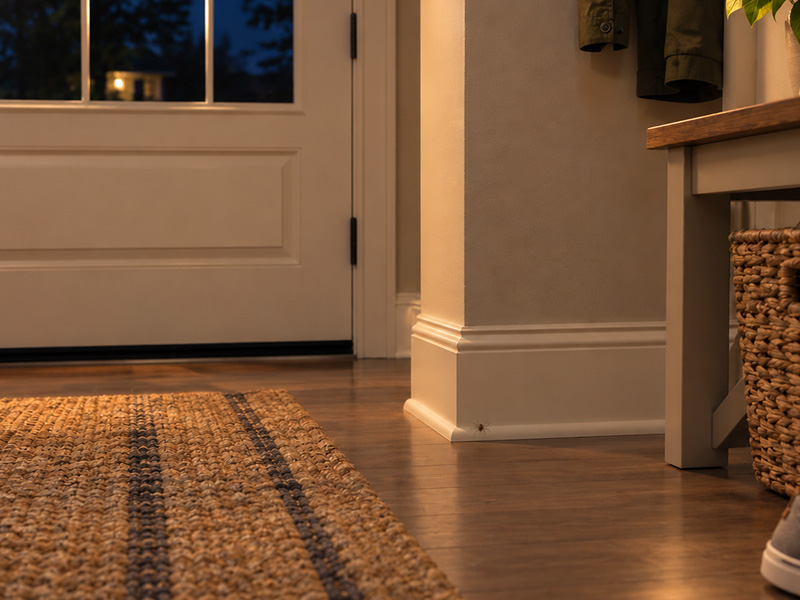
- Baseboards and walls: hidden trails
- Crawl spaces: especially in humid conditions
- Near pet food: a consistent food source
If you’re noticing activity in multiple areas, the colony is likely well established.
How Ants Enter Homes
Ants don’t need much space to get inside. In many cases, they’re entering through openings you’d never notice.
In South Carolina and Georgia, our warm, humid climate—and features like crawl spaces, brick exteriors, and dense landscaping—make it easier for ants to nest close to homes and find their way inside.
Common entry points include:
- Cracks in the foundation
- Gaps around windows and doors
- Openings around plumbing and utility lines
- Small gaps in siding or brick, including around weep holes
- Gaps under garage doors or worn door seals
Once one ant finds a way in, it leaves a scent trail that leads others to the same entry point.
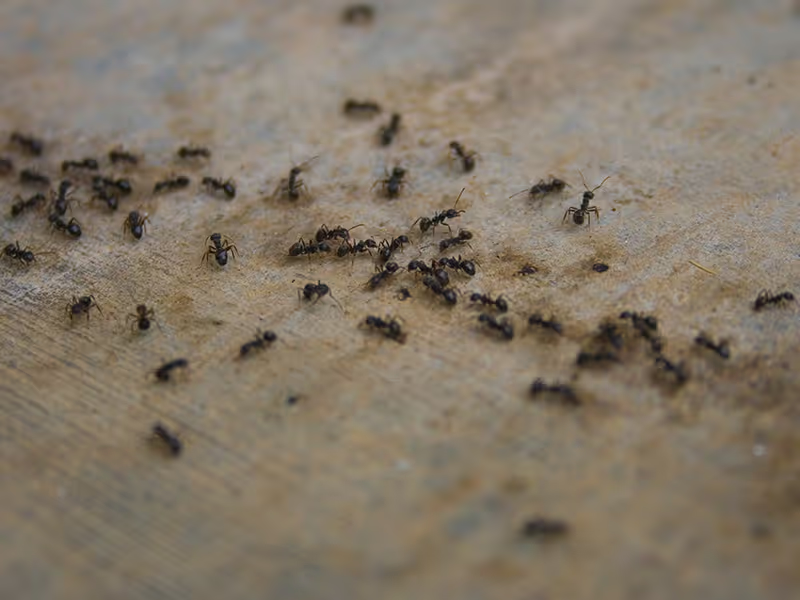
That’s why you’ll often see a steady line of ants coming from the same area.
In many homes, there isn’t just one entry point—there can be several.
How Do You Know If You Have an Ant Infestation?
Some signs are obvious. Others are easy to miss.
Look for:
- Trails of ants along surfaces
- Sudden activity after rain
- Small piles of debris or sawdust-like material
- Winged ants indoors (especially in spring)
- Ant mounds in your yard
In some cases, winged ants can be confused with termites, since both send out swarmers at certain times of year.
Not sure what you’re seeing? Learn the difference between ants and termites.
If these signs keep showing up, there’s usually a larger colony nearby.
Why Do Ants Keep Coming Back After DIY Treatment?
This is one of the most common frustrations we hear from homeowners.
You treat the ants… and for a few days, it seems like it worked. Then they’re right back where they started.
You’re Only Seeing a Small Part of the Colony
The ants you see are just a fraction of the problem.
The real colony is hidden—often outside, under your home, or inside walls—where DIY treatments can’t reach.
Most DIY Treatments Don’t Reach the Source
Over-the-counter sprays and store-bought solutions are designed to kill visible ants, not eliminate the colony.
That means:
- You’re only treating symptoms
- The source of the problem is still active
- New ants will keep coming back
In some cases, these treatments make things worse by causing colonies to split and spread into new areas.
Ant Colonies Are Built to Survive
Many common ants in South Carolina and Georgia can:
- Have multiple queens
- Form satellite colonies
- Rebuild quickly after partial treatment
That’s why DIY solutions often feel like they “work”—but only temporarily.
Why Professional Treatment Is Different
Effective ant control isn’t about killing the ants you see—it’s about eliminating the colony.
That requires:
- Correct species identification
- Locating the nesting site
- Using targeted treatments that reach the source
If ants keep coming back after DIY treatment, it’s not because you’re doing something wrong—it’s because the problem hasn’t been fully eliminated.
How Do You Get Rid of Ants Permanently?
There’s a big difference between reducing ants and actually solving the problem.
What Helps Reduce Ant Activity
You can make your home less attractive to ants by:
- Keeping food sealed and surfaces clean
- Fixing moisture issues
- Sealing entry points
- Keeping mulch and debris away from your foundation
These steps help—but they don’t eliminate an infestation.
What Actually Solves the Problem
To stop ants from coming back, you have to eliminate the colony.
That requires:
- Identifying the species
- Finding the nesting site
- Using targeted treatment methods
At Compass Pest Management, we focus on solving the root issue—not just what you see on the surface.
Professional Ant Control in South Carolina & Georgia
Ant control isn’t one-size-fits-all—and it’s rarely a one-time fix.
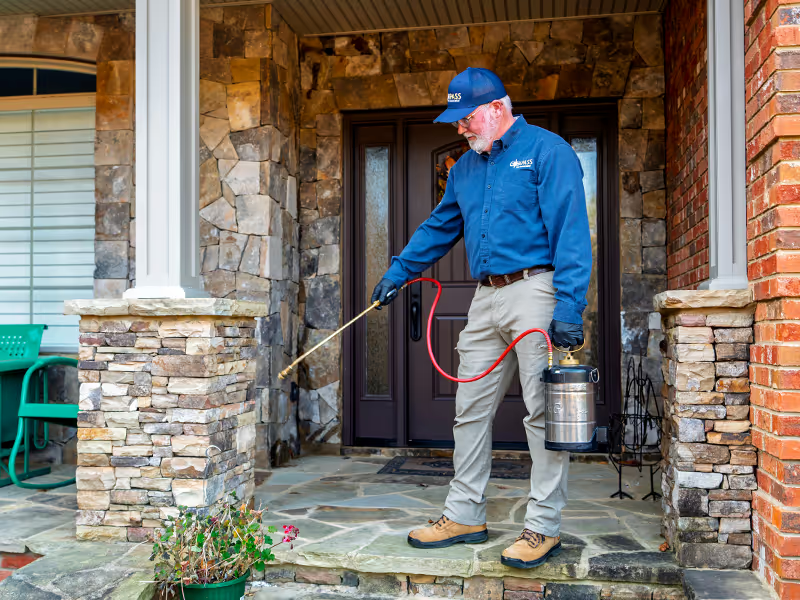
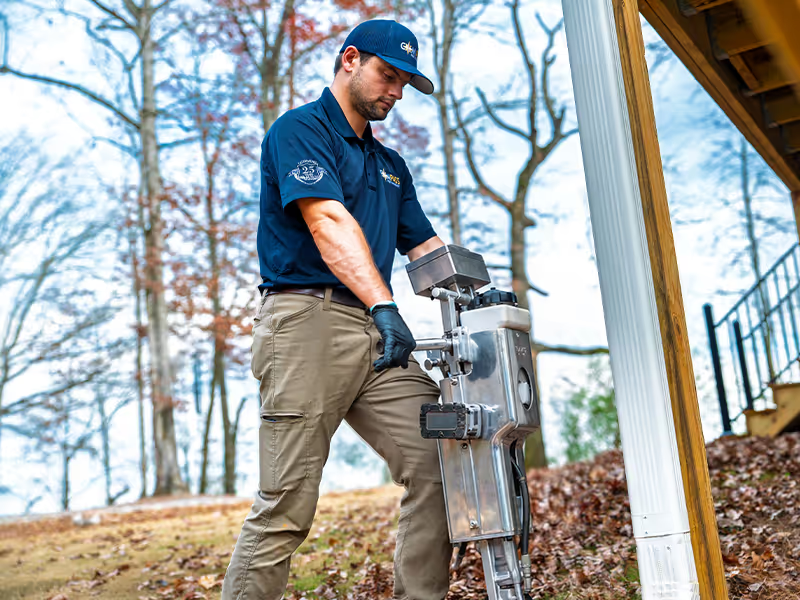
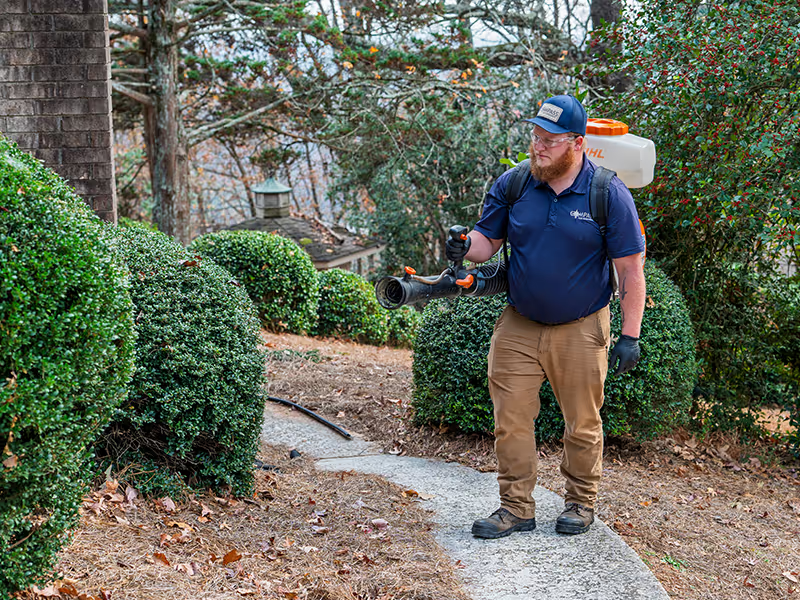
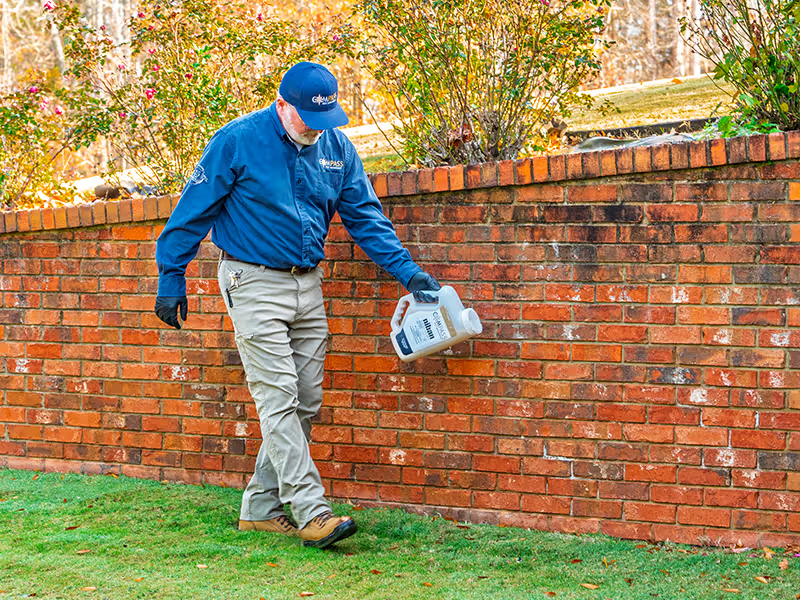
Different ants require different strategies, and timing matters. That’s why at Compass Pest Management, we focus on long-term solutions—not just quick treatments.
Our residential pest control services are designed to protect your home year-round, keeping ants and other common household pests from coming back.
What That Looks Like
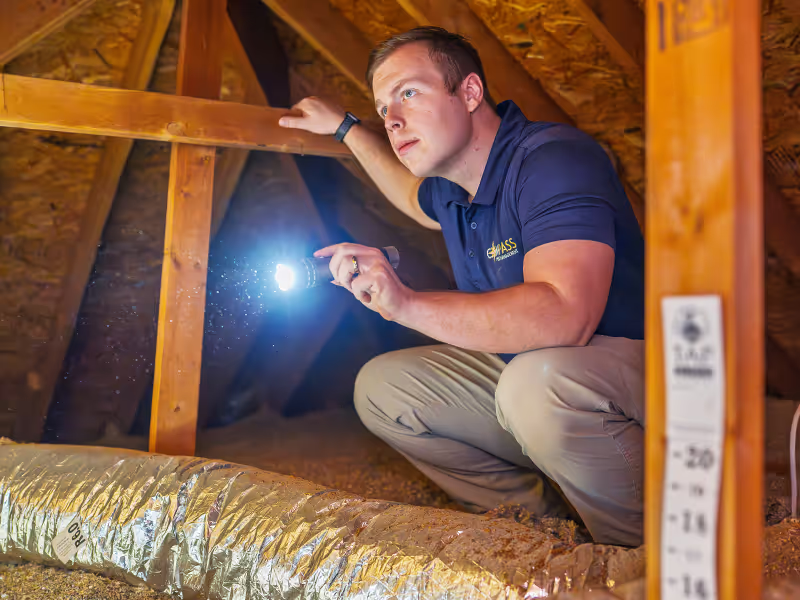
- Thorough inspection and identification
We identify the type of ant and the source of the activity so we can treat it correctly the first time. - Targeted treatment that eliminates the source
We focus on the colony—not just the ants you see—so the problem doesn’t keep coming back. - Ongoing protection throughout the year
Regular service helps prevent ants and other common household pests from returning as seasons change.
Instead of reacting to ants whenever they appear in the kitchen, bathroom, or other areas, our approach helps prevent infestations before they start.
Common Questions About Ants in South Carolina & Georgia
Why do ants suddenly appear in my house?
Usually, because they’ve found food, moisture, or weather conditions have pushed them inside.
Are ants worse after it rains?
Yes. Rain can flood outdoor nests and drive ants indoors.
Do ants mean my house is dirty?
No. Even clean homes can attract ants. They’re usually coming inside in search of food, water, or shelter—especially during weather changes or seasonal activity.
Are carpenter ants dangerous?
Not to people, but they can damage your home. Over time, they tunnel through wood, which can lead to structural issues if left untreated.
Stop Ants from Coming Back for Good
If you’re dealing with ants in your home or yard, you don’t have to keep chasing the problem.
Most ant issues don’t go away on their own—and if they keep coming back, it usually means the source hasn’t been eliminated.
At Compass Pest Management, we don’t just treat the ants you see. We find the colony, eliminate it, and put a plan in place to keep ants and other pests from coming back.
With year-round residential pest control, your home stays protected through every season—so you’re not dealing with the same frustration over and over again.
As a local, family-owned company serving Greenville, Cornelia, and surrounding areas since 1995, we understand how pests behave here—and what it takes to keep them out.
If you’re ready for a long-term solution—not another temporary fix—we’re here to help.
Request your quote today or give us a call to get started.