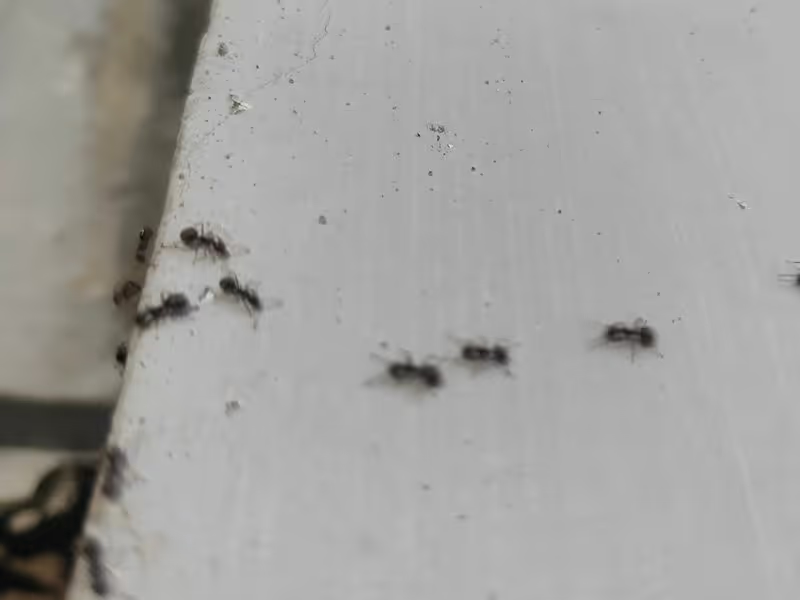
Why Ant Activity Spikes After It Rains
Ant colonies are already nearby. Usually closer than you think.
Rain just forces them to change course—fast.
Flooded Nests Push Ants Out
Most ants live underground, and their tunnels aren’t built for heavy rain. When the soil gets saturated, parts of the colony flood. So the ants move to higher, drier ground. Around here, that usually means they end up near your foundation, in the garage, under porches, inside crawl spaces—or eventually inside your home. Fire ants are especially active after rain. Instead of drowning, they can float and relocate, which is why new mounds seem to appear almost overnight.
Moisture Makes Your Home More Attractive
After rain, everything stays damp longer.
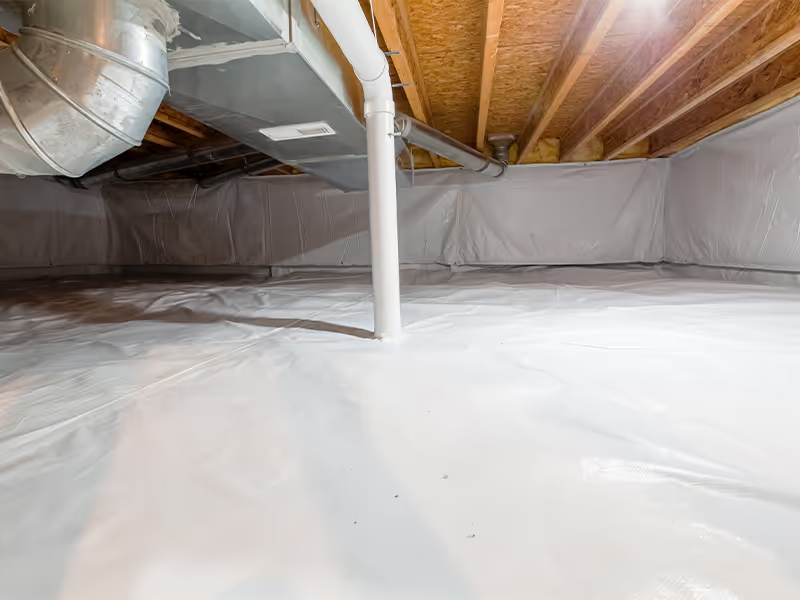
Crawl spaces hold moisture. Mulch stays wet. Humidity lingers.
That creates a more comfortable environment for ants.
If your home already has moisture issues, rain tends to amplify them. That’s why many homeowners notice ants at the same time as musty smells, condensation, or damp areas.
Rain Disrupts Their Food Supply
Rain also shakes up what ants rely on outside.
Food sources get washed away. Trails break down. Other insects disappear or move.
So the colony starts searching for something more reliable.
And when they find easy access to food inside your home—crumbs, pet bowls, trash—they stick with it.
Warm, Wet Weather Speeds Everything Up
In South Carolina and Georgia, rain usually comes with warmth.
That combination is ideal for ants.
So you’re not just seeing movement—you’re often seeing more activity, larger populations, and more persistent trails.
It’s something we see in homes across this area every year.
Common Ants You’ll See After Rain Around Here
Not all ants behave the same. And in our area, a few types show up again and again after storms.
Odorous House Ants
Odorous house ants are the classic ants trailing across counters and are often found in kitchens.
Also called sugar ants, they often nest outside but move closer to homes when conditions shift.
Carpenter Ants
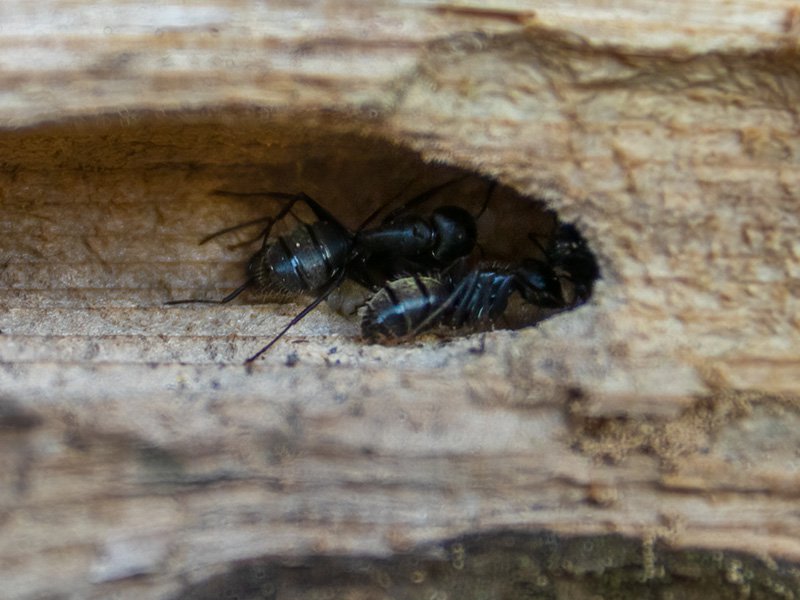
Carpenter ants go after damp or weakened wood.
After rain, we often see them around decks, window frames, and areas with ongoing moisture.
Argentine Ants
These are small ants that show up in large numbers.
When their outdoor environment changes, Argentine ants quickly form steady trails indoors—especially around kitchens and sinks.
Pharaoh Ants
Pharaoh ants are tiny, light-colored ants that can spread if handled the wrong way.
This is one of the biggest reasons quick sprays often don’t solve the problem.
Fire Ants
Fire ants are a major concern in both Georgia and South Carolina.
After rain, mounds often reappear quickly. And flooding doesn’t eliminate them—it can actually spread them.
Why Store-Bought Sprays Usually Don’t Solve It
It’s tempting to grab a spray and deal with what you see.
And for a day or two, it might seem like it worked.
But those ants are just a small part of a much larger colony.
Killing the visible ants often scatters the rest. They regroup, find new paths, and come right back.
In some cases, it can even make the problem worse.
That’s where most DIY attempts fall apart—especially after rain when multiple colonies can be active at once. What looks like a quick fix turns into a repeating problem.
When Ants Are More Than Just A Temporary Spike
Seeing a few ants after a storm isn’t unusual.
But some patterns usually mean there’s more going on:
- Trails that come back daily
- Ants showing up in multiple rooms
- Activity in bathrooms or near moisture
- Repeated mound buildup in the same areas
- Ants around outlets or along walls
If the problem keeps coming back, it’s worth looking at a more targeted approach to ant control. Getting ahead of it now is a lot easier than dealing with it after the next round of rain.
Residential Pest Control For Ant Problems In South Carolina & Georgia
Getting rid of ants isn’t about chasing the ones you see.
It’s about stopping what’s happening around your home.
You’re dealing with a colony—often more than one—and they’re adjusting to changes in moisture, food, and shelter after rain. That’s why quick fixes tend to fall short.
And where you live plays a big role in how bad this gets.
In Upstate South Carolina and Northeast Georgia, long warm seasons, frequent rainfall, and wooded neighborhoods create steady ant pressure. We see the same patterns play out every year—especially right after storms.
We’ve been helping homeowners solve problems like this for over 30 years, which is why our approach is different from what you’d try on your own.
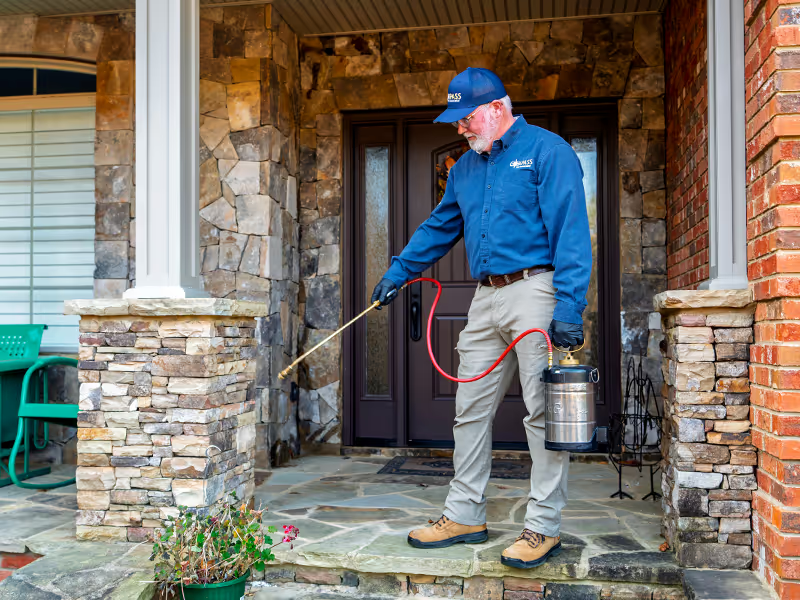
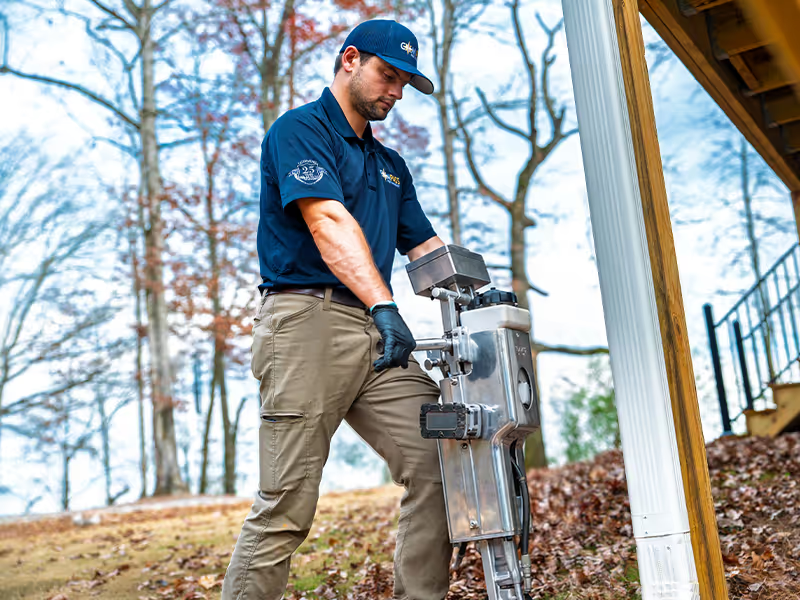
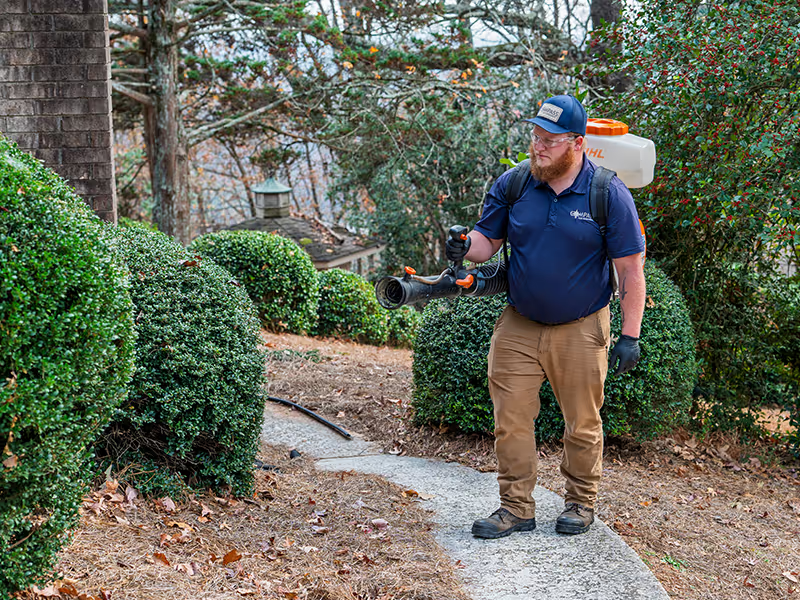
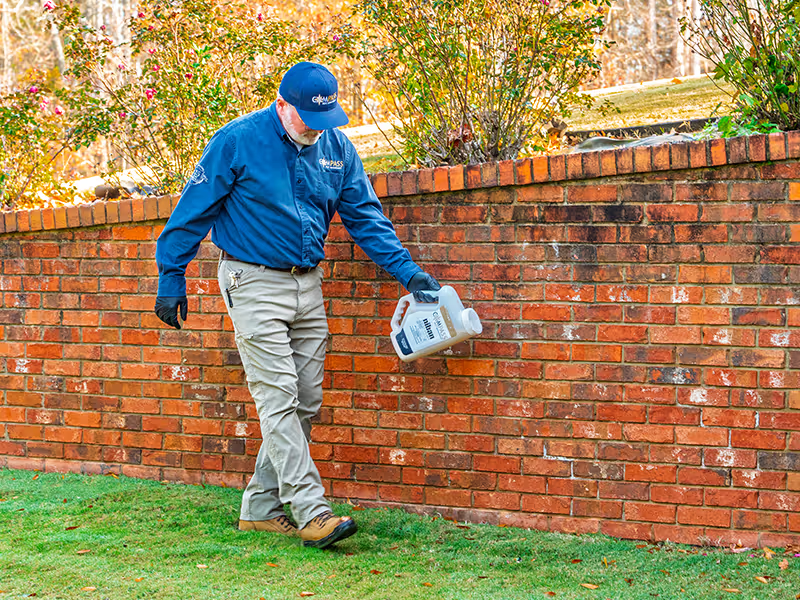
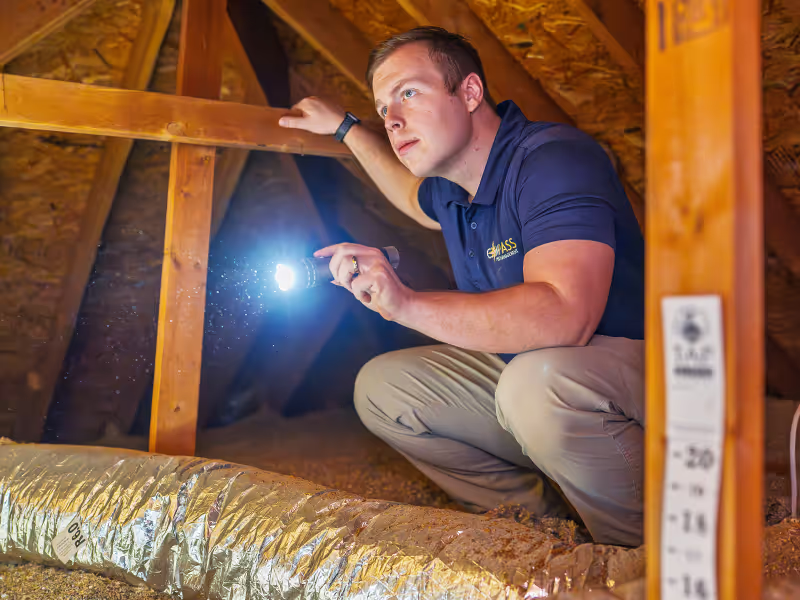
Our residential pest control plans are built around how ants actually behave in this area. We start with a detailed inspection, treat the problem at the source, and put ongoing protection in place so ants aren’t coming right back in after the next rain.
So instead of reacting every time the weather changes, you have a plan that keeps your home protected—rain or shine.
Ant FAQs After Rain In South Carolina & Georgia
Do ants come out before it rains?
Sometimes. Ants can become more active before a storm because of changes in humidity and air pressure. But they’re not predicting rain—they’re reacting to shifting conditions.
In most cases, the bigger spike in activity happens after the rain, when moisture and soil conditions change more dramatically.
Why do ants seem more aggressive or noticeable after rain?
After rain, ants are actively searching for new food and dry areas. That increased movement can make them seem more aggressive or more noticeable than usual.
How long do ants stick around after it rains?
It depends on what they find. If they’re just passing through, activity may slow as things dry out. But if they’ve found food or shelter inside, they can stick around and become a recurring problem.
Does rain wash away ant treatments?
Light rain usually isn’t an issue. But heavy rain—especially right after a treatment—can reduce how well some products perform.
At Compass Pest Management, we plan for that. Depending on the weather, we may adjust timing or treatment methods to make sure your protection holds up and stays effective.
Stop The Ants Before The Next Storm
If ants show up every time it rains, there’s a reason—and it’s not going to fix itself.
Compass Pest Management helps homeowners across Upstate South Carolina and Northeast Georgia, including Greenville and Cornelia, solve the problem at the source, so you’re not dealing with the same issue after every storm.
As a local, family-owned company serving the area since 1995, we’ve helped over 10,000 homeowners protect their homes—and we’re proud to maintain a 5.0-star rating from over 800 Google reviews.
Contact our local pest control team and we’ll walk you through what’s going on and how to fix it.
if(window.strchfSettings === undefined) window.strchfSettings = {};
window.strchfSettings.stats = {url: "https://compass-pest-management.storychief.io/why-ants-get-worse-after-rain-in-south-carolina-georgia?id=275559954&type=26",title: "Why Ants Get Worse After Rain In South Carolina & Georgia",siteId: "23661",id: ""};
(function(d, s, id) {
var js, sjs = d.getElementsByTagName(s)[0];
if (d.getElementById(id)) {window.strchf.update(); return;}
js = d.createElement(s); js.id = id;
js.src = "https://d37oebn0w9ir6a.cloudfront.net/scripts/v0/strchf.js";
js.async = true;
sjs.parentNode.insertBefore(js, sjs);
}(document, 'script', 'storychief-jssdk'))