What Are Flying Ants and Termite Swarmers?
Before getting into the differences, it helps to understand what you're actually seeing.
The winged ants and termites you see are reproductive members of the colony looking to start new nests. When conditions are right — warm temperatures, higher humidity, and often after rain — they leave the nest to mate and start new colonies.
Many ant species produce winged reproductives during mating season. Carpenter ants, fire ants, and odorous house ants all swarm at various points throughout spring and summer.
Termite colonies do the same thing.
That's why both tend to show up around the same time in South Carolina and Georgia — late winter through early summer — and why they're so easy to confuse.
But that's where the similarities end. Even though they look alike from a distance, they're very different insects — and the risks they pose to your home are very different too.
If you're already concerned about what you're seeing, schedule a termite inspection and let our team take a closer look.
How to Tell Flying Ants from Termite Swarmers
Here's what to look for if you find winged insects in or around your home.
Wings
This is the easiest way to tell them apart.
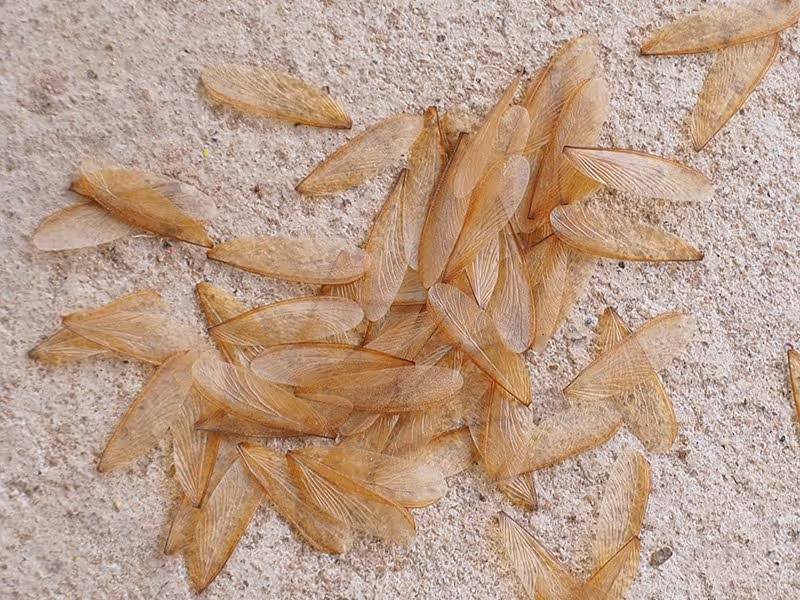
Termite swarmers have two pairs of wings that are equal in length. The wings are longer than the body and look almost translucent.
Flying ants have two pairs of wings that are different sizes — the front pair is noticeably larger than the back pair.
Termites also shed their wings after swarming. If you're finding small, clear wings near windowsills, doors, or light fixtures — that's a strong indicator of termite activity.
Body Shape
Termite swarmers have a thick, straight body with no defined waist. Their midsection flows straight from head to abdomen.
Flying ants have a pinched, narrow waist between the thorax and abdomen. It's easy to see once you know what to look for.
Antennae
Termites have straight, bead-like antennae.
Flying ants have bent or elbowed antennae.
Putting It All Together
The easiest way to remember the differences: termite swarmers look uniform — equal wings, straight body, straight antennae. Flying ants look segmented — uneven wings, a pinched waist, and bent antennae.
Color can help, too. Termite swarmers tend to be pale to dark brown, while flying ants vary quite a bit — black, brown, or reddish depending on the species.
One more thing to watch for: termites almost always shed their wings after landing. If you're finding small, translucent wings scattered on a windowsill or near a door but no insects in sight, that's a strong sign of termite activity. Flying ants usually keep their wings.
If you're not sure what you're seeing, save a sample or take a photo. Our technicians can identify it quickly.
Where You'll Usually Find Swarmers in South Carolina & Georgia
In our area, termite swarms most often happen between February and May, though warmer weather can shift the timing earlier or later.
Inside Your Home
Swarmers are attracted to light, so you'll often find them near windows, sliding glass doors, and light fixtures. Discarded wings on windowsills, along baseboards, or near doors are one of the most common signs homeowners notice first.
If you're seeing swarmers inside, that usually means a colony is close — possibly in the walls, crawl space, or under the foundation.
Outside Your Home
Swarms don't just happen indoors. You might see a cloud of winged insects rising from the soil near your foundation, around tree stumps, along fence posts, or near landscape timbers. Mulch beds close to the house, wood piles, and areas with poor drainage are common launch points.
Outdoor swarms are easy to dismiss — they happen fast and the insects scatter. But a termite swarm near your foundation is still a warning sign. The colony is nearby, and it doesn't take much for termites to find their way inside.
Flying ants swarm in many of the same outdoor spots, especially around nests in the yard or near wooded areas. That's part of the reason they're so easy to confuse.
When to Worry: What Flying Insects Near Your Home Really Mean
Not every winged insect near your window is a crisis. But some situations should get your attention fast.
Termite Swarmers Near or Inside Your Home
This is where concern goes up significantly.
Termite swarmers inside your home often mean a colony is already established nearby — possibly in or under the structure itself.
Eastern subterranean termites, the most common species in our region, work quietly below the surface. By the time you see swarmers, the colony may have been active for years.
Here's what makes this serious:
- Subterranean termites can cause structural damage that's hidden behind walls and under floors
- Homeowner's insurance typically does not cover termite damage
- The longer the activity goes undetected, the more expensive the repairs
That's why we always recommend getting a professional inspection if you see any winged insects that could be termite swarmers — especially if you're also finding discarded wings indoors.
If you're in the Greenville or elsewhere in our service area, here's what to expect from a termite inspection.
Year-Round Risk in Our Climate
One thing homeowners in our region should keep in mind: our warm, humid climate means termite activity can happen year-round. Swarms are just the most visible sign. If conditions around your home are right — moisture issues, wood-to-soil contact, cracks in the foundation — termites don't need to swarm for a colony to thrive.
For a deeper look at termite swarm timing and what to do if you find wings, check out our termite season guide for Georgia.
Flying Ants Near Your Home
Seeing flying ants usually means a mature ant colony nearby is sending out reproductives. It doesn't always mean your home is at risk of structural damage — unless you're dealing with carpenter ants, which tunnel through damp or damaged wood.
Most flying ants homeowners see in South Carolina and Georgia are carpenter ants and odorous house ants — both pests our home pest control service can help manage. Fire ants also swarm; find out how our fire ant control stops these stinging pests.
If you're not sure which ants you're dealing with, our ant control guide breaks down the most common species in our area and what to expect from each.
What to Do If You See a Swarm
Whether you spotted winged insects inside your home or watched a swarm rise from the soil near your foundation, the best next step is the same — call a professional.
Trying to figure out on your own whether you're looking at flying ants or termite swarmers wastes valuable time. Our technicians deal with this every day and can identify the insect quickly, assess whether there's a threat to your home, and recommend the right treatment if needed.
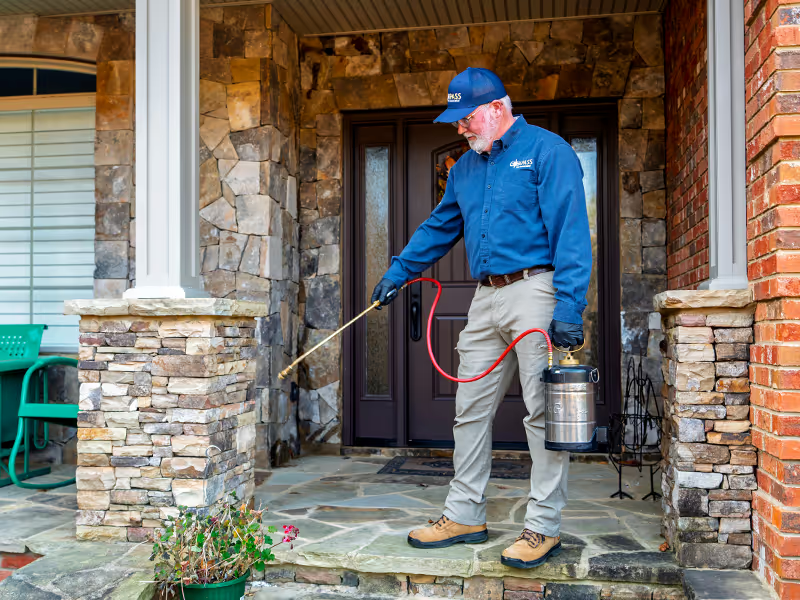
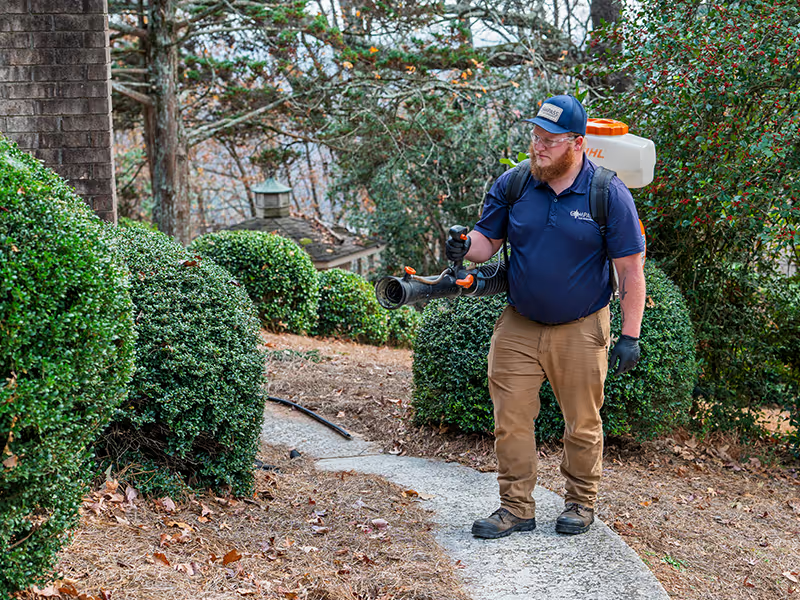
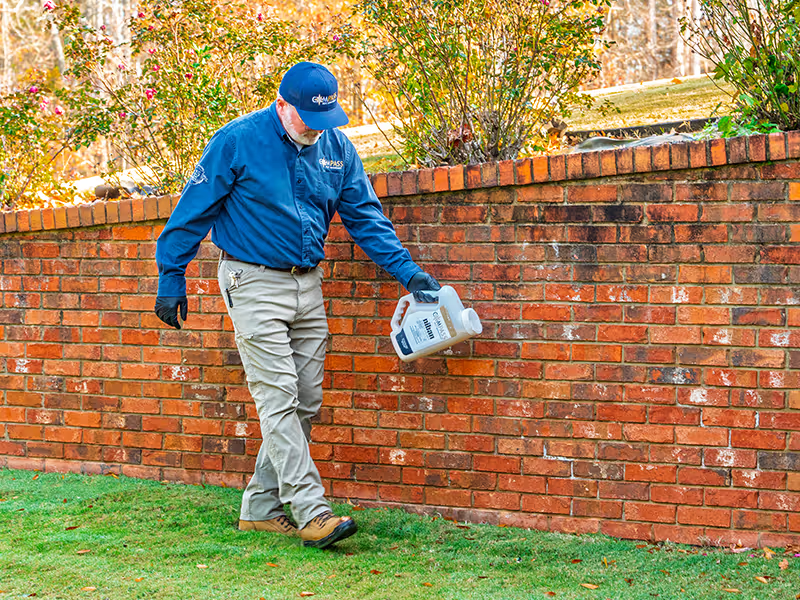
At Compass Pest Management, we'll come out, inspect the area, and give you a clear answer. If it's termites, we'll walk you through treatment options before the damage gets worse. If the insects turn out to be ants instead, we can also recommend the right home pest control solution to keep them under control.
Either way, you'll know what you're dealing with — and you won't have to guess.
Why You Shouldn't Wait on a Termite Concern
We understand the temptation to wait and see if the winged insects come back. But with termites, waiting usually means more damage.
Subterranean termites eat wood from the inside out. They don't leave obvious trails on the surface. A colony can work through your home's framing, floor joists, and support beams for months — even years — before the damage becomes visible.
The national average for termite damage repair runs into the thousands of dollars. And again, most homeowner's insurance policies don't cover it.
The good news: catching termite activity early makes treatment far more straightforward. And if it turns out you're dealing with flying ants instead, you'll have peace of mind — which is worth the call.
How Compass Treats Termites in SC & GA
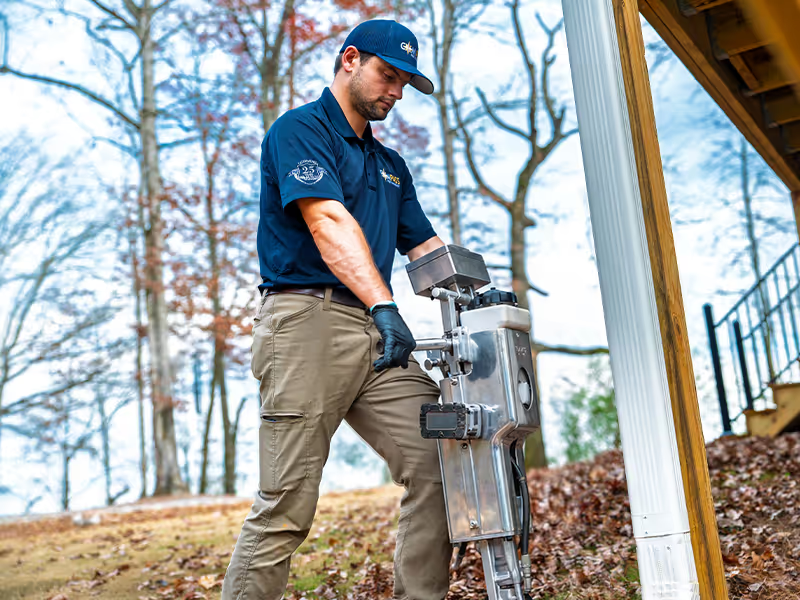
If our inspection confirms termite activity, we use Termidor® HP II — a professional-grade liquid termite treatment that creates a continuous protective barrier around your home.
Here's how it works:
- Our technicians inject Termidor directly into the soil around your foundation using high-pressure equipment
- Termites that contact the treated soil unknowingly carry it back to the colony
- Over time, this eliminates the colony at its source — not just the termites you can see
Every treated home receives a re-treatment warranty, and qualifying homes may also be eligible for a $1 million termite damage warranty. Both are renewable and transferable with an annual inspection.
Learn more about our termite control services.
FAQs About Flying Ants and Termite Swarmers
Can flying ants cause damage to my home?
Most flying ants don't cause structural damage. The exception is carpenter ants, which tunnel through damp or damaged wood to build nests. If you're seeing large, winged ants — especially near moisture — it's worth getting them identified.
Can I treat termites myself?
Over-the-counter sprays and baits are not effective against subterranean termite colonies. These products may kill the termites you see on the surface, but they won't reach the colony underground — which is where the real problem is. Professional treatment is the only reliable way to eliminate an active infestation and protect your home long-term.
Can termites swarm more than once?
A single termite colony usually swarms once per year, but multiple colonies in the same area can swarm around your home during the same season. That's why some homeowners notice winged termites more than once in spring.
Are flying ants attracted to lights like termites?
Yes. Both flying ants and termite swarmers are attracted to lights, especially at night. That's one reason homeowners often find them near windows, doors, and outdoor light fixtures during swarming season.
Don't Guess — Get It Identified
If you've spotted winged insects in or around your home and you're not sure whether they're flying ants or termites, don't wait to find out the hard way.
Compass Pest Management has been protecting homes across Upstate South Carolina and Northeast Georgia since 1995.
We're a local, family-owned company with offices in Greenville and Cornelia — and we've helped more than 10,000 homeowners protect their biggest investment.
Whether it's a termite issue or an ant problem, we're here to help.
Request your free quote today.
This article was originally published as Distinguishing Ants from Termites: A Tale of Two Ferocious Adversaries on February 15, 2024, and has since been updated with new information.