Cockroach Activity in South Carolina and Georgia
Warm temperatures allow roaches in South Carolina and Georgia to remain active for much of the year. High humidity and frequent rainfall provide moisture, while periods of heavy rain can disturb outdoor hiding places and prompt some cockroaches to seek drier shelter. Hot, dry conditions may also lead them to search for moisture. Learn more about why cockroach activity often increases during summer in South Carolina and Georgia.
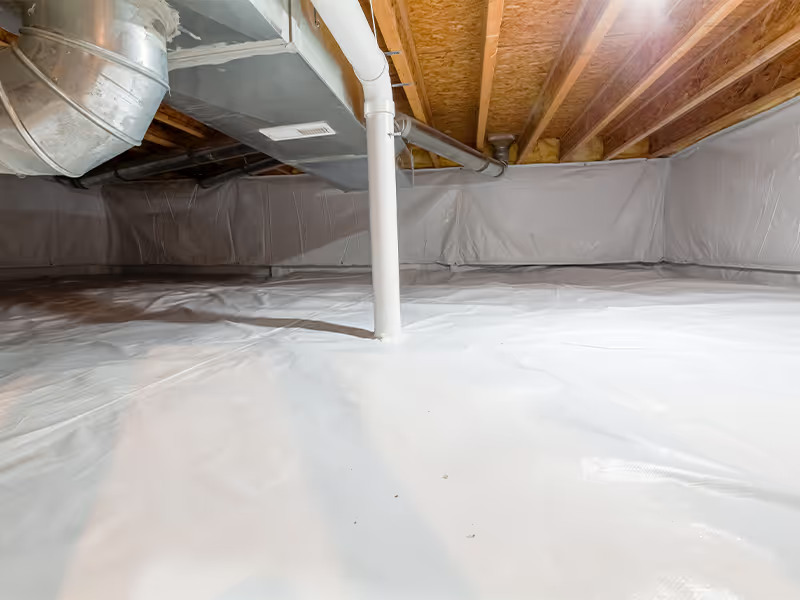
Around homes and businesses, wooded properties, leaf litter, mulch, drains, crawl spaces, and other protected areas can provide plenty of places to hide. A small plumbing leak, crumbs underneath an appliance, pet food left out overnight, or a damp crawl space may also provide cockroaches with the resources they need.
That means cockroach activity isn't necessarily a sign of a dirty or poorly maintained property. Even well-kept homes and businesses can experience problems, especially when roaches are already active nearby.
Common Cockroach Species in Our Area
Several cockroach species can cause problems in Upstate South Carolina and Northeast Georgia. Identifying the species matters because different roaches favor different environments and can behave differently around structures.
German cockroaches are small roaches that establish infestations in homes and buildings and spread quickly once introduced.
American cockroaches are large roaches often associated with damp areas and may move between outdoor environments and structures.
Smokybrown cockroaches are outdoor cockroaches that thrive in the warm, humid Southeast and are often found around properties where moisture and shelter are available. They can also move into buildings and become a problem indoors. Like several large cockroach species in the region, they may also be called palmetto bugs.
Oriental cockroaches favor cool, damp environments and are typically associated with outdoor or below-grade areas. They may also move inside and survive in damp spaces such as basements and crawl spaces.
Why Are Cockroaches in My Home?
Cockroaches are looking for the same basic things most pests need: food, water, and shelter.
Depending on the species, they may enter through gaps around doors and windows, cracks and openings in the structure, utility penetrations, garages, crawl spaces, and other access points. Some may also be carried inside in cardboard boxes, bags, furniture, appliances, or other belongings.
Once indoors, a home can provide plenty of resources, including:
- Crumbs, grease, and food debris
- Open or poorly stored food
- Pet food and water
- Leaking pipes and faucets
- Condensation and other sources of moisture
- Cardboard and clutter
- Dark, protected hiding places
Roaches generally stay out of sight when they can. Depending on the species and conditions in the home, they may hide under or behind appliances, inside cabinets, around plumbing, in cracks and wall voids, near water heaters, in garages, crawl spaces, attics, or other protected areas.
That's one reason treating only the spot where you saw a cockroach may not solve the problem.
How Do I Know If I Have a Cockroach Problem?
One cockroach sighting doesn't always mean there are hundreds hiding nearby. At the same time, repeatedly seeing roaches shouldn't be ignored.
Possible signs of cockroach activity include:
- Live cockroaches, especially repeated sightings
- Small or immature cockroaches
- Cockroaches appearing during daylight hours
- Droppings in cabinets, drawers, or other protected areas
- Egg cases
- Activity around appliances, plumbing, or food-storage areas
- Cockroaches appearing in multiple areas of the property
The type of cockroach, where you're seeing it, and how often you're seeing activity all matter.
For example, a large outdoor cockroach that finds its way into a garage after a period of wet weather may represent a different problem than small cockroaches repeatedly appearing around a kitchen.
Health and Sanitation Concerns
Cockroaches are more than an unpleasant pest to find inside a home or business.
Because they can travel through unsanitary areas and then move across countertops, food-preparation surfaces, storage areas, equipment, and other frequently used spaces, cockroaches can pick up and spread bacteria and other contaminants.
Cockroach droppings, shed material, and other debris may also contribute to indoor allergens. In homes, this can create concerns about the cleanliness and health of the living environment. In commercial settings—especially restaurants, food-service facilities, healthcare environments, and other sanitation-sensitive businesses—cockroach activity can also create operational, reputation, and compliance concerns.
Ongoing cockroach activity warrants prompt attention, particularly when roaches are seen in food-preparation areas, customer-facing spaces, or other parts of a property where sanitation matters.
Why Are Cockroaches So Hard to Get Rid Of?
One of the biggest challenges with cockroach control is that much of the activity happens where you can't easily see it.
Roaches can remain tucked away in protected spaces, and some species may originate from crawl spaces, drains, attics, utility areas, or outdoor environments rather than the room where they're being spotted.
Different types of cockroaches can also require different control strategies. A German cockroach population established inside a building isn't the same problem as outdoor cockroaches repeatedly entering from areas around the structure.
That's why killing individual roaches as they appear doesn't necessarily solve the underlying issue. Effective cockroach control depends on identifying the species, locating the source of activity, and addressing the conditions that are supporting it.
Reducing Conditions That Attract Cockroaches
While it's impossible to guarantee that a cockroach will never make its way onto a property, reducing access to food, water, shelter, and entry points can make the environment less attractive.
A few practical steps include:
- Cleaning up crumbs, spills, grease, and food debris
- Storing food and ingredients properly
- Keeping trash and recycling contained
- Repairing leaking pipes, faucets, and other moisture problems
- Reducing unnecessary cardboard and clutter
- Keeping gutters and drainage systems functioning properly
- Addressing damp areas around crawl spaces and other parts of the structure
- Sealing obvious gaps around doors, utility lines, and other exterior openings
For businesses, good sanitation, storage practices, moisture management, and attention to deliveries and receiving areas can also help reduce conditions that support cockroach activity.
These steps are useful for prevention, but they may not eliminate an existing infestation. If cockroaches are already established inside or significant activity is occurring around the structure, professional pest control may be necessary.
Professional Cockroach Control in South Carolina & Georgia
Successful cockroach control requires more than treating the roaches you happen to see.
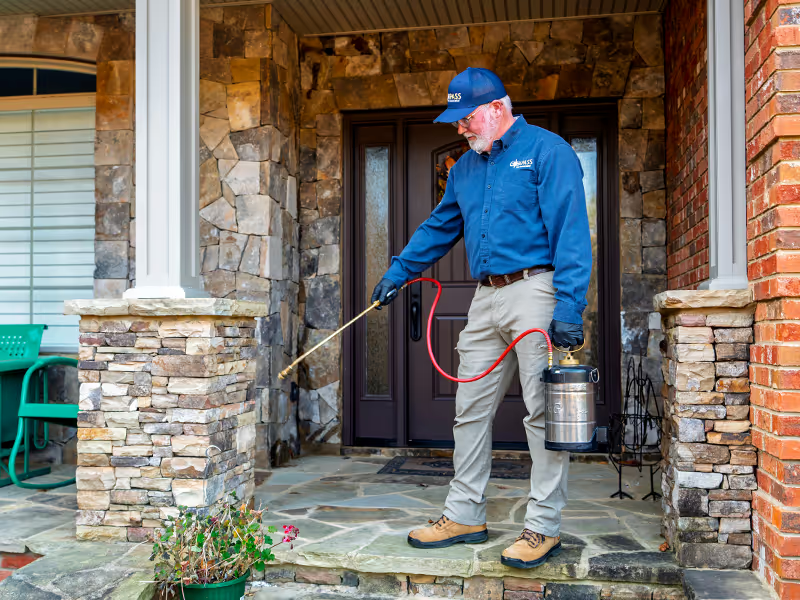
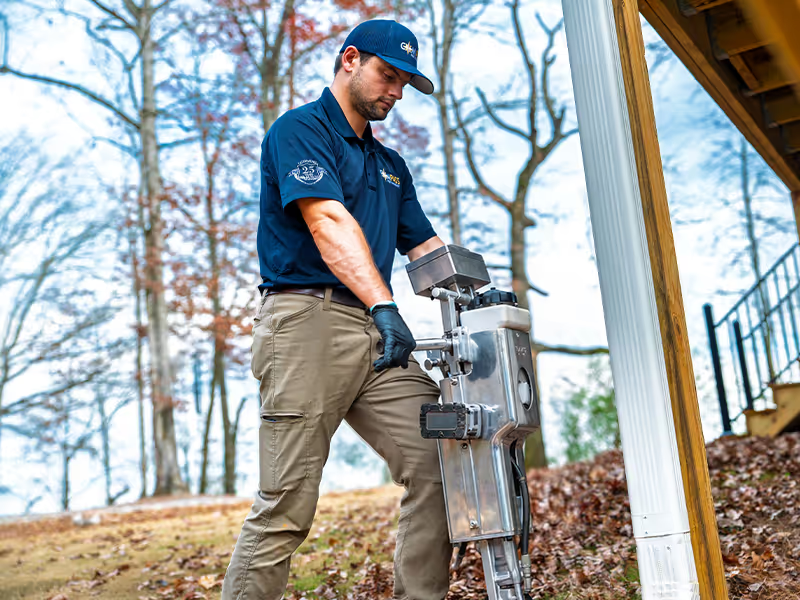
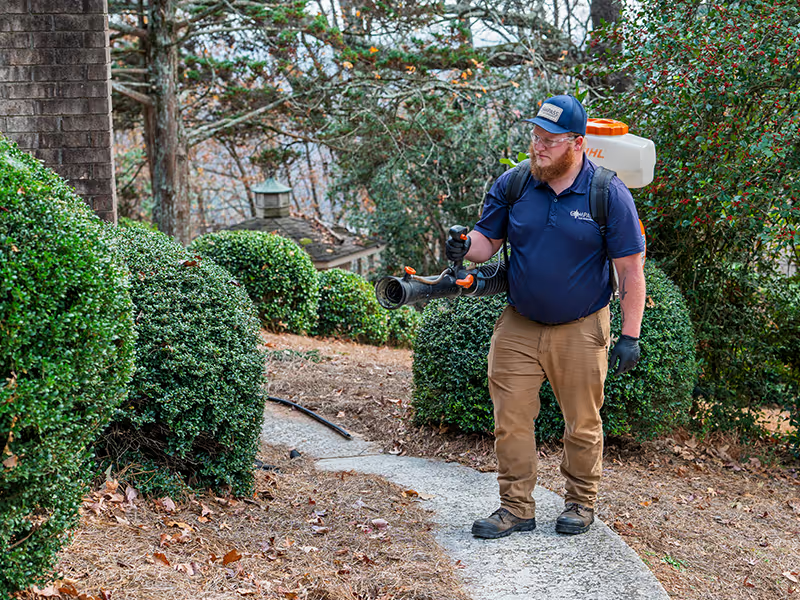
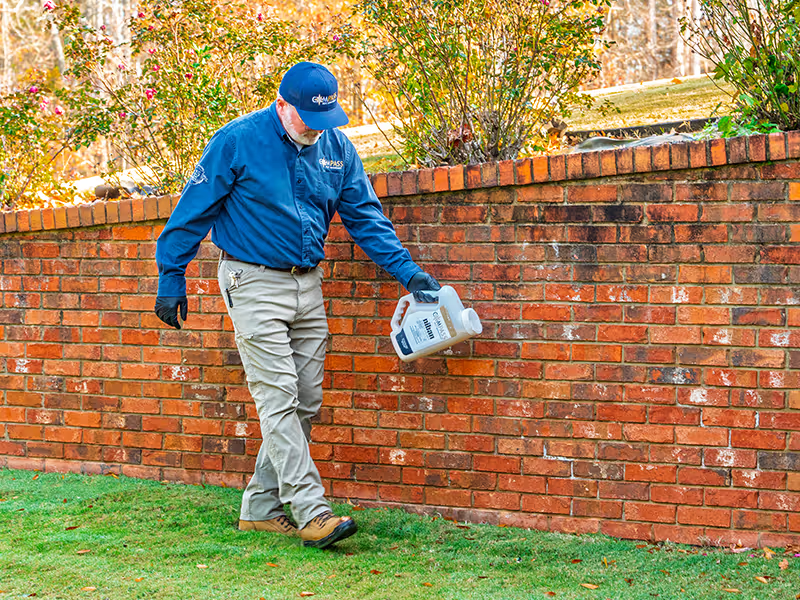
A pest control professional can evaluate the extent of the problem and develop a control plan based on the conditions and cockroach activity present. From there, control can be tailored to the situation rather than treating every cockroach problem the same way.
Compass Pest Management has been serving Upstate South Carolina and Northeast Georgia since 1995. Our local experience means we're familiar with the cockroaches that cause problems in this region and the conditions that allow them to thrive.
For homeowners, Compass offers home pest control plans designed to eliminate existing pest problems and provide year-round protection against cockroaches and other common household pests.
Cockroaches can also be a serious concern for businesses. Restaurants, commercial kitchens, offices, warehouses, and other facilities rely on ongoing pest management to help prevent cockroach activity from becoming established. Compass provides commercial pest control solutions tailored to the pest pressures and needs of local businesses.
Frequently Asked Questions About Cockroaches
Why do I see cockroaches on my porch or around exterior lights?
Smokybrown cockroaches are attracted to lights at night and are often found around porches, doors, and rooflines. American cockroaches may also show up around exterior areas that provide moisture and shelter.
Do cockroaches stay active during winter in South Carolina and Georgia?
Yes. German cockroaches remain active indoors year-round. American, Smokybrown, and Oriental cockroaches may slow down outdoors during colder weather but can remain active in protected areas in and around buildings.
Can cockroaches come inside through packages and deliveries?
Yes. German cockroaches can be brought into homes and businesses in cardboard boxes, packages, appliances, and other items. Checking deliveries and reducing unnecessary cardboard can help lower the risk of introducing them.
Why do cockroaches keep showing up around outdoor trash cans?
Trash and recycling areas can provide food residue, moisture, and shelter, especially when containers are kept close to the building. Keeping lids closed, cleaning spills, and moving containers away from exterior walls when possible can help make the area less attractive.
Get Rid of Cockroaches With Compass Pest Management
When cockroaches become a problem, you want a local pest control company that knows what works in our area. Family-owned and operated, Compass Pest Management has protected homes and businesses in Upstate South Carolina and Northeast Georgia since 1995.
If you're dealing with cockroaches, contact us today to learn more about professional cockroach control and our pest control options.