
Ants May Move When Outdoor Nesting Areas Become Too Wet
Ants are among the insects that can respond to changing soil conditions.
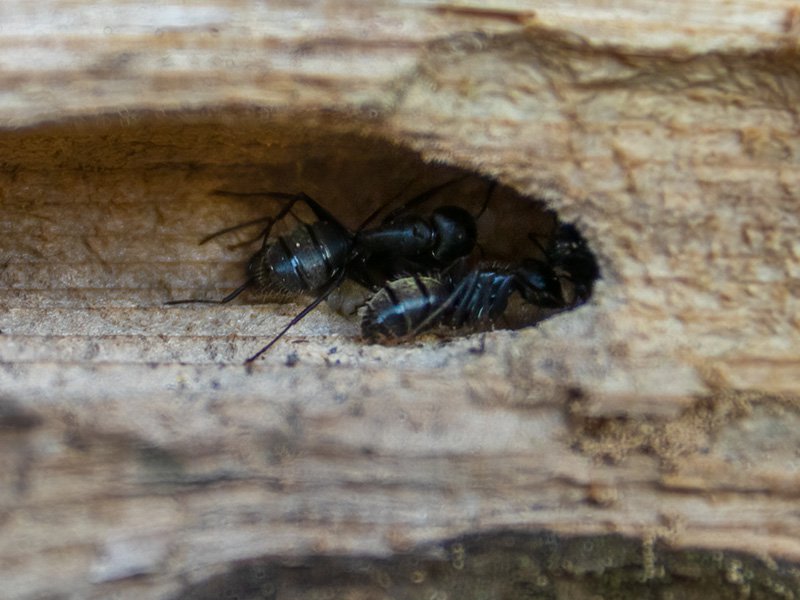
Argentine ants, for example, commonly nest beneath mulch, debris, and concrete. According to Clemson Cooperative Extension, these ants can establish nests beneath or inside homes, particularly when outdoor nesting conditions are disturbed.
Odorous house ants are another common household pest in Upstate South Carolina. Although indoor activity isn't necessarily caused by rainfall, homeowners may notice them foraging around kitchens, bathrooms, and other areas where food or moisture is available.
After heavy rain, you might notice ants around foundations, entering through exterior doors, or appearing in garages and ground-level rooms.
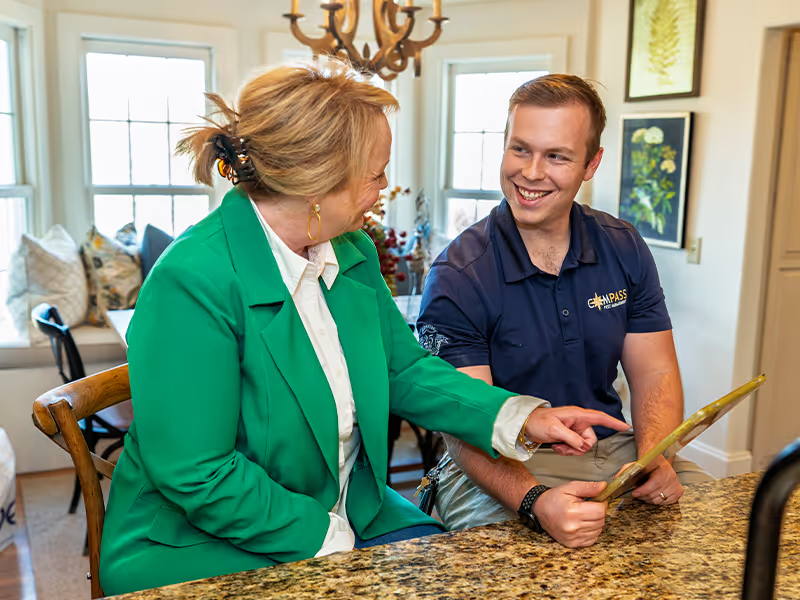
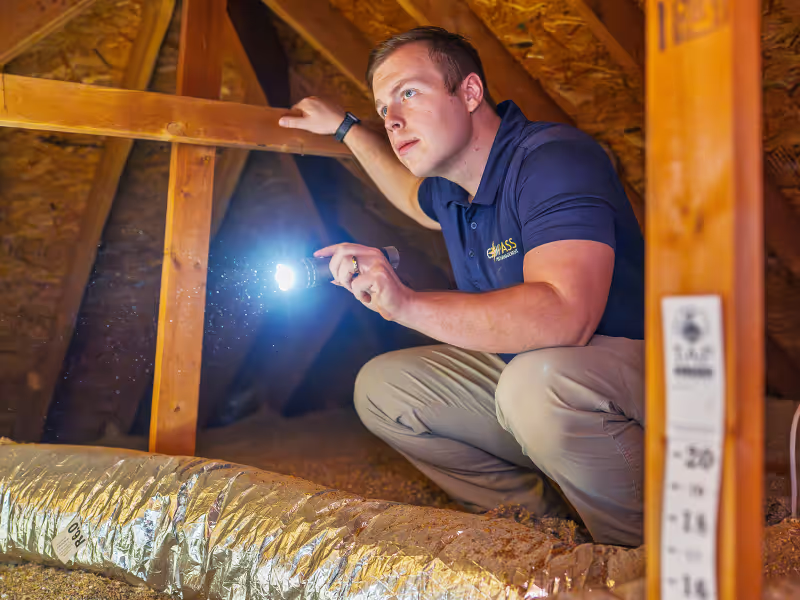
Seeing an ant or two isn't necessarily a problem, but if they keep showing up in your kitchen or other rooms, it's worth having Compass take a look. Our residential pest control plans include ongoing coverage for common household ants.
Why Are Fire Ant Mounds Appearing After Heavy Rain?
Noticing fresh fire ant mounds around your lawn after Hurricane Isaias?
Fire ants often construct or repair mounds when the soil is moist and easier to work with. Following heavy rainfall, existing colonies may rebuild damaged mounds or relocate when nesting areas become flooded.
These newly visible mounds don't necessarily mean your yard suddenly has more fire ants. Some colonies may have been present all along, with their activity becoming more noticeable after the rain.
Watch for mounds in lawns, landscaped areas, and along sidewalks or driveways, especially when cleaning up after the storm.
Compass Pest Management offers separate lawn fire ant control, with scheduled treatments in spring and fall. We also offer a complete home pest control plan that includes ant control for the whole yard.
Large Cockroaches May Appear Indoors After Heavy Rain
American and smokybrown cockroaches are common in Upstate South Carolina. Unlike German cockroaches, which are strongly associated with indoor infestations, these larger species frequently live outdoors.
American cockroaches often occupy damp, protected locations, while smokybrown cockroaches commonly shelter in tree holes, mulch, and leaf litter.
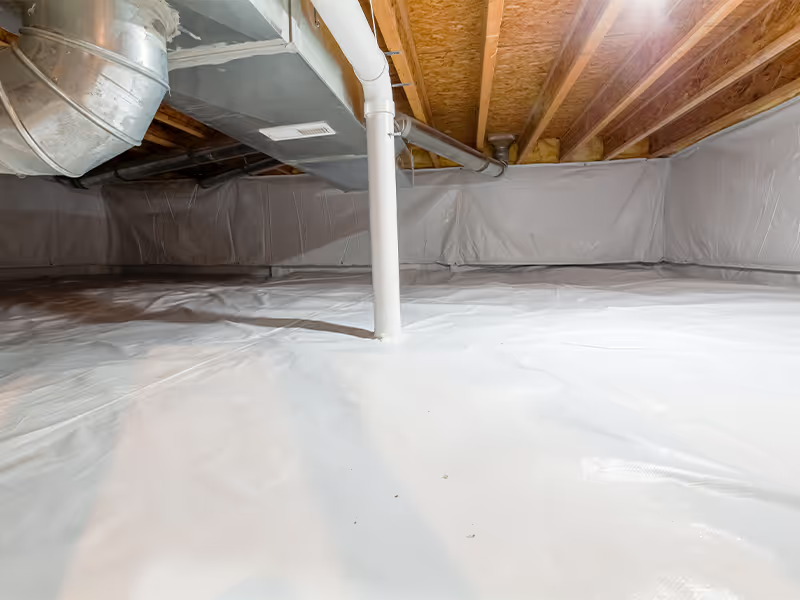
When these areas become excessively wet, individual cockroaches may seek another place to shelter, occasionally entering garages, crawl spaces, laundry rooms, or living areas.
Finding one large cockroach indoors after heavy rain doesn't automatically indicate an infestation. However, repeated sightings, particularly when both adults and immature nymphs are present, deserve professional attention.
Compass's home pest control plans include coverage for common household cockroaches, providing ongoing service rather than relying solely on treatment after a sighting.
Millipedes and Other Moisture-Loving Pests After Heavy Rain
Millipedes normally live outdoors in damp, protected areas beneath mulch, leaf litter, rocks, and other materials.
When heavy rainfall makes these areas excessively wet, millipedes may move elsewhere. Homeowners sometimes find them on patios, porches, driveways, or inside garages.
Pillbugs and sowbugs may also become more noticeable around foundations and entryways following wet weather.
These creatures are generally temporary nuisances rather than signs of an established indoor infestation. However, repeated sightings can indicate areas around the home that stay damp.
Could Heavy Rain Affect Rodent Activity?
Heavy rain can affect rodents when burrows or outdoor nesting areas become flooded. Mice and rats may seek shelter in garages, sheds, crawl spaces, and other protected areas.
However, October is also a time when rodents may become more noticeable around homes as seasonal conditions change.
A mouse appearing in your garage shortly after Hurricane Isaias doesn't necessarily mean the storm caused it to move there. What matters is whether rodents have found a way inside and whether activity continues.
Compass's residential pest control plans include mice and rats as part of their ongoing coverage.
Will Hurricane Isaias Lead to More Mosquitoes?
Heavy rainfall can leave standing water in flowerpots, clogged gutters, outdoor containers, and other areas around the yard.
If temperatures remain warm enough, mosquitoes can lay eggs in that water, potentially increasing activity in the days that follow. However, heavy rain can also wash away existing breeding sites, so an increase isn't guaranteed.
With October marking the end of the typical mosquito season in Upstate South Carolina, temperatures over the coming weeks will influence how much activity homeowners experience.
Emptying containers that collect rainwater can help reduce mosquito breeding opportunities.
What Should Homeowners Check After Heavy Rain?
Once conditions are safe, a few practical steps can help make your property less inviting to pests:
- Check doors and windows. Look for damaged weatherstripping and openings that allow pests inside.
- Inspect around the foundation. Watch for standing water, displaced mulch, and debris that provides shelter.
- Clear gutters and downspouts. Make sure rainwater drains away from the house.
- Remove unnecessary outdoor clutter. Wet cardboard, fallen branches, and stored materials can provide hiding places.
- Pay attention to pest sightings. Repeated indoor activity may indicate a problem that needs professional attention.
These steps can help reduce conditions that attract pests, but they won't necessarily resolve an existing infestation.
Why Year-Round Pest Control Is Worth Considering
Heavy rainfall is just one factor that influences pest activity around Upstate South Carolina homes. Ants, cockroaches, spiders, rodents, and other household pests can become active at different times throughout the year.
Founded in Greenville in 1995, Compass Pest Management has helped Upstate homeowners address local pest problems for more than 30 years. We understand the pests common to this region and how changing weather conditions can affect their activity.
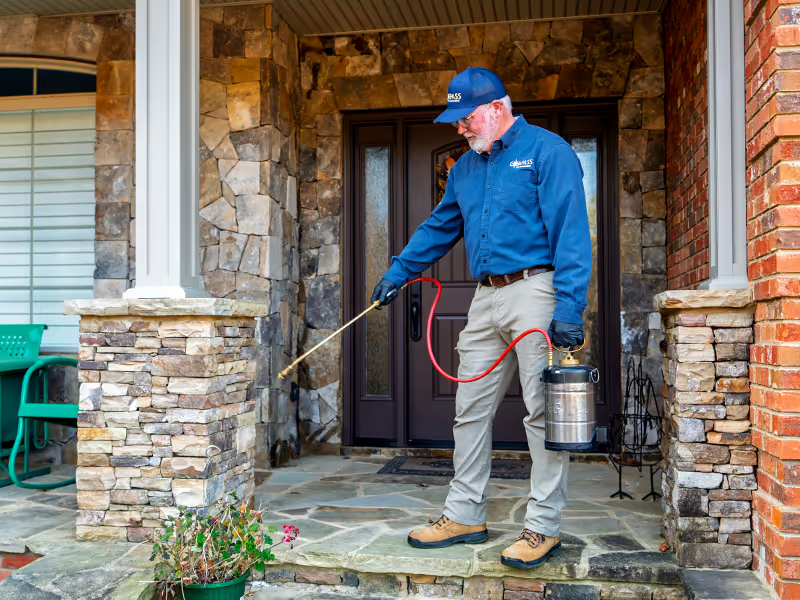
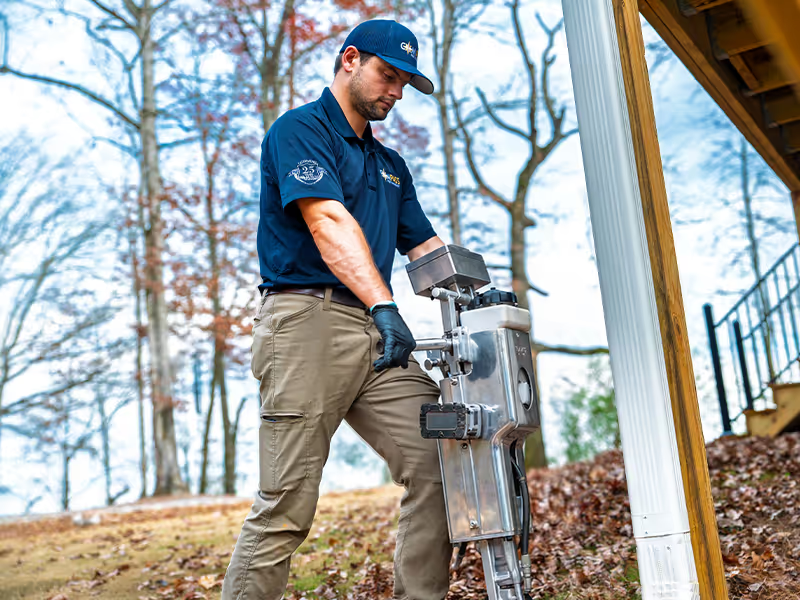
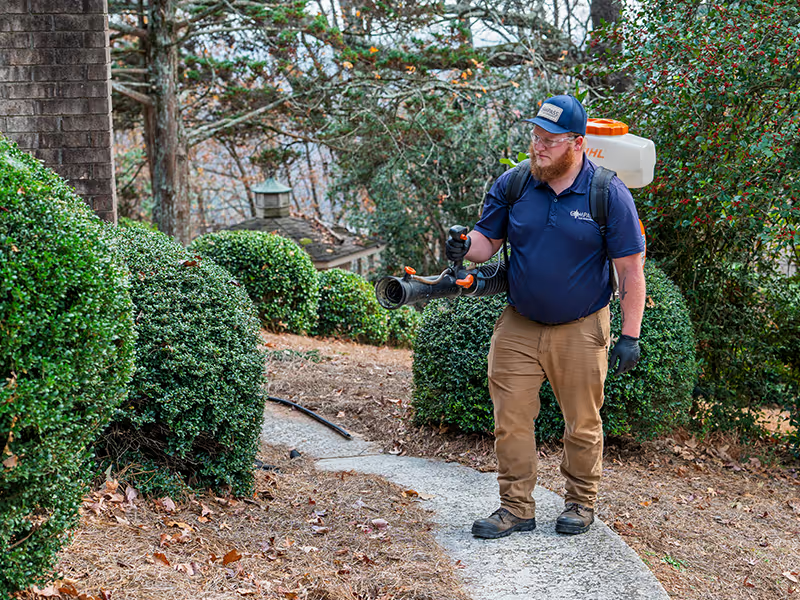
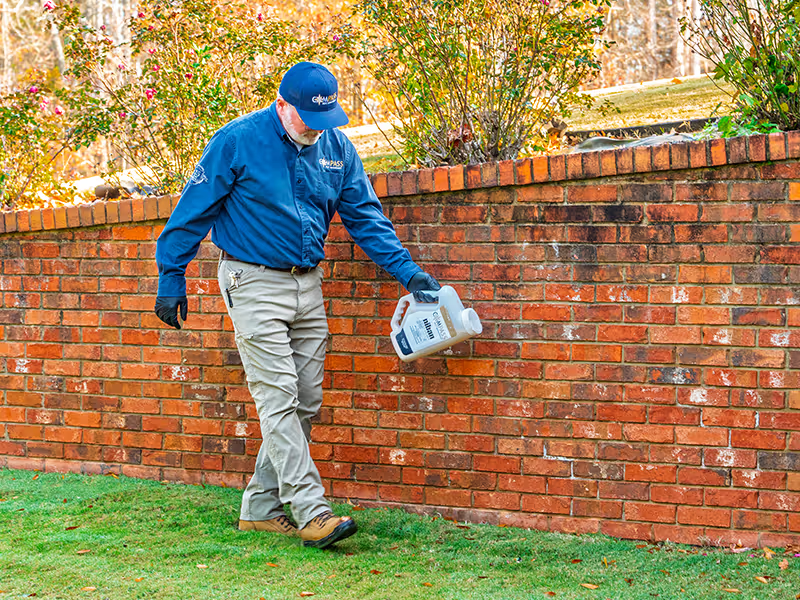
Compass provides regularly scheduled pest control to help manage activity around your home, along with additional visits when covered pests become a problem between treatments.
Instead of arranging a separate appointment for each new pest concern, homeowners have an established service plan and a local team they can contact when they need help.
Our home pest control plans start at $39 per month, plus an initial treatment fee, and include:
- Initial inspection and treatment to address current pest concerns.
- Quarterly exterior treatments.
- Coverage for more than 20 common household pests, including ants, cockroaches, spiders, millipedes, mice, and rats.
- Interior treatments when needed or requested.
- A 100% satisfaction guarantee, including return visits for covered pest problems between scheduled services at no additional charge.
Get Year-Round Pest Control From Your Local Compass Team
Seeing more pests around your home after Hurricane Isaias? Compass Pest Management can help address the problem and provide ongoing protection against common household pests.
Our residential pest control plans provide continued service for homeowners throughout Greenville, Spartanburg, Anderson, and surrounding Upstate South Carolina communities.
Contact Compass Pest Management today to request a free estimate.