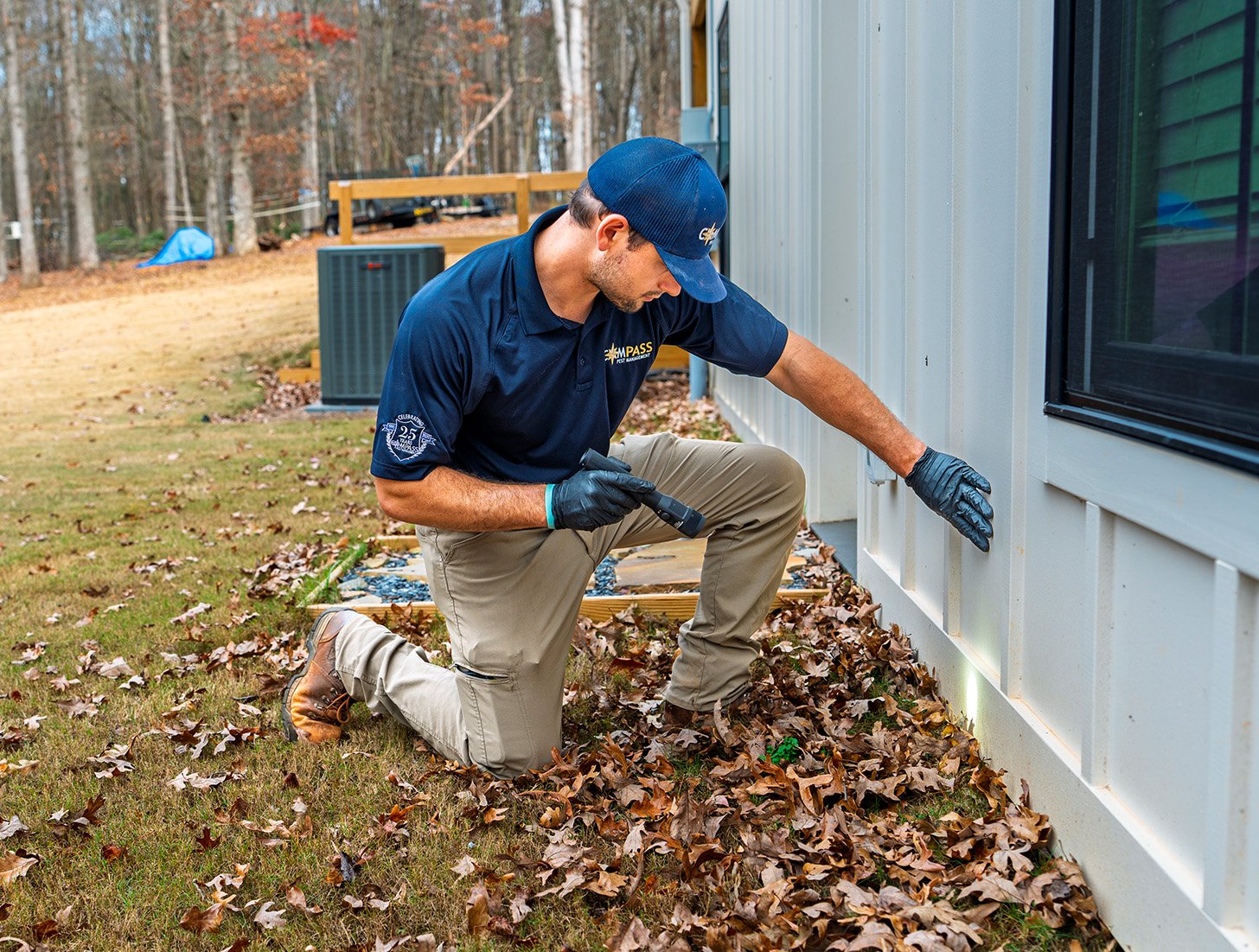

How Common Are Termites in Georgia?
Very common.
The Southeast is one of the most active termite regions in the United States, and Georgia homes face year-round pressure from subterranean termites.
Several factors increase termite activity in North Georgia:
- Mild winters that allow colonies to remain active
- Clay-heavy soil that retains moisture
- Frequent rainfall and humidity
- Crawl space construction common in the region
- Wood framing and attached decks
Termites cause billions of dollars in structural damage each year nationwide, and most homeowner insurance policies do not cover termite damage.
For Georgia homeowners, prevention and early detection are far more affordable than structural repairs.
When Is Termite Season in Georgia?
Termites remain active year-round in Georgia, but swarm season typically peaks in spring and early summer as temperatures rise and humidity increases.
Swarming termites are reproductive members of a colony searching for new nesting sites. Homeowners often mistake them for flying ants.
For a detailed breakdown of swarm timing, read this article: Termite Season in Georgia: When Swarms Happen and What to Do If You See Wings
If you see swarming termites inside your home, it may indicate an established colony nearby and should be evaluated promptly. Schedule a termite inspection with the local pest control pros at Compass today!
Signs of a Termite Infestation
Termites are often called “silent destroyers” because they feed inside wood structures, hidden from view.
By the time damage becomes visible, activity may have been ongoing for months or even years.
Visible Warning Signs
- Mud tubes along foundations or crawl space walls
- Discarded wings near windows or doors
- Wood that appears blistered or darkened
- Sagging floors or loose tiles
- Warped door or window frames
Less Obvious Signs
- Hollow-sounding wood when tapped
- Tight-fitting doors or windows
- Small cracks in drywall
- Bubbling paint that resembles water damage
Because subterranean termites consume wood from the inside out, professional inspections are often the only way to detect early-stage activity.
Types of Termites Found in Georgia
While there are thousands of termite species worldwide, Georgia homeowners primarily deal with two types that cause structural damage.
Subterranean Termites (Most Common in Georgia)
Subterranean termites are responsible for the majority of home damage in North Georgia.
They:
- Live in underground colonies
- Require moisture to survive
- Build mud tubes to travel between soil and wood
- Enter through foundation cracks, expansion joints, and crawl spaces
Homes with crawl spaces are particularly vulnerable if moisture levels are high or wood-to-soil contact exists.
Because these termites live below ground, effective control must address activity at the soil level.
In some parts of Georgia, including areas with higher humidity, Formosan termites — an aggressive subterranean termite — have been reported. These termites form larger colonies and can cause damage more rapidly, making professional inspection especially important.
Drywood Termites
Drywood termites are less common in North Georgia, but can still infest structures.
They:
- Live directly inside dry wood
- Do not require soil contact
- May enter through exposed wood or infested furniture
- Leave behind pellet-like droppings (frass)
While typically smaller in colony size than subterranean termites, drywood infestations can still cause significant localized damage.
Why Georgia Homes Are Especially Vulnerable
Certain environmental and structural factors common in Northeast Georgia increase termite risk.
Crawl Spaces
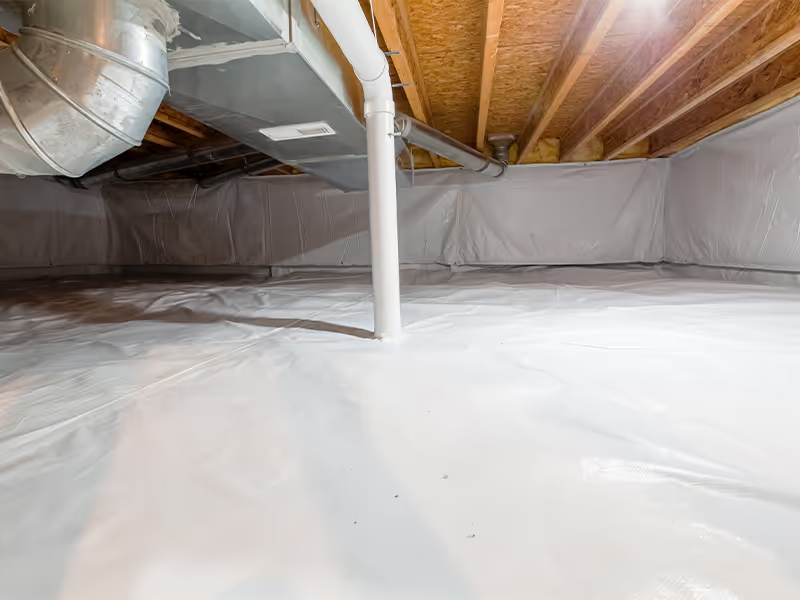
Many homes in Cornelia and surrounding communities are built with crawl spaces. Without proper ventilation or moisture control, these areas create ideal termite conditions.
Moisture Issues
Leaking pipes, poor drainage, clogged gutters, and heavy mulch buildup can all increase moisture levels around foundations.
Wood-to-Soil Contact
Deck posts, siding, and framing that touch the ground provide easy entry points for subterranean termites.
Reducing moisture and limiting direct soil contact are key components of termite prevention.
The Cost of Termite Damage in Georgia
Termite damage can range from minor wood repairs to extensive structural reconstruction.
Common repairs may include:
- Replacing floor joists
- Repairing subflooring
- Reinforcing structural beams
- Rebuilding decks or porches
- Interior drywall and trim replacement
Because termite damage is generally considered preventable, insurance policies typically do not cover repairs.
That makes professional termite protection a smart investment for Georgia homeowners.
How to Help Prevent Termites Around Your Home
While professional protection offers the most reliable defense, homeowners can reduce risk with proactive maintenance.
Reduce Moisture
- Repair plumbing leaks promptly
- Improve crawl space ventilation
- Ensure gutters direct water away from the foundation
- Address standing water near the home
Limit Wood-to-Soil Contact
- Keep siding at least six inches above soil
- Store firewood away from the structure
- Avoid direct soil contact with deck supports
Maintain Landscaping
- Keep mulch several inches away from foundation walls
- Trim shrubs and bushes away from siding
- Remove tree stumps and buried wood debris
Even with preventative steps, a termite control plan is strongly recommended in Georgia due to high regional pressure.
Professional Termite Control in Georgia
Because subterranean termites live underground, surface treatments and DIY sprays rarely eliminate the source of the problem.
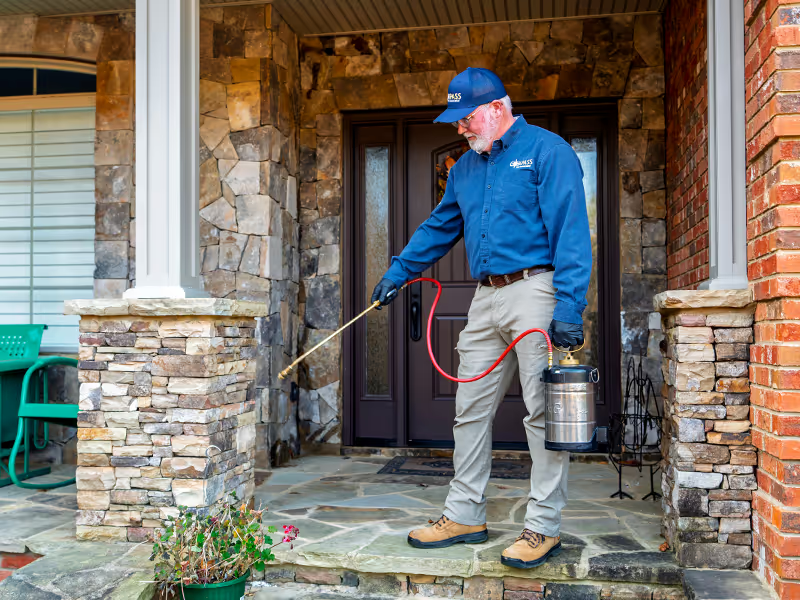
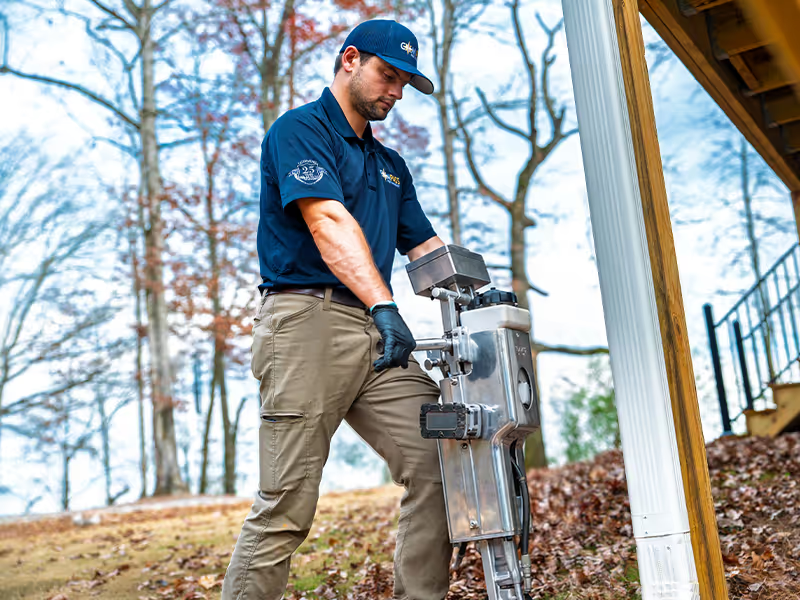
Effective termite control in Georgia typically involves professional-grade treatments designed to protect the soil around your home’s foundation and address active colonies below the surface.
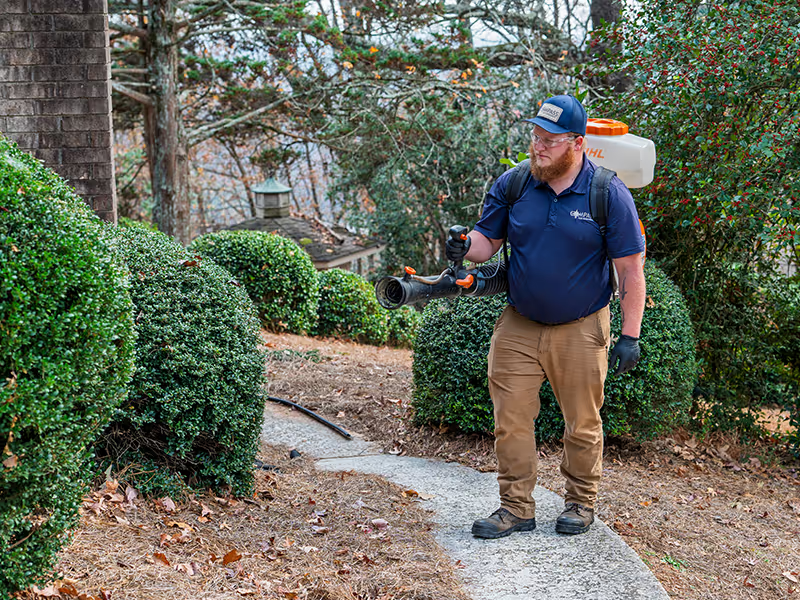
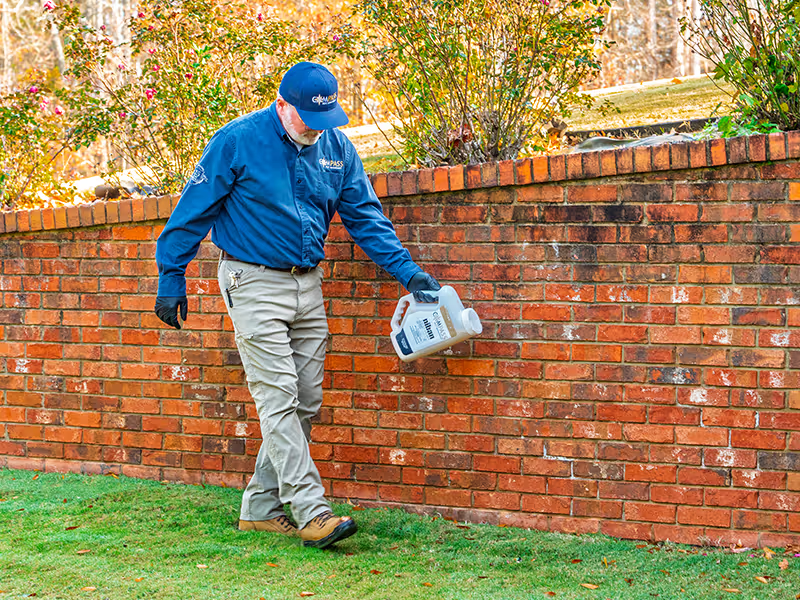
Compass Pest Management provides customized termite protection solutions for homeowners throughout North Georgia. Our licensed technicians evaluate your home’s construction type, soil conditions, and level of activity before recommending treatment.
If you’re ready to protect your home from these wood-destroying pests in Northeast Georgia, call (706) 480-5102 or complete our online form!
Why Choose Compass Pest Management?
Compass Pest Management is a family-owned pest control company serving Northeast Georgia and surrounding communities, as well as Greenville and Upstate South Carolina.
Homeowners trust us because:
- Our technicians are licensed and trained
- We use EPA-registered professional products
- We understand the termite pressures specific to this region
- We provide clear communication and thorough inspections
- We prioritize long-term protection, not quick fixes
Protecting your home from termite damage requires experience, local knowledge, and proactive monitoring — all of which our team delivers.
Schedule Your Termite Inspection in Georgia
If you’ve seen termite wings, mud tubes, or unexplained wood damage — or if it’s simply been more than a year since your last inspection — now is the time to act.
Termites rarely stop on their own, and damage often worsens quietly behind walls and beneath floors.
Contact Compass Pest Management today to schedule a professional termite inspection and protect your Georgia home from costly structural damage.
This article was originally published on December 28, 2019, and has been updated on March 3, 2026 to reflect the most current information for Georgia homeowners.