They Don't Eat Wood — They Hollow It Out
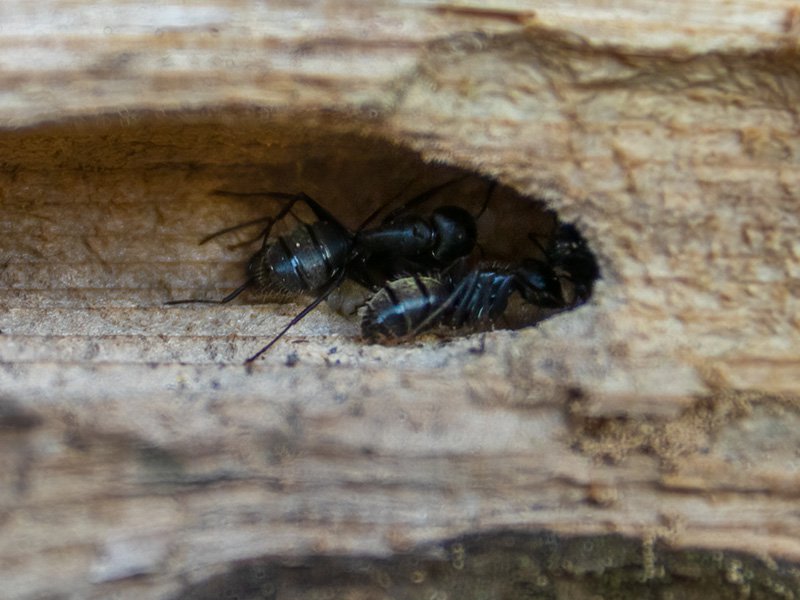
Carpenter ants carve smooth tunnels called galleries into wood to build their nests. They're not consuming the wood as termites do—they're excavating it, pushing out piles of fine, sawdust-like material called frass as they go.
What makes this especially problematic is their preference for wood that's already been softened by moisture. Leaking window frames, bathroom subfloors with poor ventilation, deck posts that sit close to damp ground—any wood that's absorbed water becomes a potential nesting site. A colony can work through softened framing for months before anyone notices.
Moisture Is the Trigger
If there's one thing carpenter ants look for, it's moisture.
That's one reason they're so common across Upstate South Carolina and Northeast Georgia. Between our humid summers, frequent thunderstorms, and the number of homes with crawl spaces, it's not unusual for wood around a home to stay damp longer than homeowners realize.
Our technicians regularly find carpenter ant activity in areas where moisture has been a problem for months or even years. Window frames with small leaks, poorly ventilated crawl spaces, deck posts, landscaping timbers, and wood trim near the foundation are all common trouble spots.
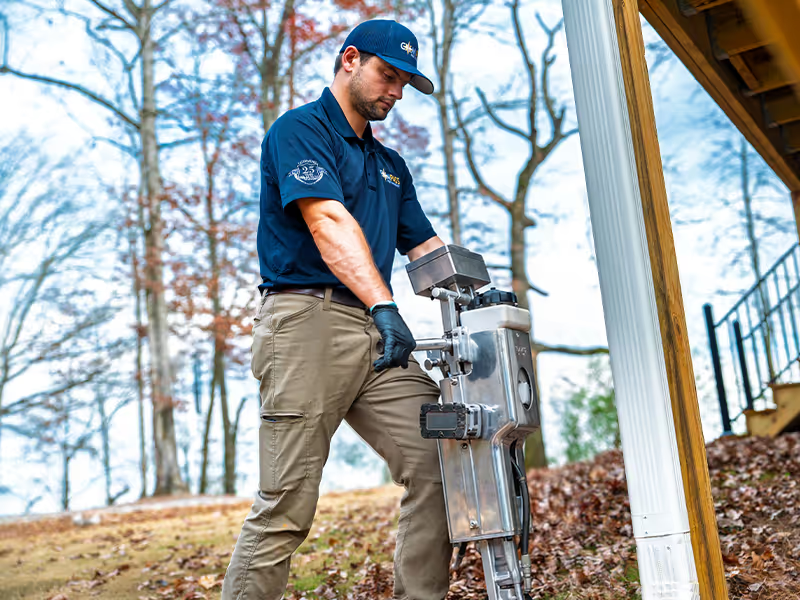
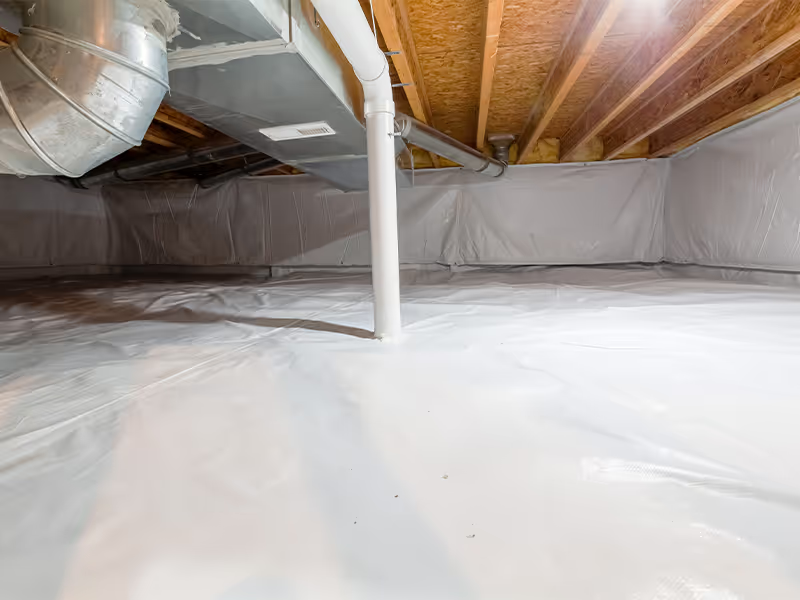
Crawl spaces are especially important to watch. Many homes throughout the region have crawl space foundations, and when moisture builds up underneath the home, it can soften wood and create ideal nesting conditions. That's one reason moisture control and crawl space encapsulation can play an important role in long-term pest prevention.
The wooded lots found throughout our region can also create ideal conditions for carpenter ants. Colonies often start in dead trees, stumps, fallen limbs, or old woodpiles before expanding closer to homes. Once carpenter ants discover damp wood inside a structure, they may establish satellite nests that allow the colony to grow.
In older homes, especially those with aging wood trim, siding, or long-standing moisture issues, carpenter ant damage can sometimes go unnoticed until significant excavation has already occurred.
How Much Damage Can Carpenter Ants Actually Cause?
The honest answer: more than most homeowners expect.
Because the galleries are carved inside the wood—behind drywall, inside wall voids, under flooring—the damage is usually invisible until it's advanced. A few large ants near a door frame might seem minor, but on the other side of that wall, an active colony could be hollowing out wood that supports your home's structure.
Over time, carpenter ant damage weakens load-bearing beams and softens subfloor supports. The repair costs can add up quickly, especially if the colony has been active for a year or more.
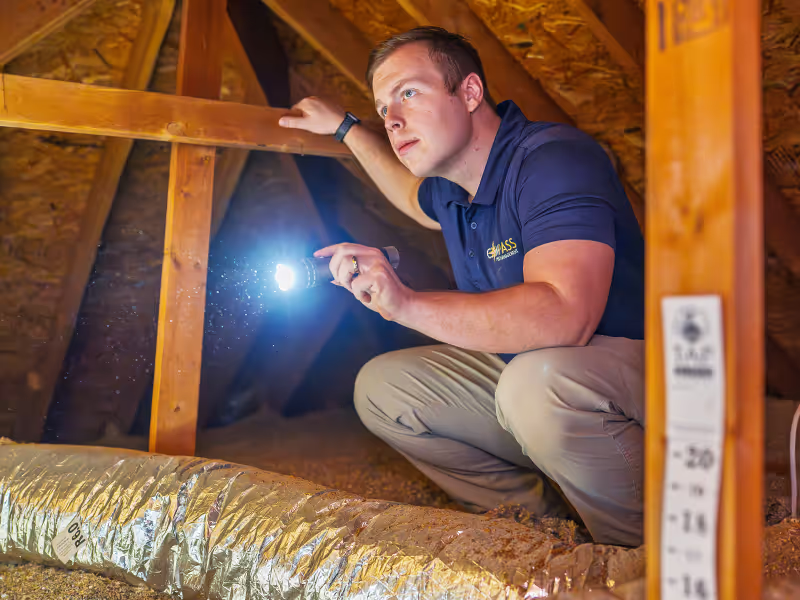
One thing we hear from homeowners all the time is, "I only saw a few ants." Unfortunately, the number of ants you see rarely reflects the size of the problem. During carpenter ant inspections, it's common for our technicians to find hidden galleries, moisture issues, or satellite nests that homeowners didn't know were there. That's why early identification is so important.
And here's a detail that catches homeowners off guard: carpenter ants don't just build one nest. A main colony—usually outdoors in a stump, dead tree, or old woodpile—sends out satellite colonies that establish inside nearby structures. So even if you address the ants you see indoors, the parent colony outside continues to produce new workers and satellites.
What Ongoing Home Pest Control Does That a Can of Spray Can't
The colony structure is exactly why a quick spray from the hardware store doesn't resolve a carpenter ant problem. Surface products eliminate foraging workers—the ants you happen to see—but they don't reach the nest inside the wall, and they don't touch the main colony outdoors. The visible ants disappear for a few days, and then new foragers take their place.
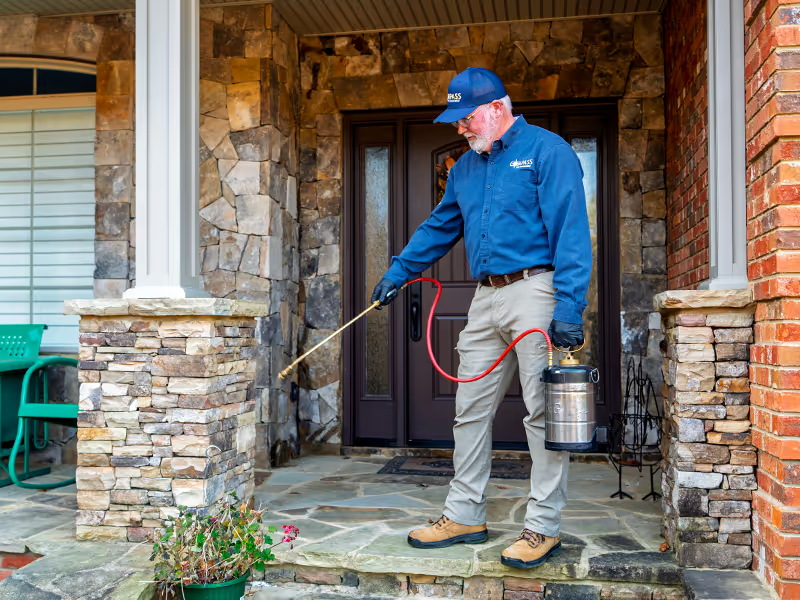
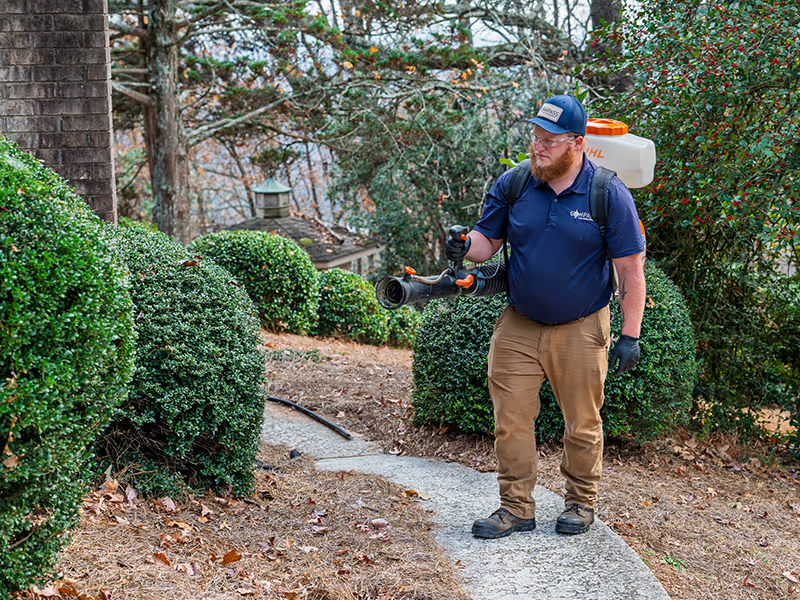
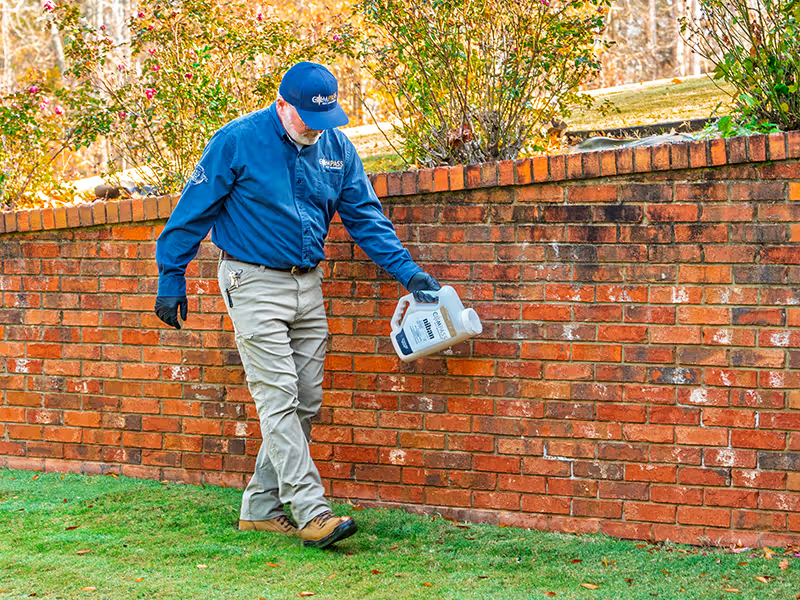
Ongoing home pest control works from the outside in. Our technicians treat the exterior perimeter of your home on a scheduled basis, building a barrier that intercepts carpenter ants and dozens of other household pests before they establish indoors. If carpenter ants are already active inside the home when service begins, interior treatments can be performed as part of the process to help bring the problem under control.
Just as importantly, a technician sees your property several times a year. That means they can spot early signs of carpenter ant activity—or moisture issues that could attract them—before a small problem becomes a much larger one.
Compass' home pest control plans all cover carpenter ants, starting with the Basic Plan. Every plan includes a satisfaction guarantee—if a covered pest shows up between visits, we come back at no extra cost.
Carpenter ants and termites are attracted to many of the same conditions. If your home has a crawl space foundation or ongoing moisture concerns, termite protection is worth a conversation, too.
Common Questions Homeowners Ask About Carpenter Ants
Do carpenter ants swarm like termites?
Yes. Mature carpenter ant colonies produce winged reproductive ants that leave the nest during warm weather to start new colonies. Because these winged ants are often found near windows and lights, they're frequently mistaken for termite swarmers. Proper identification is important because carpenter ants and termites require different treatment approaches.
Why do I keep finding carpenter ants near windows?
Carpenter ants are often attracted to light, especially winged swarmers looking for a way outside. That's why homeowners frequently notice them around windows, sliding glass doors, and light fixtures during certain times of the year.
Are carpenter ants more active at certain times of day?
They're primarily nocturnal foragers. If you're spotting large ants inside your home during evening hours, particularly near bathrooms or kitchens, that's a strong indicator of an active colony nearby.
Can carpenter ants bite people?
Carpenter ants can bite if they're handled or feel threatened, but they aren't aggressive toward people. Most homeowners discover them because of where they're nesting, not because they're interacting with the ants directly.
Get Ahead of Carpenter Ant Damage
By the time most homeowners notice carpenter ants, they've often been active for much longer than expected. What starts as a few large ants around a window, bathroom, or crawl space can sometimes point to a hidden nesting site inside moisture-damaged wood.
If you've noticed carpenter ants around your Upstate South Carolina or Northeast Georgia home, contact Compass Pest Management for an inspection. We'll identify the source of the activity, look for conditions that may be attracting them, and recommend a protection plan that helps keep carpenter ants and other household pests from becoming a recurring problem.