
Why Stinging Insects Love Your Home's Exterior
Stinging insects aren't picking your home at random. They're looking for shelter, and residential structures check every box. Eaves, soffits, porch ceilings, shutters, and exterior light fixtures all create protected spots where wasps and hornets can build nests without much wind or rain exposure.
Homes with covered porches are especially popular. In our service area, many homes—particularly in Greenville, Anderson, and across the Upstate—have wide front porches with exposed rafters or beadboard ceilings. Those little gaps and ledges are exactly what paper wasps are looking for.
Yellow jackets are different. They often build underground, and we find their nests in yards, along red clay embankments, around old landscape timbers, and in gaps at the base of retaining walls. On sloped, wooded properties in Cornelia and throughout Northeast Georgia, these nests are especially common—and easy to stumble across while mowing or doing yard work.
Which Ones Are You Dealing With?
Not all stinging insects behave the same way, and knowing what you're looking at can help you understand how serious the situation is.
Paper Wasps
Paper wasps are probably the most common. They build small, open-faced nests that look like an upside-down umbrella—usually tucked under eaves, porch ceilings, deck railings, or the lips of gutters. The nests start small, sometimes just a few cells, but they grow throughout the warm months.
Paper wasps aren't typically aggressive unless you get close to the nest, but that's the problem—their nests tend to be right where people walk, sit, or open doors.
Yellow jackets
Yellow jackets are the ones that tend to catch people off guard. They nest underground or inside wall voids, so you might not know there's a colony nearby until you step too close or run a mower over the entrance.
They're more aggressive than paper wasps, and they can sting multiple times. We get a lot of calls from homeowners who disturb a hidden nest while mowing or doing yard work.
Baldfaced Hornets
Baldfaced hornets build large, enclosed paper nests—the football-shaped ones you sometimes see hanging from tree branches, under roof overhangs, or attached to the side of a shed.
These nests can get surprisingly big, and baldfaced hornets are very defensive if you get within several feet of the nest. We often find them hanging in hardwood trees along the edges of yards where branches overhang walkways or driveways.
European Hornets
European hornets are the largest stinging insects most homeowners around here will encounter. They're an invasive species introduced to North America long ago and are sometimes mistaken for “giant hornets” because of their size.
One thing that makes European hornets stand out is that they're active after dark. Homeowners often notice them flying around porch lights, garage lights, and illuminated windows at night—something most wasps and hornets don't typically do.
They usually nest inside hollow trees, wall voids, attics, and other sheltered spaces around the home. While their size can be intimidating, European hornets are generally less aggressive away from the nest than yellow jackets. Still, they can become defensive if their nesting area is disturbed.
Where Nests Show Up Around Homes
During inspections, our technicians check a lot of the same spots repeatedly because stinging insects are creatures of habit. Here are the places we find nests most often:
- Under eaves and soffits—especially where there's a gap between the soffit and fascia board
- On covered porches and patios, particularly around ceiling seams, light fixtures, and deck railings
- Inside grills, playsets, and outdoor furniture that hasn't been moved in a while
- Behind shutters near windows and entry points
- In the ground along driveways, garden beds, retaining walls, and embankments
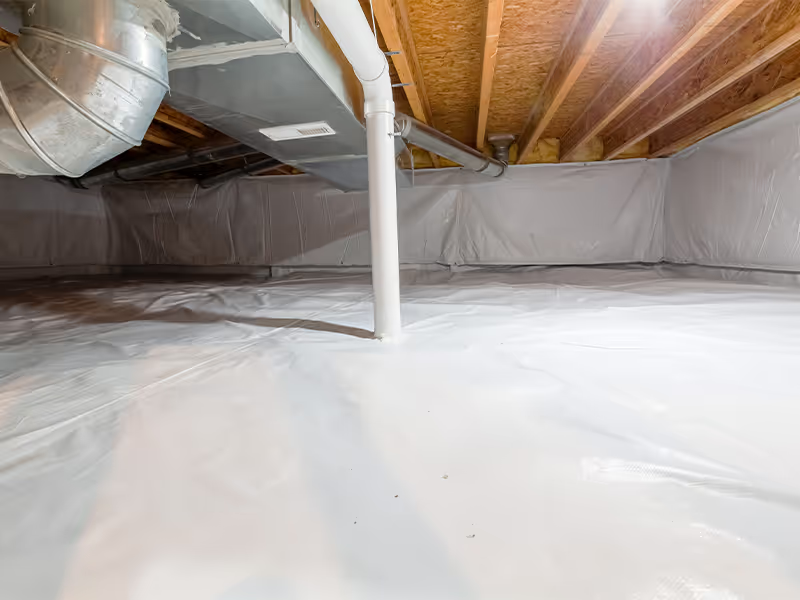
- Inside wall voids, attic spaces, and crawl space vents
Across Upstate South Carolina and Northeast Georgia, we often see nests around detached garages, barns, workshops, and storage buildings that don't get daily foot traffic. The insects move in, and homeowners often don't notice the activity until the nest is already well established.
Homes with stone or brick facades also tend to have small gaps that wasps and yellow jackets use as entry points.
Are Stinging Insects Dangerous?
For most people, a single sting from a wasp or yellow jacket is painful but not dangerous. The real risk comes from the situation—multiple stings, allergic reactions, or a nest in a spot where someone (especially a child or pet) can't get away quickly.
Yellow jackets and hornets can sting repeatedly. Unlike honeybees, they don't lose their stinger, which means one insect can deliver several stings in a matter of seconds. When a nest is disturbed, the colony responds as a group. That's how a routine trip to the mailbox or a Saturday afternoon mowing the lawn can suddenly turn into a trip to urgent care.
Allergic reactions are the other concern. Some people don't know they have a venom allergy until they're stung. If someone in your household has experienced swelling beyond the sting site, difficulty breathing, or dizziness after a sting, it's important to take nests around your property seriously.
If you've noticed stinging insects near high-traffic areas of your home—front doors, back decks, play areas—it's worth having a professional take a look. Compass Pest Management is often able to offer same-day service when you call before noon, so you don't have to wait around while a nest grows larger and more active.
Why Knocking Down a Nest Rarely Solves the Problem
A lot of homeowners try to deal with a wasp or hornet nest on their own—usually with a broom handle or a can of spray from the hardware store. The problem is, it almost never works the way you'd hope.
Knocking down a paper wasp nest doesn't eliminate the colony. The wasps that were out foraging come back to the same spot, and in many cases, they'll rebuild within a few days.
Spraying a hidden nest without proper equipment can also agitate the colony. Yellow jackets are especially defensive, and disturbing a nest can send dozens of insects out at once. Store-bought sprays may kill the insects you see, but they usually don't reach the colony deeper inside a wall void or underground chamber.
We've responded to plenty of calls from homeowners who tried to handle a nest themselves and ended up getting stung—or making the problem worse. It's one of those situations where the risk usually isn't worth it, especially when the nest is high off the ground or hidden inside the structure.
How Compass Pest Management Handles Stinging Insect Nests
When you contact us about a stinging insect problem, here's what to expect.
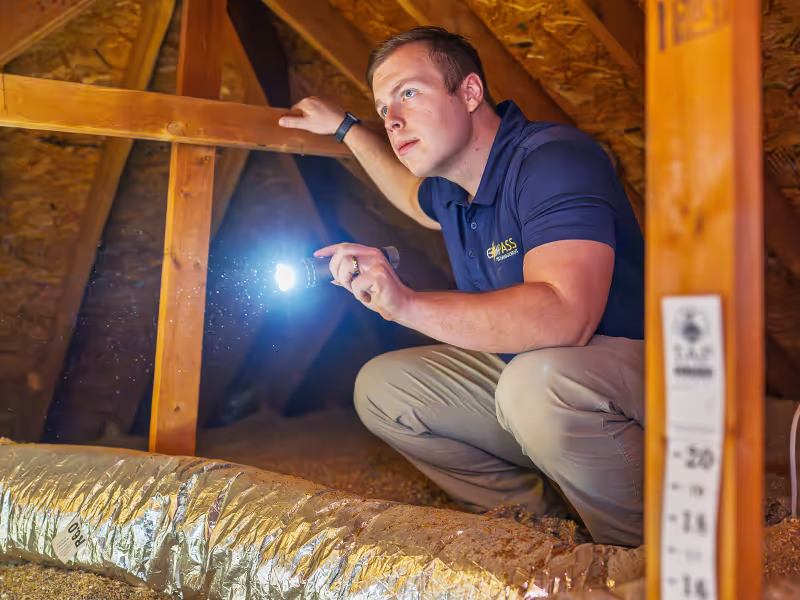
Our technician inspects your property to identify the species, locate active nests, and check for secondary nesting sites. That matters because it's common for homes to have more than one nest during peak season.
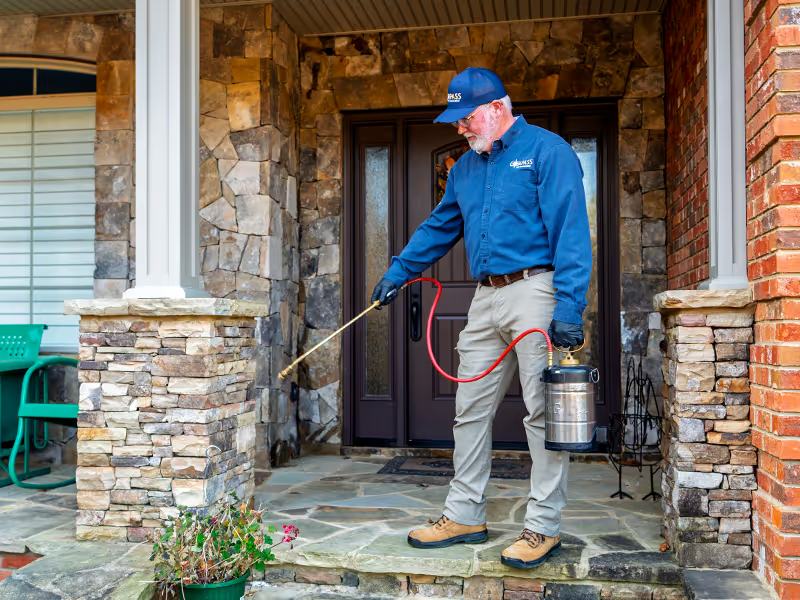
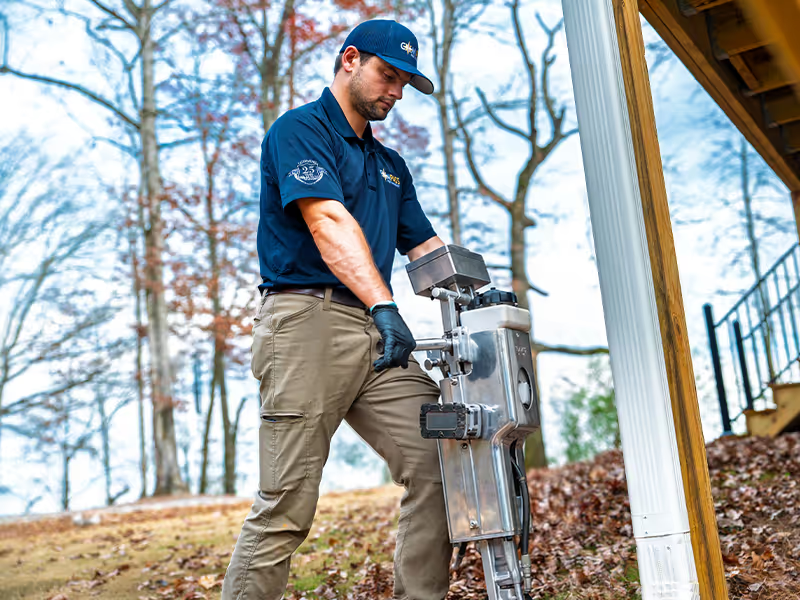
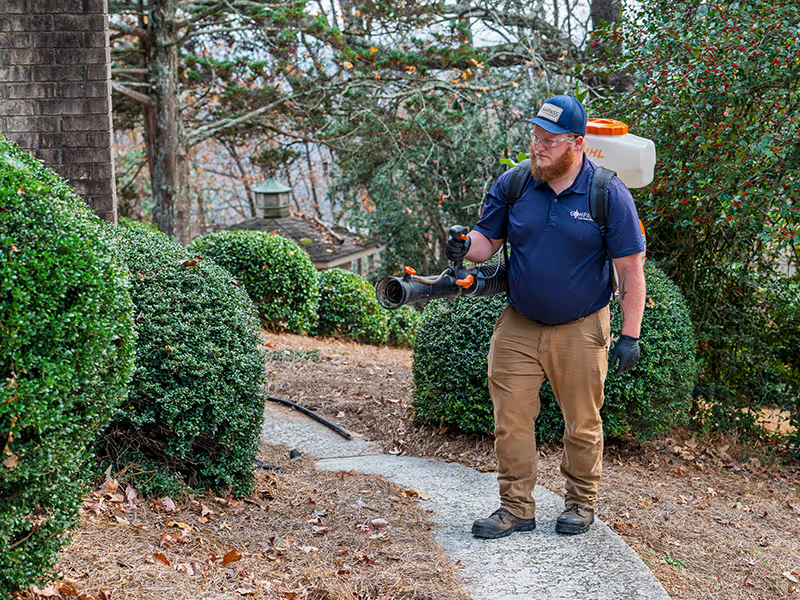
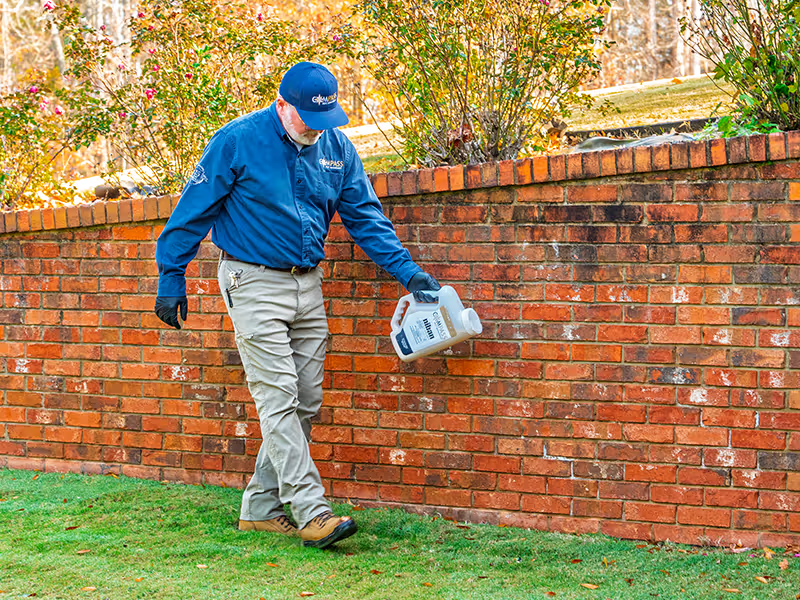
Once we know what we're dealing with, we treat the nest using professional-grade products that eliminate the colony. For nests in wall voids, underground areas, and other hard-to-reach spaces, we use targeted application methods that reach the insects where they're actually nesting—not just the ones flying around the entrance.
After treatment, we remove accessible nests and recommend sealing entry points to help reduce future activity.
Stinging insect control for accessible nests up to 20 feet high is included in all of our residential pest control plans. Paper wasps, yellow jackets, and hornets are all covered, so if you're already on a plan, just give us a call, and we'll take care of it.
If you're not currently on a pest control plan, we'll help you choose the right level of ongoing protection for your home. Our residential plans cover stinging insects and common household pests, including ants, cockroaches, rodents, and more. Ongoing service also helps us catch new nesting activity early—before it turns into a bigger problem around your home.
Common Questions About Wasps, Hornets, and Yellow Jackets Around the Home
What should I do if I find a yellow jacket nest in the yard?
Stay away from the area and keep kids and pets clear of the nest. Yellow jackets become aggressive when the ground around the colony is disturbed, especially during mowing or yard work. Professional treatment is usually the safest way to eliminate the nest.
Will Compass Pest Management remove honeybee hives?
Honeybees are beneficial pollinators, and we recommend contacting a local beekeeper for live removal whenever possible.
If you're unsure whether you're dealing with honeybees or wasps, give us a call—we can help identify the species and point you in the right direction.
Can anything around my home attract more wasps and yellow jackets?
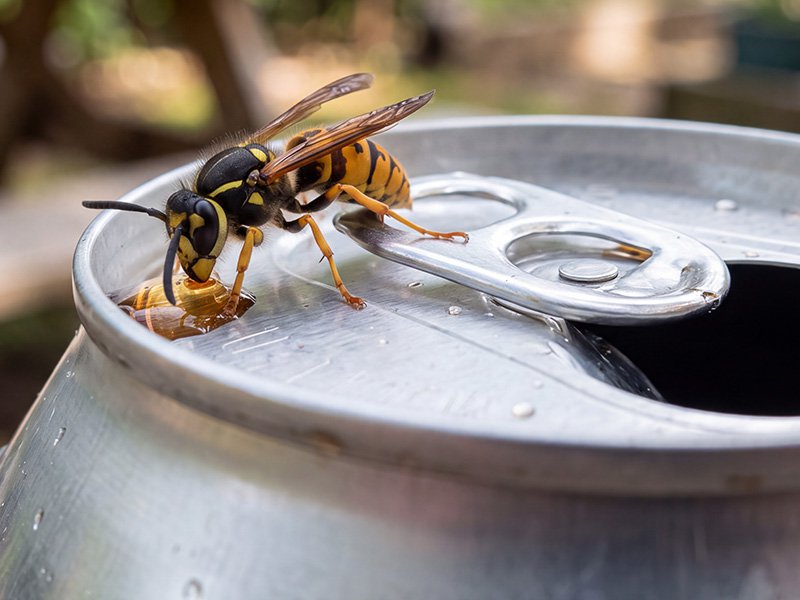
Yes. Open trash cans, fallen fruit, sugary drink spills, and pet food left outdoors can all attract yellow jackets. Bright exterior lighting may also attract European hornets at night.
Reducing these attractants won't prevent nesting entirely, but it can help lower activity around your home.
Can wasp or hornet nests cause damage to my home?
Most exposed nests don't cause structural damage, but nests in wall voids or attics can cause problems over time. Large colonies may generate moisture, and nest material can stain drywall or ceilings.
After a colony dies off, abandoned nest material can also attract secondary pests, such as ants and carpet beetles.
Keep Stinging Insects From Becoming a Bigger Problem
Most homeowners don't call about wasps or yellow jackets when the nest first appears. They call after someone gets stung while walking to the mailbox, mowing the lawn, letting the dog out, or trying to enjoy the backyard.
The problem is that stinging insect colonies don't stay small for long. As activity increases through the warmer months, nests around doors, decks, patios, and play areas become harder to avoid—and much more dangerous to disturb by accident.
If you've been seeing wasps, hornets, or yellow jackets around your property, now is the time to deal with it before someone in your household gets too close to the nest.
Contact Compass Pest Management today to schedule your inspection and learn how our ongoing residential pest protection plans help homeowners stay ahead of stinging insect activity during peak season—before nests become larger, more active, and more difficult to remove.
if(window.strchfSettings === undefined) window.strchfSettings = {};
window.strchfSettings.stats = {url: "https://compass-pest-management.storychief.io/wasp-hornet-yellow-jacket-nests-around-your-home?id=45294055&type=26",title: "Wasps, Hornets, and Yellow Jackets: What to Do When They Nest Near Your Home",siteId: "23661",id: ""};
(function(d, s, id) {
var js, sjs = d.getElementsByTagName(s)[0];
if (d.getElementById(id)) {window.strchf.update(); return;}
js = d.createElement(s); js.id = id;
js.src = "https://d37oebn0w9ir6a.cloudfront.net/scripts/v0/strchf.js";
js.async = true;
sjs.parentNode.insertBefore(js, sjs);
}(document, 'script', 'storychief-jssdk'))