Yellow Jacket Colonies Have Been Growing Since Spring
Yellow jacket colonies start small. An overwintered queen emerges in spring, finds a protected cavity, builds the first part of the nest, and raises the first workers herself.
Once those workers mature, they take over much of the work. The colony keeps growing through summer, and by August or September, a nest can contain hundreds of yellow jackets and sometimes many more.
That is why a nest that went unnoticed in May or June can become much more obvious later in the season.
Around Greenville, Anderson, Gainesville, Cornelia, and other communities across our service area, ground nests are especially easy to discover accidentally. A mower, string trimmer, or footstep near the entrance may be the first sign that a colony has been active there for weeks.
Why You Notice More Yellow Jackets Around Food
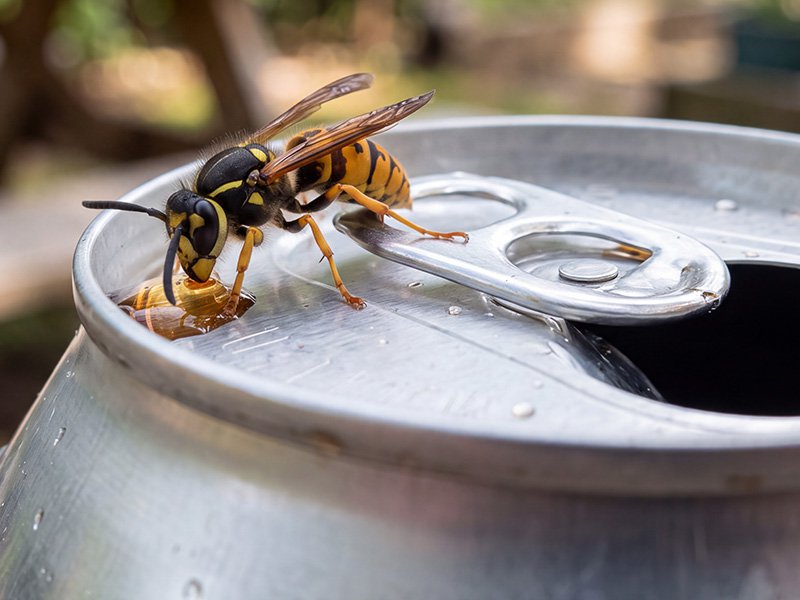
Yellow jackets feed on other insects, but they also forage around sugary drinks, food scraps, garbage, and other easy food sources.
By late summer, that scavenging activity becomes much more noticeable around homes. You may find yellow jackets around outdoor dining areas, garbage and recycling, fallen fruit, grills, pet food, or open drinks.
A few yellow jackets around the patio do not necessarily mean the nest is nearby. Foraging workers can travel away from the colony looking for food.
Repeated traffic to one specific spot is a much better clue. If yellow jackets are steadily entering and leaving the same hole in the lawn or opening along the house, there may be an established nest on the property.
Where Yellow Jackets Nest Around South Carolina and Georgia Homes
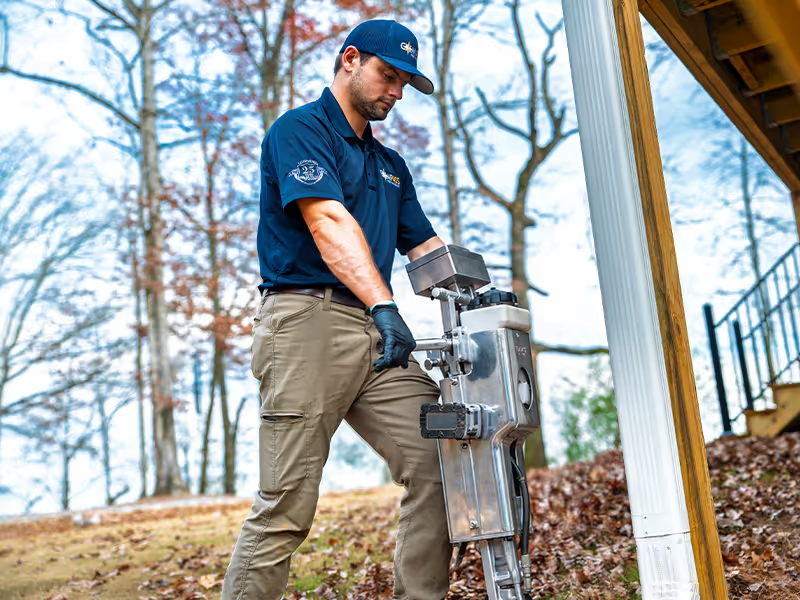
Many yellow jacket nests around homes are underground. Queens often use existing cavities, including abandoned rodent burrows and other protected openings in the soil.
Nests can also turn up around retaining walls, landscape timbers, hollow areas near tree roots, and protected spaces in or around structures. Yellow jackets may use a small exterior opening to access a wall void or another concealed area, making the nest itself difficult to see.
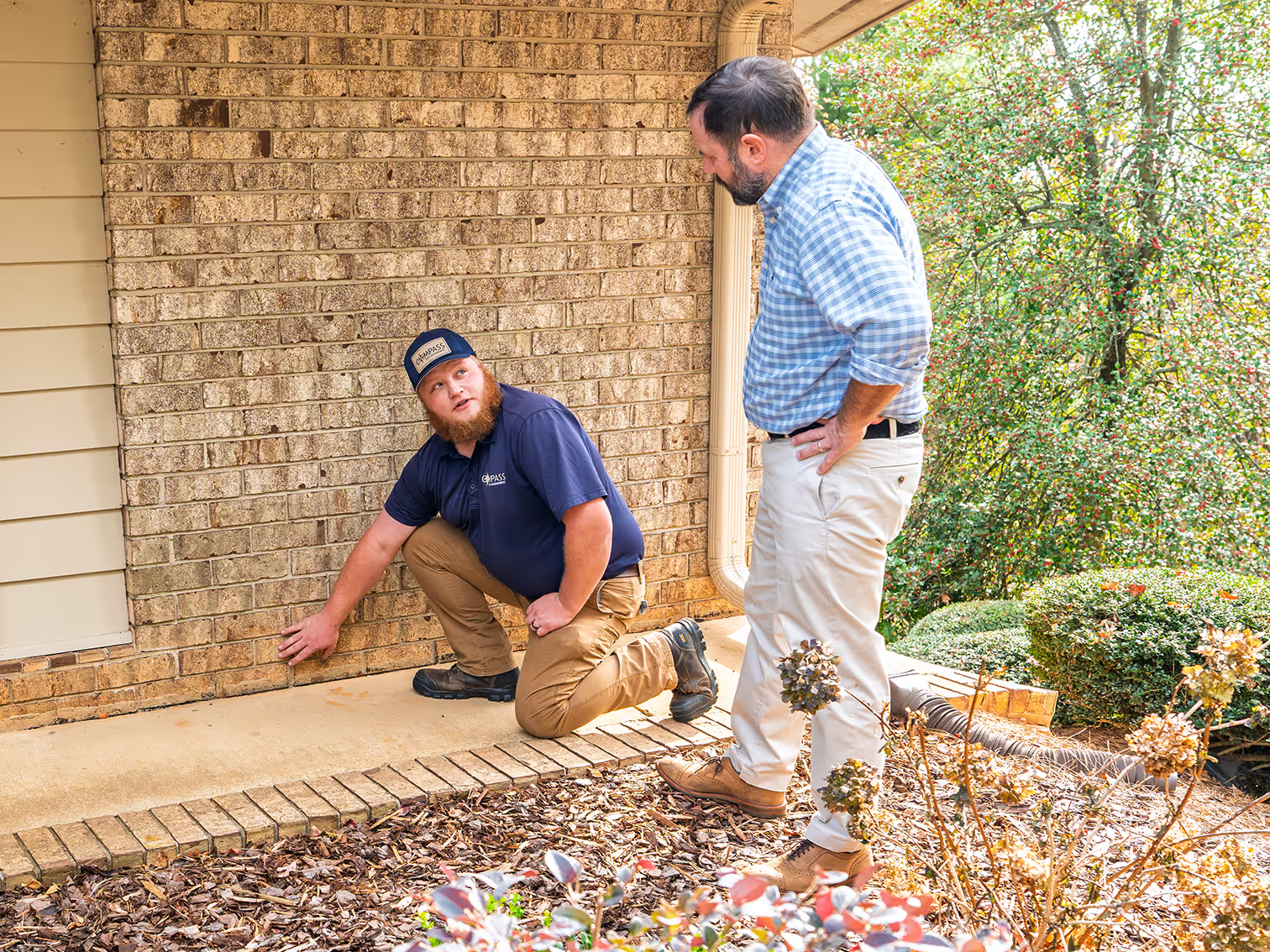
Compass Pest Management regularly deals with yellow jacket activity around homes across Upstate South Carolina and Northeast Georgia. One of the first things we look for is consistent traffic that can lead us back to the nest entrance.
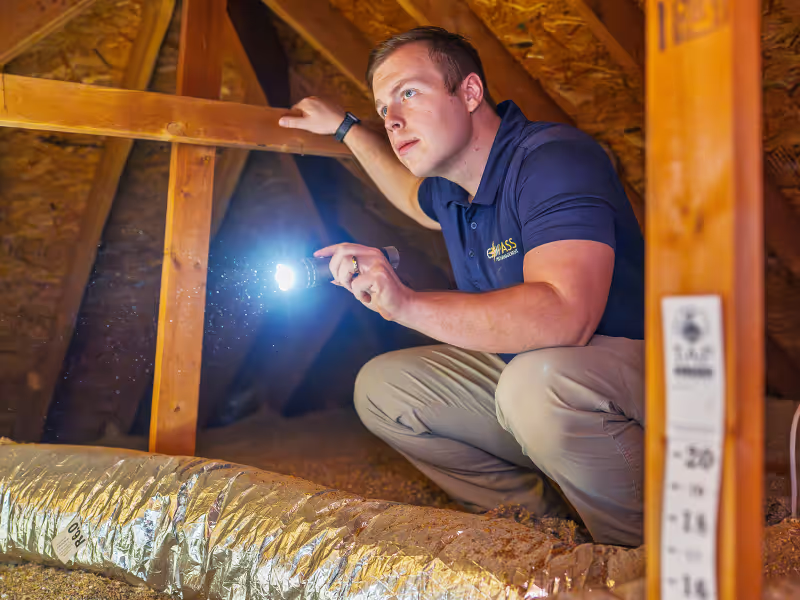
If you are seeing yellow jackets repeatedly disappearing into the ground or the same part of your home, Compass can inspect the activity, identify what is going on, and determine the right way to address the nest.
Why Yellow Jacket Nests Can Be Difficult to Treat
Yellow jackets can sting more than once, and colonies defend the nest when they feel threatened.
That makes an established late-summer colony very different from a single wasp flying around the porch. By this point in the season, hundreds of workers may be associated with the colony, and the visible entrance does not always tell you exactly where the nest is located.
Ground nests can be particularly troublesome when they are beside a walkway, deck, play area, driveway, or part of the lawn that gets regular foot traffic or mowing. Structural nests present another challenge because the yellow jackets may be entering through a small opening while the colony is farther inside a wall or other void.
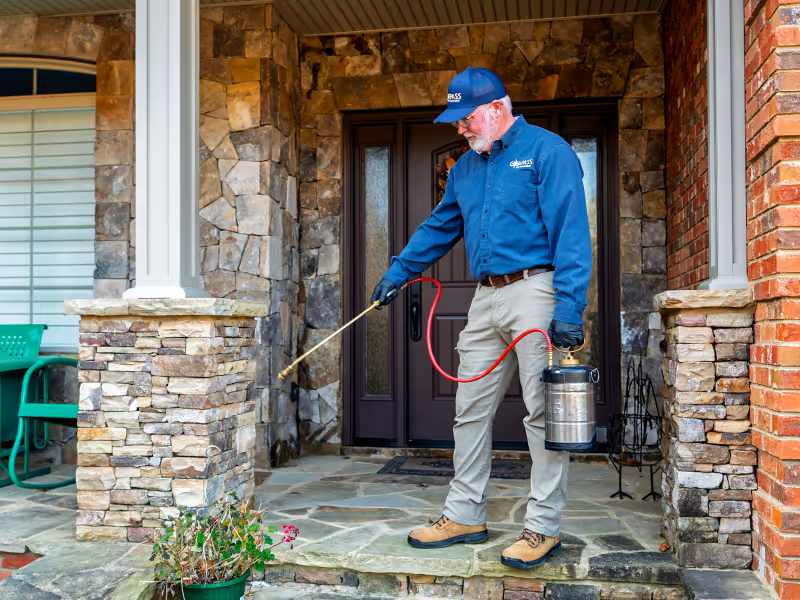
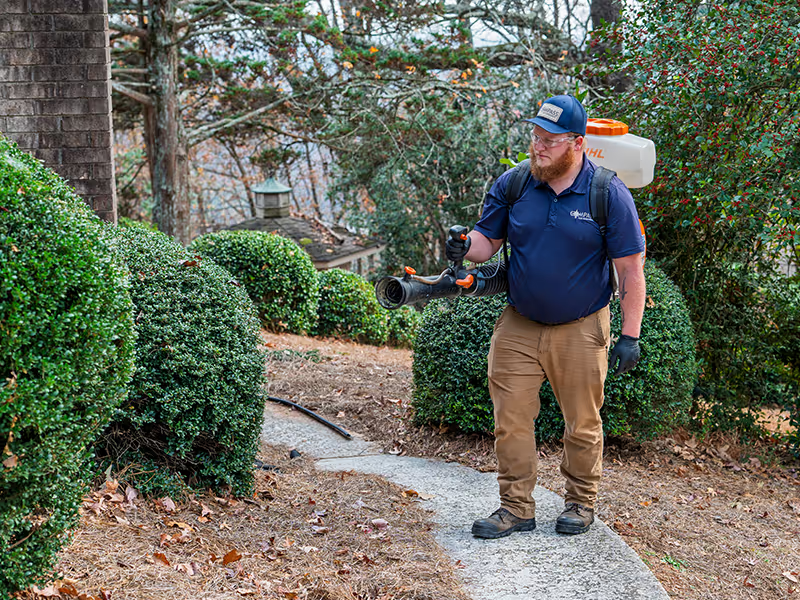
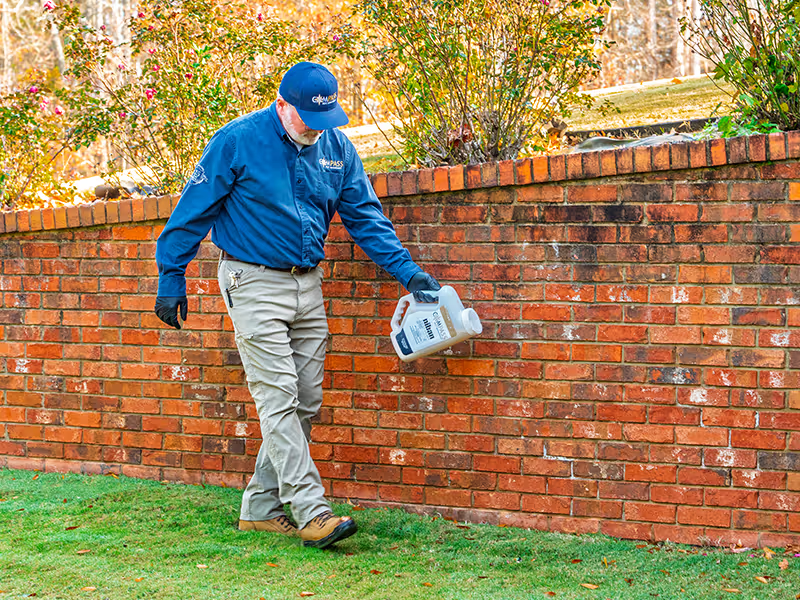
This is where having professional pest control already in place has real value. Stinging insect control up to 20 feet high is included with every Compass home pest control plan.
One Pest Problem Shouldn't Mean Starting Over Every Time
Yellow jackets are seasonal. The workers in this year's colony will eventually die as colder weather arrives, and a newly mated queen will start a new colony the following spring.
But homeowners in Upstate South Carolina and Northeast Georgia do not get much of an off-season from pests.
The same long, warm seasons that support yellow jacket activity also mean that homes in our area face varying pest pressures throughout the year. Ants, cockroaches, spiders, rodents, and other common household pests can also pose problems.
That is why Compass includes stinging insect control as part of our ongoing residential pest protection, rather than treating each covered pest as a separate service.
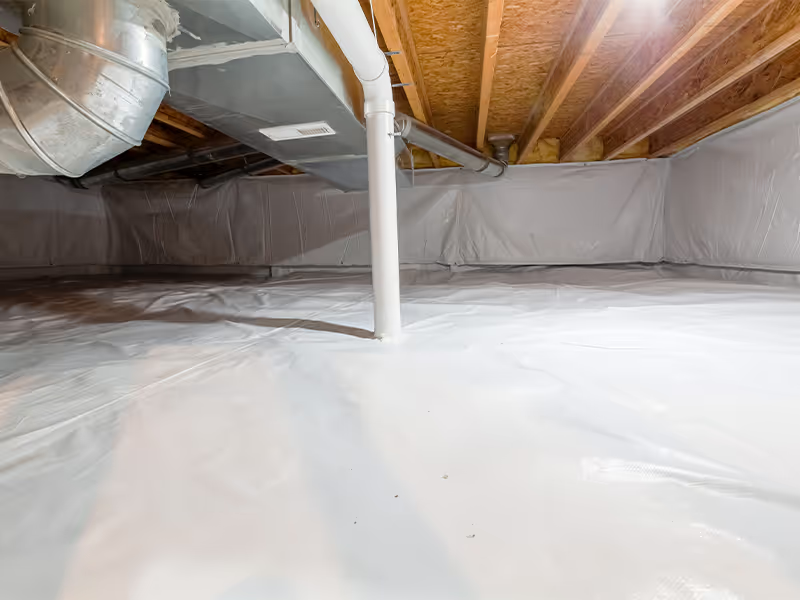
Our home pest control plans include quarterly service, year-round coverage for common household pests, exterior pest treatments, interior treatment as needed or upon request, and a 100% satisfaction guarantee. If a covered pest problem shows up between regular services, we'll come back and address it at no extra cost.
So if a yellow jacket nest prompts you to start a Compass home pest control plan in August or September, you are putting year-round protection in place for other covered pests that may show up.
Yellow Jacket Questions We Hear in Late Summer
Will the nest die off on its own in winter?
Yes. Yellow jacket colonies are seasonal. Workers die as colder weather arrives, while newly mated queens survive the winter in protected locations and start new colonies the following spring.
That does not mean you necessarily want to wait out an active nest. If yellow jackets are nesting beside a doorway, walkway, deck, play area, or another place your family regularly uses, activity can continue well into fall.
Do yellow jackets reuse last year's nest?
Usually not. Each spring, an overwintered queen typically starts a new colony.
However, the same property can develop new nests in later years if it continues to provide suitable nesting sites. Finding a nest one year does not mean the exact nest will return, but it also does not mean you will never have another yellow jacket problem.
What is the difference between a yellow jacket and a baldfaced hornet?
Despite the name, the baldfaced hornet is actually a type of yellow jacket rather than a true hornet.
Baldfaced hornets are black and white and usually build large, enclosed gray paper nests above ground in trees, shrubs, or on structures. Ground-nesting yellow jackets are more likely to disappear into a small opening in the lawn or landscaping.
Both can strongly defend their nests, so activity close to frequently used areas deserves caution.
Why are yellow jackets around my patio if I cannot find a nest?
They may simply be foraging. Yellow jackets travel away from the nest looking for insects, food scraps, sugary drinks, and other food sources.
Seeing one or two around a patio does not necessarily mean the colony is nearby. Repeated two-way traffic to the same opening is a much stronger indication of a nest.
Get Ongoing Protection Beyond Yellow Jacket Season
If yellow jackets are the problem you are dealing with now, Compass can take care of the current issue and keep protecting your home as other pest pressures change throughout the year.
Contact Compass Pest Management to get started with a residential pest control plan.